

Nashik: A Living City with Over 2,000 Years of History
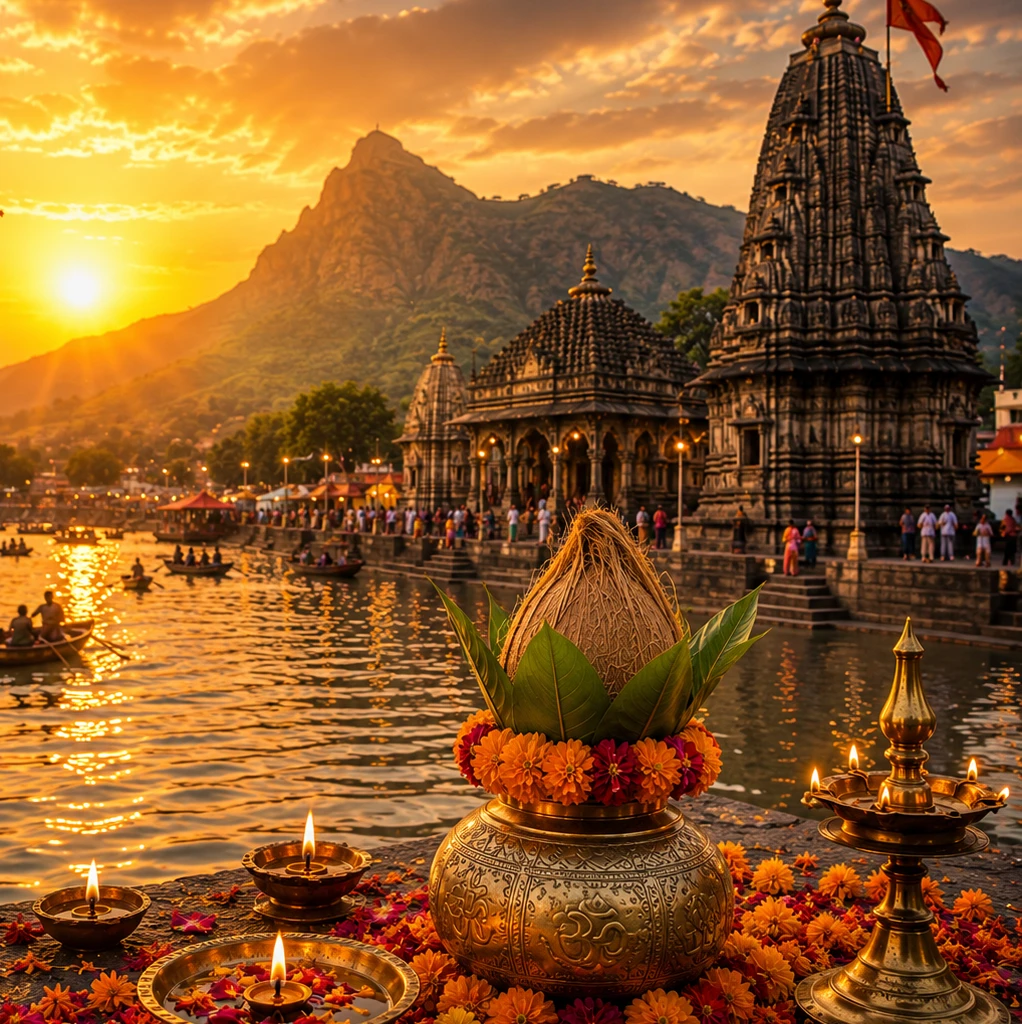
Some cities preserve history in museums. Some protect it through monuments. But Nashik is one of the rare cities where history continues to live in everyday life. Situated on the banks of the sacred Godavari River, Nashik is believed to have a history spanning more than 2,000 years.
From the timeless stories of the Ramayana and the rise of ancient kingdoms to its transformation into a modern industrial and cultural hub, Nashik has witnessed countless chapters of Indian civilization. Every temple, cave, fort, and historic street reflects a legacy that has evolved through centuries without losing its spiritual soul.
A City Rooted in Ancient Legends
The earliest identity of Nashik is deeply connected with the Ramayana. According to Hindu tradition, Lord Rama, Goddess Sita, and Lord Lakshmana spent a significant part of their exile in Panchavati, on the banks of the Godavari River.
Many of the epic's most important events—including the encounter with Surpanakha and the story leading to Sita's abduction—are believed to have taken place here. These sacred associations transformed Nashik into one of India's most revered pilgrimage destinations, a status it continues to hold today.
The Rise of an Ancient Trade Centre
Long before modern highways connected Maharashtra, Nashik flourished as an important trading centre. Its strategic location along historic trade routes linked western India with the Deccan and northern regions. Merchants, travellers, scholars, and pilgrims frequently passed through the city, helping it grow into a vibrant centre of commerce and culture. This exchange of ideas, traditions, and goods enriched Nashik's cultural identity and laid the foundation for its continued development.
The Satavahana Legacy
During the rule of the Satavahana Dynasty (around the 1st century BCE to the 2nd century CE), Nashik became one of the most influential cities in western India. The Satavahanas encouraged trade, promoted Buddhism, and commissioned remarkable rock-cut monuments that still survive today.
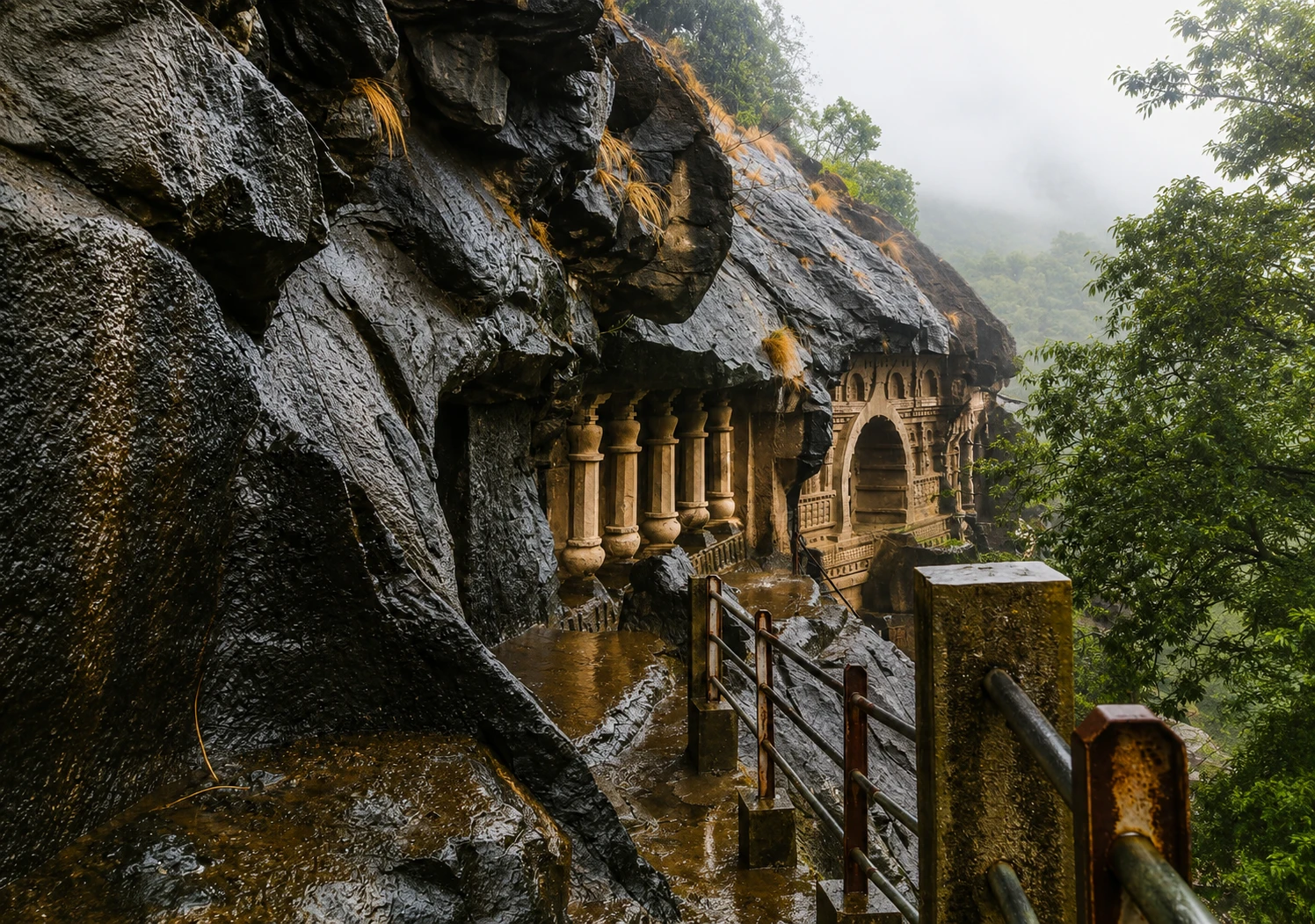
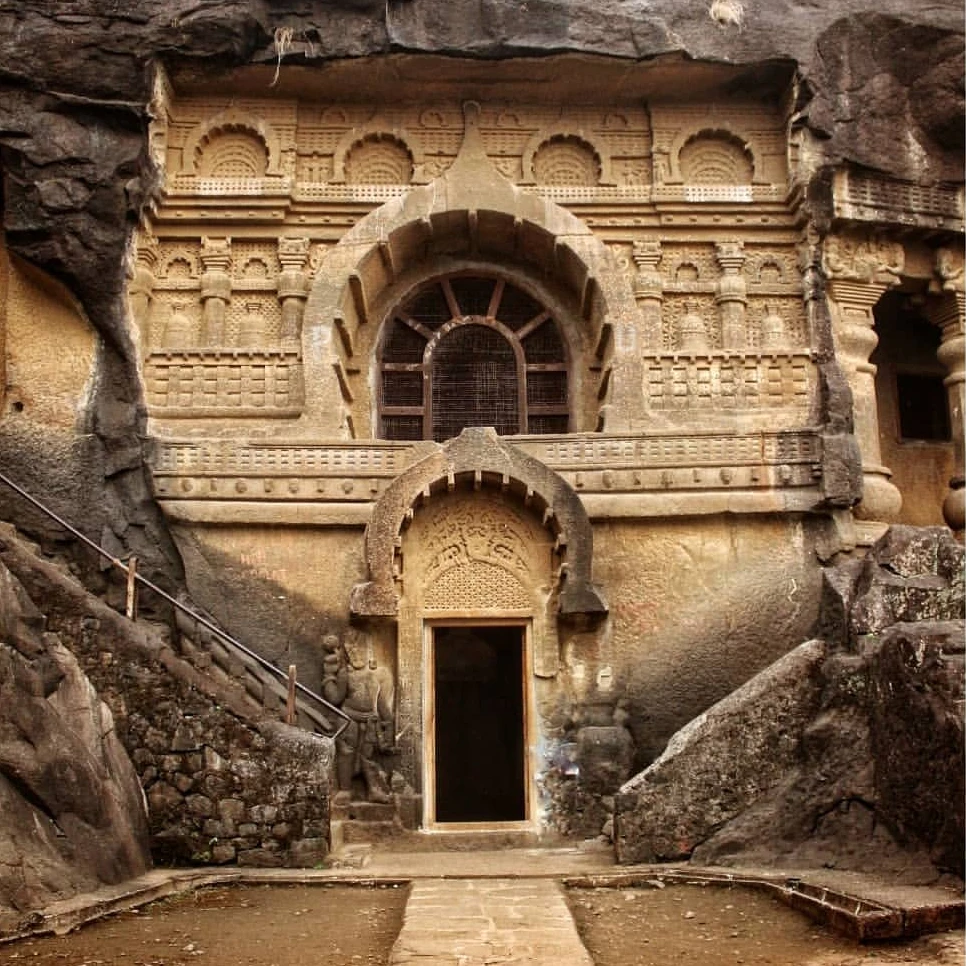
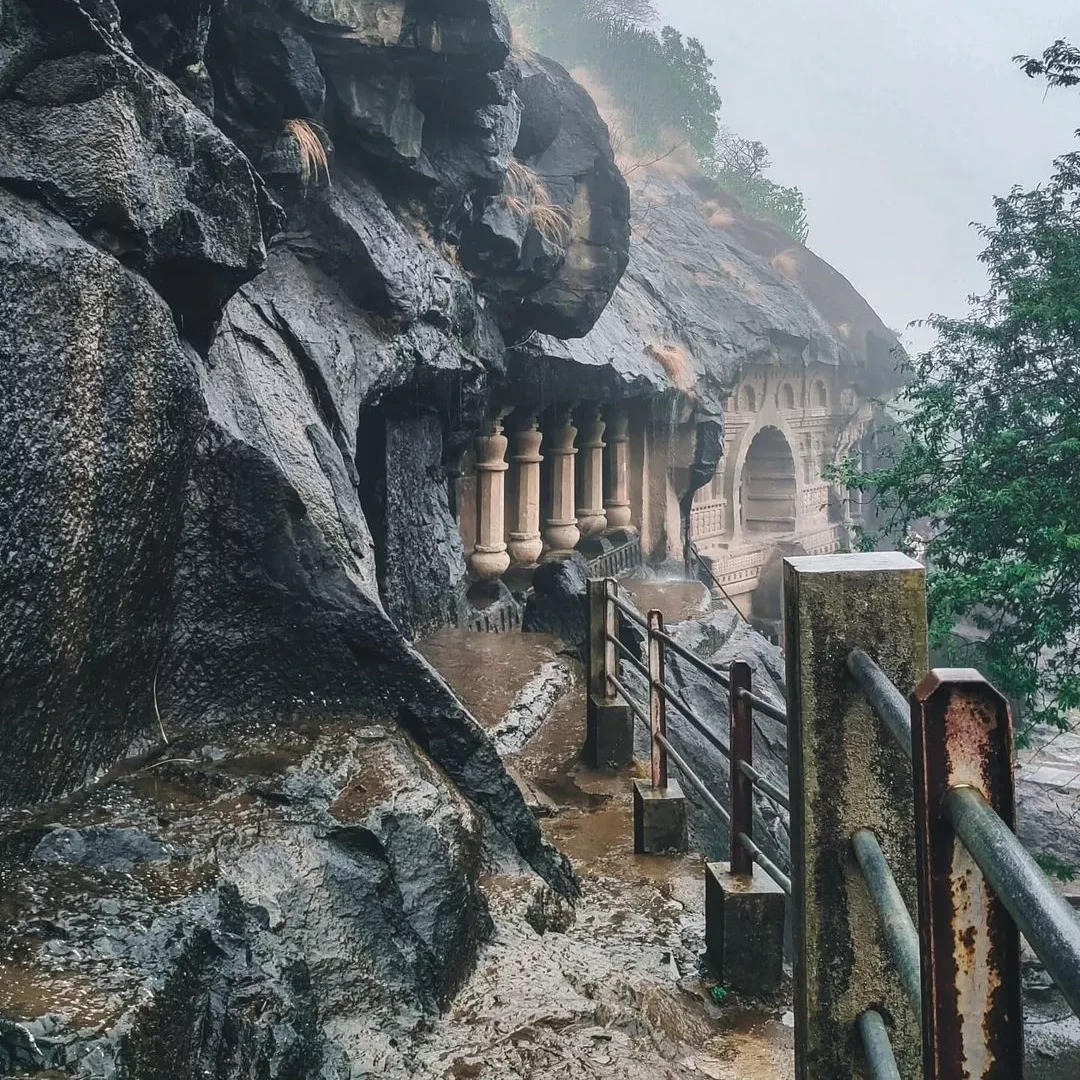
The famous Pandavleni Caves, carved into the hills overlooking Nashik, are among the finest examples of this period. Their inscriptions, meditation halls, and intricate carvings provide valuable insights into the city's ancient history and cultural prosperity. These caves remain one of Nashik's greatest archaeological treasures.
Through the Ages of Great Kingdoms
Over the centuries, Nashik came under the influence of several powerful dynasties, including the Rashtrakutas, Yadavas, Mughals, and the Marathas.
Each period contributed something unique to the city's identity. Magnificent temples were constructed. Hill forts protected strategic trade routes. Religious institutions flourished. Art, architecture, and literature continued to evolve. Rather than replacing earlier traditions, each era added another layer to Nashik's remarkable heritage.
The Spiritual Heart of Maharashtra
While kingdoms changed, Nashik's spiritual importance remained constant. The presence of Trimbakeshwar Jyotirlinga, the sacred Godavari River, Ramkund, and the timeless stories of the Ramayana continued to attract devotees from across India.
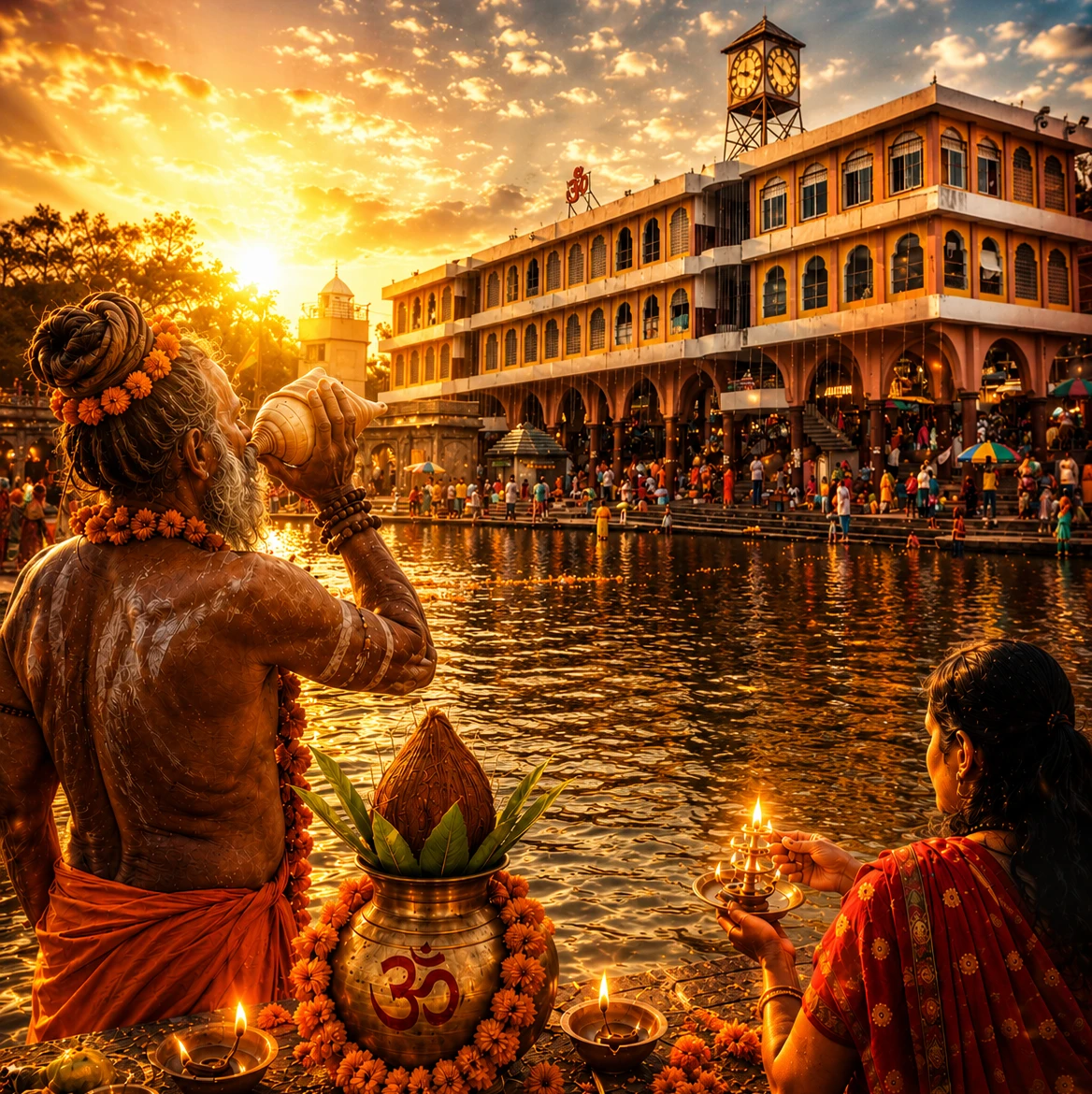
Every twelve years, the city hosts the Simhastha Kumbh Mela, one of the largest spiritual gatherings on Earth. For centuries, saints, scholars, ascetics, and pilgrims have walked the same sacred paths, making Nashik a living centre of faith.
Preserving History While Embracing Progress
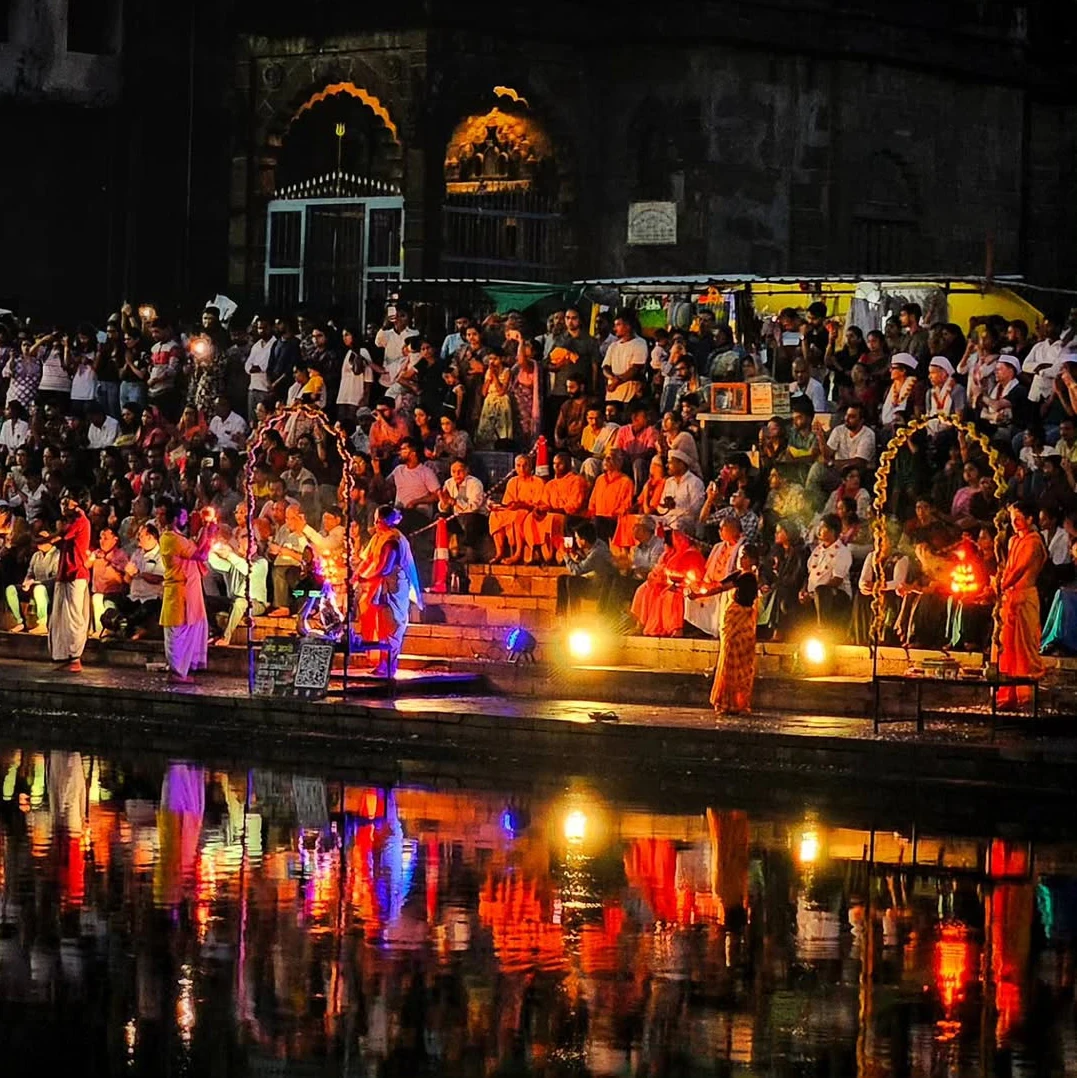
Modern Nashik has grown into one of Maharashtra's leading cities without losing its historical character. Ancient temples continue to welcome devotees. Historic ghats remain active centres of worship. Centuries-old festivals are celebrated with the same devotion.
At the same time, Nashik has become a centre for education, manufacturing, agriculture, healthcare, and tourism. This remarkable balance between preservation and progress makes the city truly unique.
History You Can Experience
Unlike many historic cities where the past survives only in monuments, Nashik offers visitors the chance to experience history firsthand. You can walk through Panchavati, where the Ramayana still lives. Explore the Pandavleni Caves, carved more than two thousand years ago. Visit Trimbakeshwar Jyotirlinga, where ancient traditions continue every day.
Stand on the ghats of the Godavari, where generations of pilgrims have gathered for centuries. Here, history is not something you simply read about—it surrounds you.
Nashik During Kumbh 2027
As Simhastha Kumbh 2027 welcomes millions of visitors from across the world, Nashik will once again demonstrate how a city with more than two millennia of history continues to remain vibrant and relevant.
Pilgrims will witness ancient rituals. Travellers will explore remarkable heritage sites. Historians will discover archaeological treasures. And every visitor will become part of a tradition that has endured through countless generations.
A City That Carries the Past into the Future
More than 2,000 years have passed since Nashik first emerged as an important centre of faith and civilization. Empires have risen and fallen. Trade routes have changed. Generations have come and gone. Yet Nashik continues to preserve its identity with remarkable grace.
Today, it stands not only as one of India's oldest living cities but also as one of its most dynamic. Nashik is more than a destination with a rich past. It is a living chronicle of Indian civilization—where mythology, history, culture, spirituality, and modern progress continue to flourish together, inspiring every generation that walks its sacred land.