


Nashik Kumbh 2027: A Timeless Celebration of Faith, Spirituality & India's Living Heritage
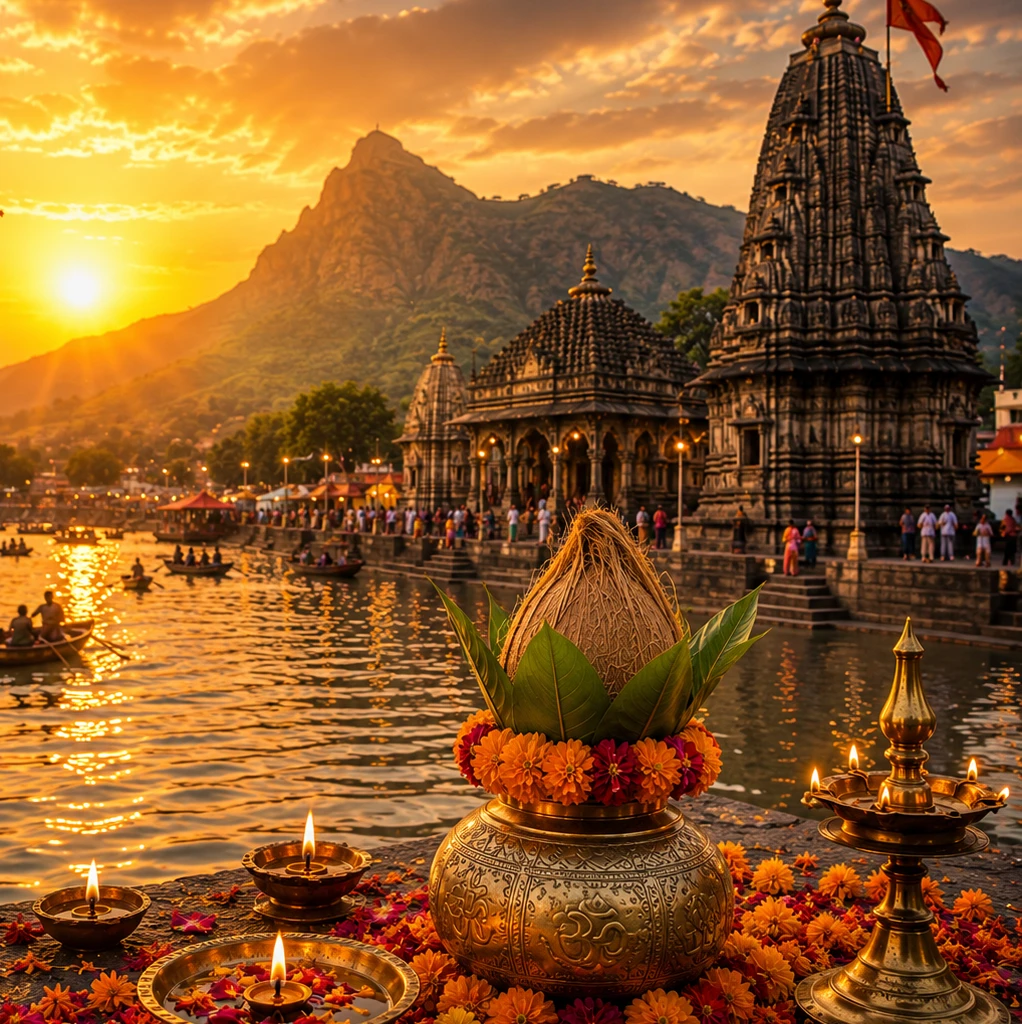
Every twelve years, something extraordinary unfolds on the sacred banks of the Godavari River. Long before sunrise, the sound of temple bells echoes across Nashik, the fragrance of incense fills the air, and thousands of devotees gather in silent anticipation. As dawn breaks, saints, pilgrims, ascetics, and spiritual seekers step into the holy waters with unwavering faith, becoming part of a tradition that has endured for centuries.
This is Nashik Kumbh—one of the world's largest and most revered spiritual gatherings. More than a religious festival, it is a living expression of India's timeless heritage, where mythology, faith, culture, and humanity come together in a celebration unlike any other. Scheduled to return in 2027, the Simhastha Kumbh will once again transform Nashik and Trimbakeshwar into the spiritual heart of India, welcoming millions of visitors from across the globe.
A Legacy Rooted in Ancient Tradition
The origins of the Kumbh Mela trace back to one of Hinduism's most celebrated legends—the Samudra Manthan, or the Churning of the Ocean of Milk. According to ancient scriptures, the Devas (gods) and Asuras (demons) joined forces to obtain Amrit, the nectar of immortality. When Lord Dhanvantari emerged carrying the sacred pot of nectar, a celestial battle ensued. During this divine pursuit, drops of the Amrit are believed to have fallen at four sacred locations—Prayagraj, Haridwar, Ujjain, and Nashik.
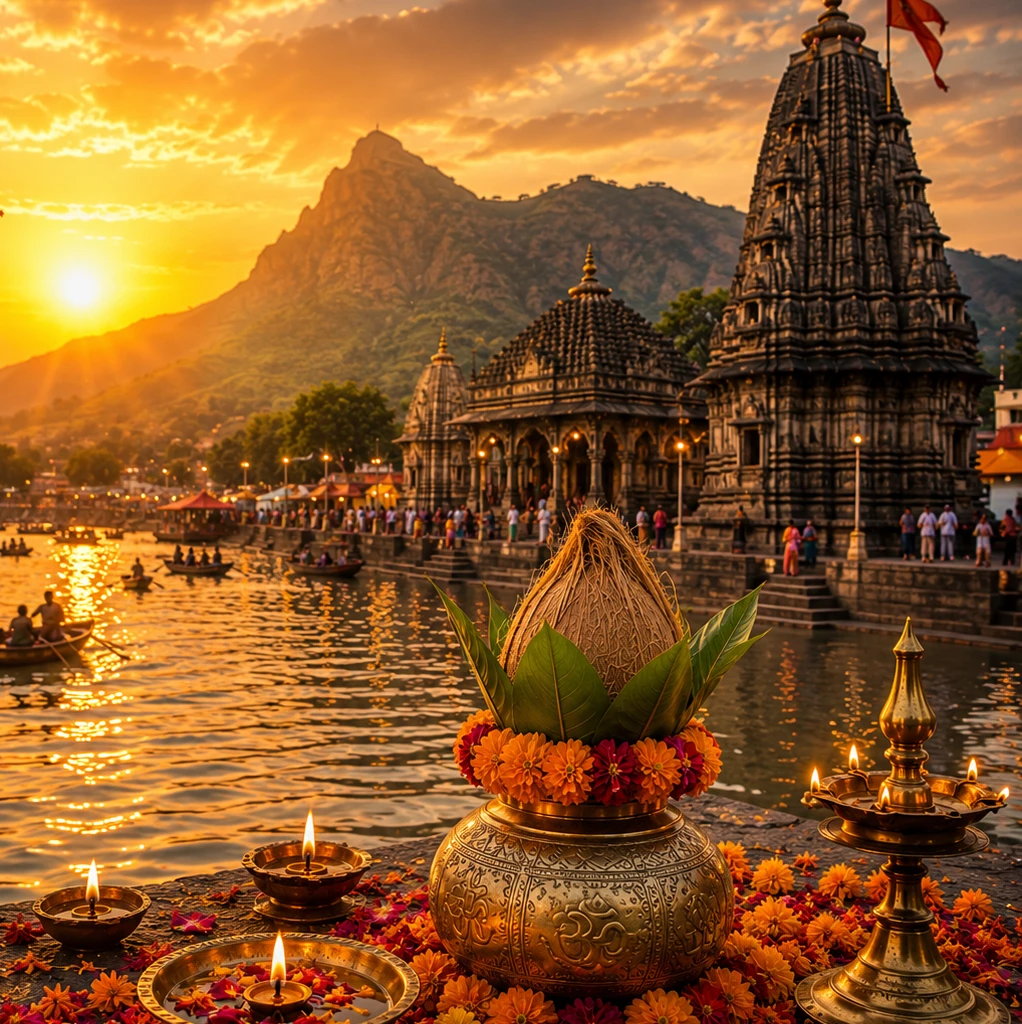
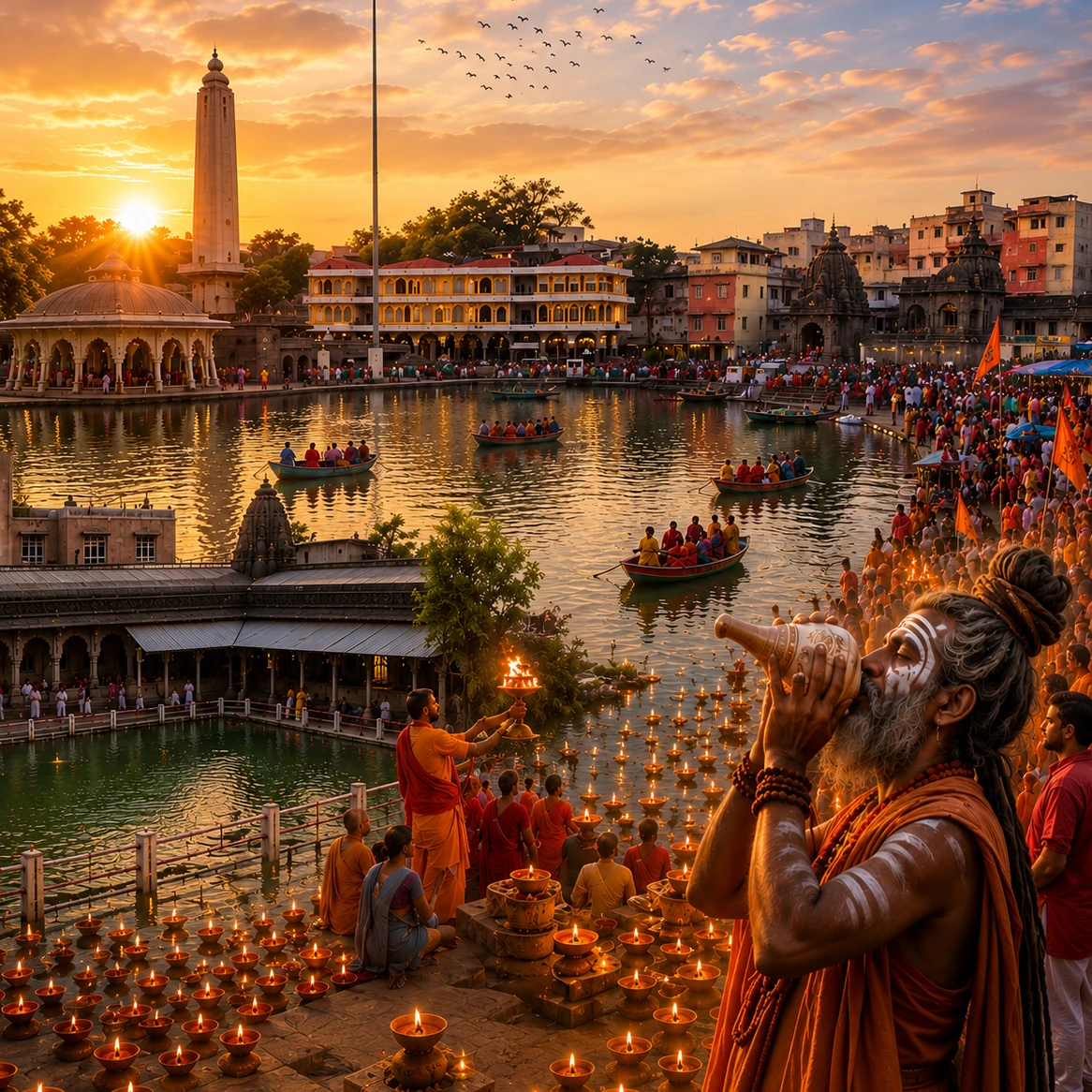
These four cities became the eternal hosts of the Kumbh Mela, each preserving its own unique traditions while remaining connected by the same spiritual legacy. For thousands of years, devotees have journeyed to these sacred places seeking purification, blessings, and a deeper connection with the divine.
Why Nashik Holds a Unique Place Among the Four Kumbh Cities
While every Kumbh destination has its own significance, Nashik offers a spiritual experience unlike any other. Flowing through the city is the sacred Godavari River, lovingly known as the Dakshin Ganga or the Ganges of the South. Just a short distance away lies Trimbakeshwar, one of the twelve revered Jyotirlingas of Lord Shiva and the sacred source of the Godavari.
Nashik is also deeply connected with the Ramayana. The forests of Panchavati, the revered Sita Gufa, Kapaleshwar Temple, and numerous other sacred sites preserve the memories of Lord Rama's exile, making the city an important destination for pilgrims throughout the year. This remarkable blend of mythology, pilgrimage, history, and living traditions gives Nashik a spiritual identity found nowhere else in India.
More Than a Festival—A Living Civilization
For many, the Kumbh Mela is known for the sacred ritual of taking a holy dip in the river. Yet, anyone who experiences the festival soon realizes that it is far more than a ritual. The Kumbh is a living university of Indian spirituality.
Ancient monasteries welcome seekers from around the world. Saints and scholars share timeless wisdom through spiritual discourses. Devotional music resonates through the streets, traditional rituals continue uninterrupted, and centuries-old customs are practiced with the same devotion as they were generations ago. It is a celebration where spirituality meets culture, where faith inspires service, and where millions of strangers become part of one shared spiritual journey.
The Spectacle of Faith
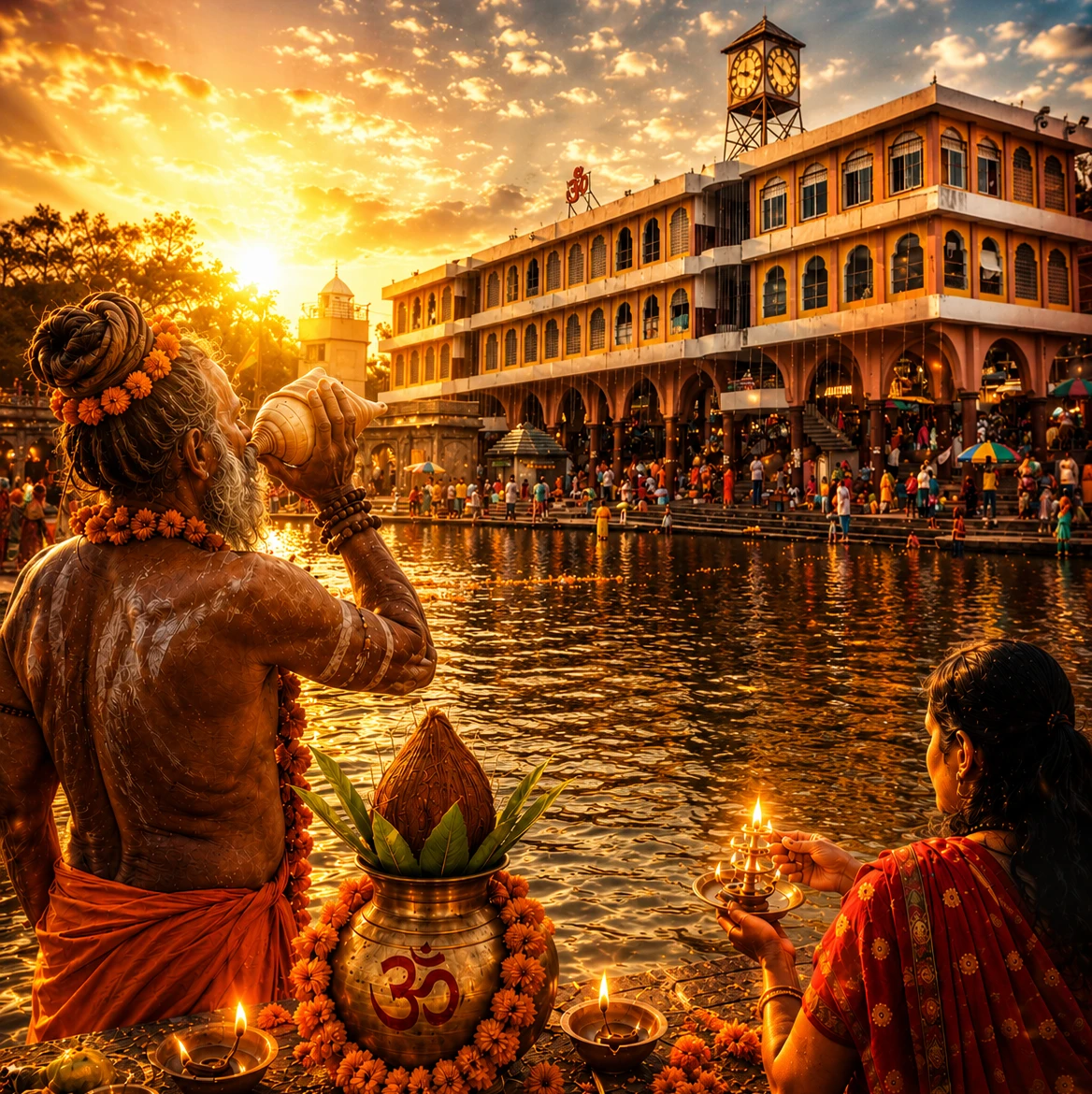
One of the most unforgettable moments of the Nashik Kumbh is witnessing the grand processions of the Akharas and the arrival of the revered Naga Sadhus. Covered in sacred ash and devoted to a life of renunciation, these ascetics represent one of the oldest spiritual traditions in the world.
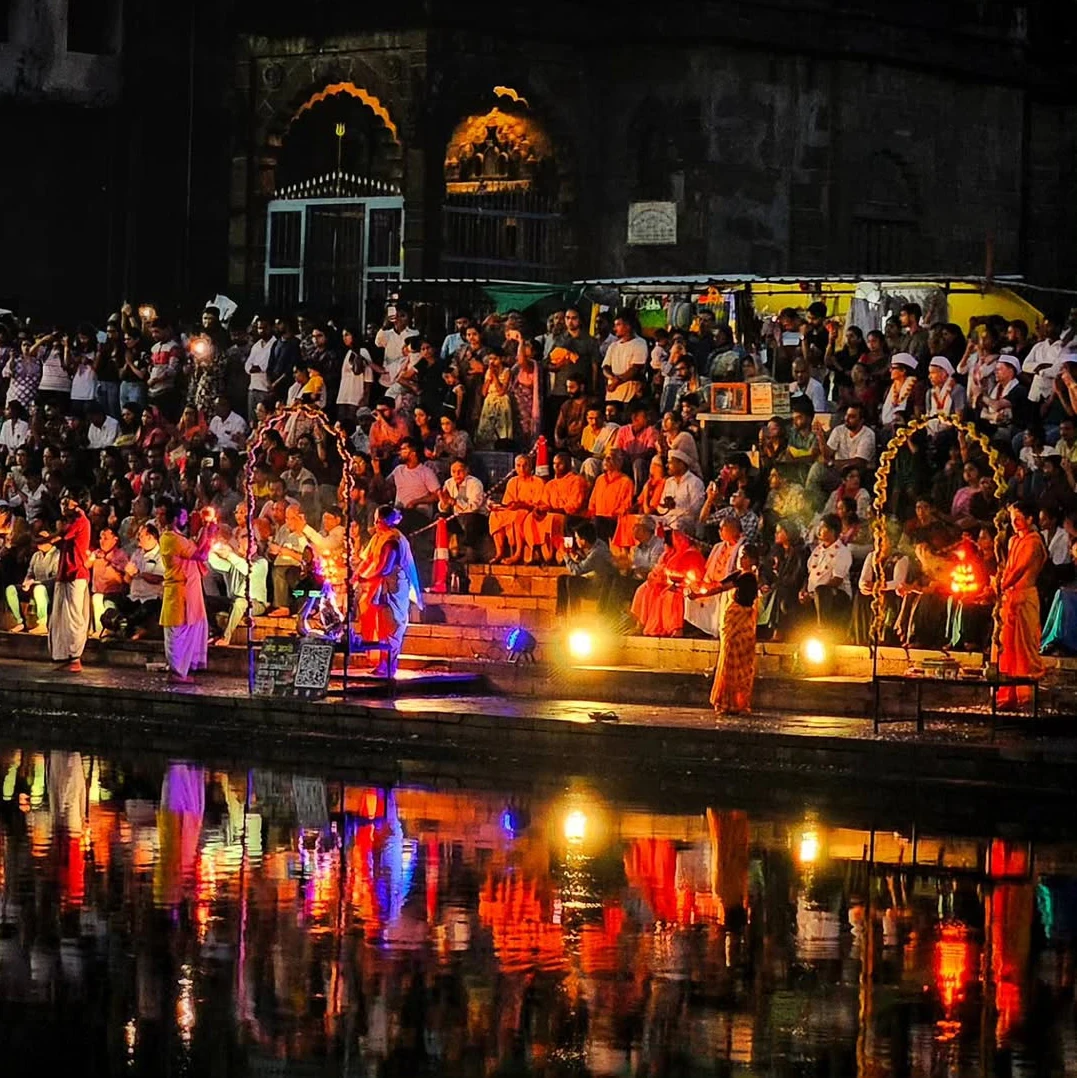
Their ceremonial processions, accompanied by chants, conch shells, traditional music, and religious rituals, create an atmosphere that is both powerful and deeply moving. Along the ghats, devotees gather to witness these sacred traditions that have been preserved for centuries.
Beyond the rituals, every corner of Nashik reflects the spirit of the festival—from illuminated temples and vibrant cultural performances to bustling markets filled with local crafts, devotional items, and traditional cuisine.
Preparing for Simhastha Kumbh 2027
As Nashik prepares to host Simhastha Kumbh 2027, extensive efforts are underway to welcome millions of pilgrims and visitors. Roads are being upgraded, public amenities are being enhanced, transportation networks are being strengthened, and modern facilities are being developed to ensure a safe and comfortable pilgrimage.
Despite these advancements, the essence of the Kumbh remains unchanged. Its greatest strength lies not in its scale but in the enduring spirit of devotion that unites people beyond language, region, caste, or nationality. It continues to remind the world that faith has the power to bring humanity together.
An Experience Beyond Words
Some journeys are remembered for the places they take us. Others are remembered for the way they transform us. A visit to Nashik Kumbh is not simply about attending one of the world's largest religious gatherings. It is about experiencing centuries of living tradition, witnessing extraordinary acts of faith, and becoming part of a spiritual legacy that continues to inspire generations. Standing on the banks of the Godavari as the first light of dawn reflects upon the sacred waters, one begins to understand why millions return to Nashik every twelve years. It is not merely to witness history—it is to become a part of it.
As the world prepares for Nashik Kumbh 2027, the sacred city once again extends an invitation to every pilgrim, traveler, seeker, and explorer. Come not only to see the Kumbh. Come to experience a tradition that has shaped India's spiritual soul for thousands of years.