


Clean and Green Kumbh 2027: A Shared Responsibility for a Sacred Future
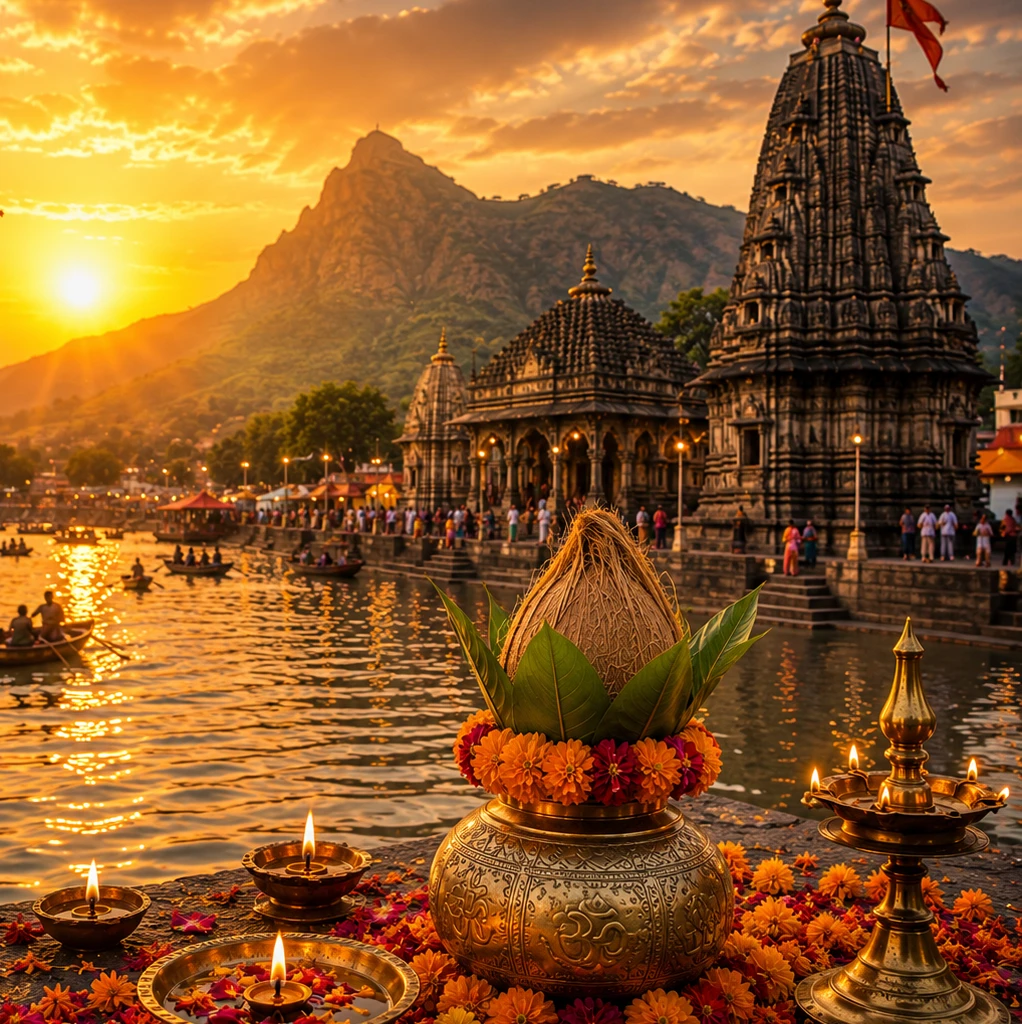
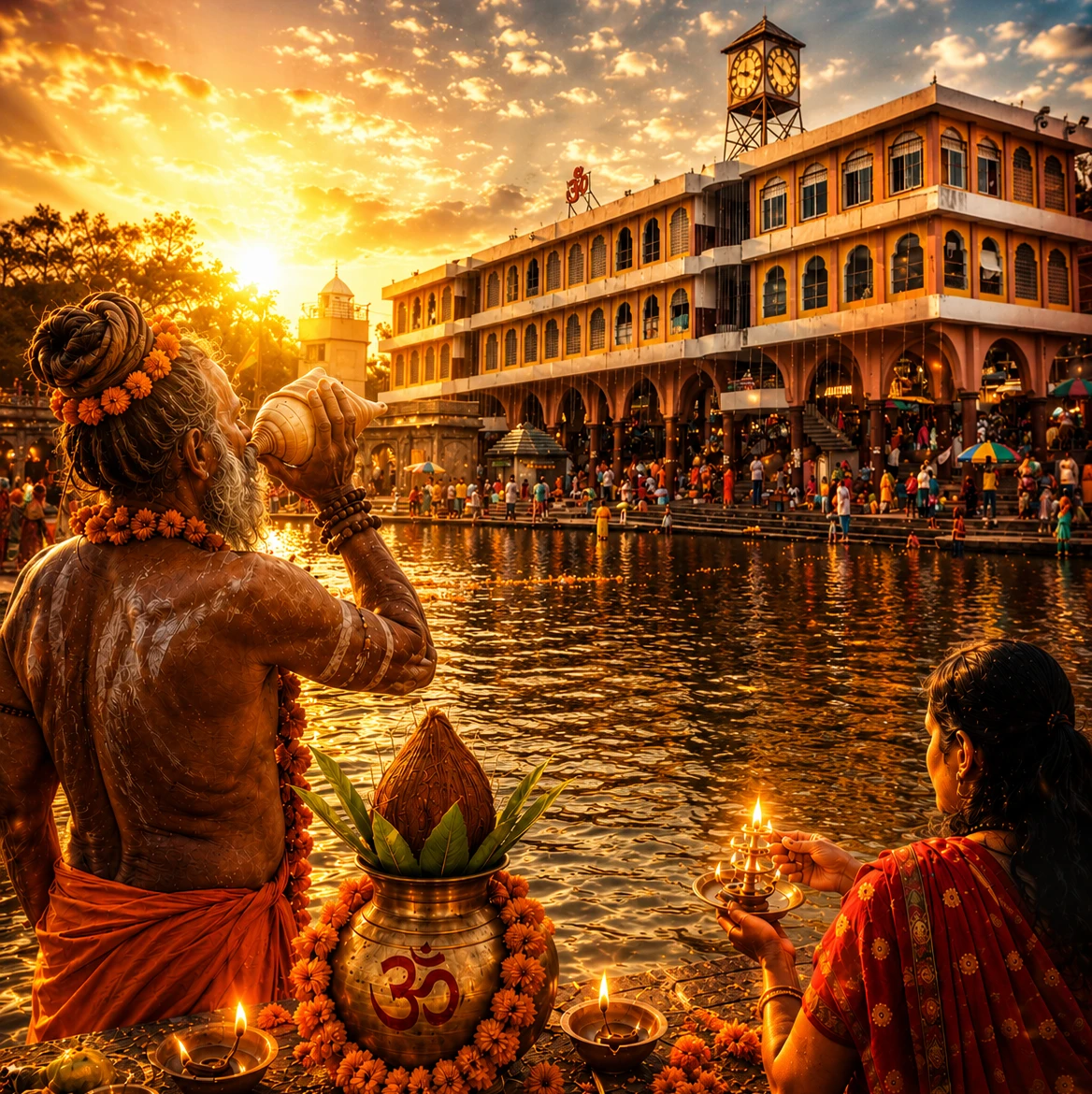
The Kumbh Mela has always been a celebration of faith, devotion, and spiritual awakening. Every twelve years, millions of pilgrims gather on the sacred banks of holy rivers, seeking blessings and inner peace. Yet, alongside this profound spiritual journey comes an equally important responsibility—the responsibility to protect the very environment that makes this sacred experience possible.
As Nashik prepares for Simhastha Kumbh 2027, the vision extends far beyond organizing one of the world's largest religious gatherings. It is about creating a Clean, Green, and Sustainable Kumbh that respects nature as deeply as it respects tradition. After all, preserving the sanctity of the Godavari River and the heritage of Nashik is not only the responsibility of authorities—it is a shared commitment of every pilgrim, visitor, volunteer, and citizen.
Where Spirituality Meets Sustainability
In Indian philosophy, nature has always been revered as sacred. Rivers are worshipped as mothers, trees are symbols of life, and the Earth itself is regarded as a divine source of nourishment. The Kumbh Mela reflects this deep connection between spirituality and nature.
Every prayer offered on the banks of the Godavari reminds us that faith is inseparable from responsibility. A truly meaningful pilgrimage is not only about seeking blessings but also about ensuring that future generations inherit the same sacred landscapes that inspire millions today.
Protecting the Sacred Godavari
At the heart of the Nashik Kumbh flows the Godavari River, lovingly known as the Dakshin Ganga. For centuries, it has been the spiritual lifeline of millions of devotees. During the Kumbh, the river becomes the centre of countless rituals and sacred baths. Preserving its purity is therefore one of the highest priorities.
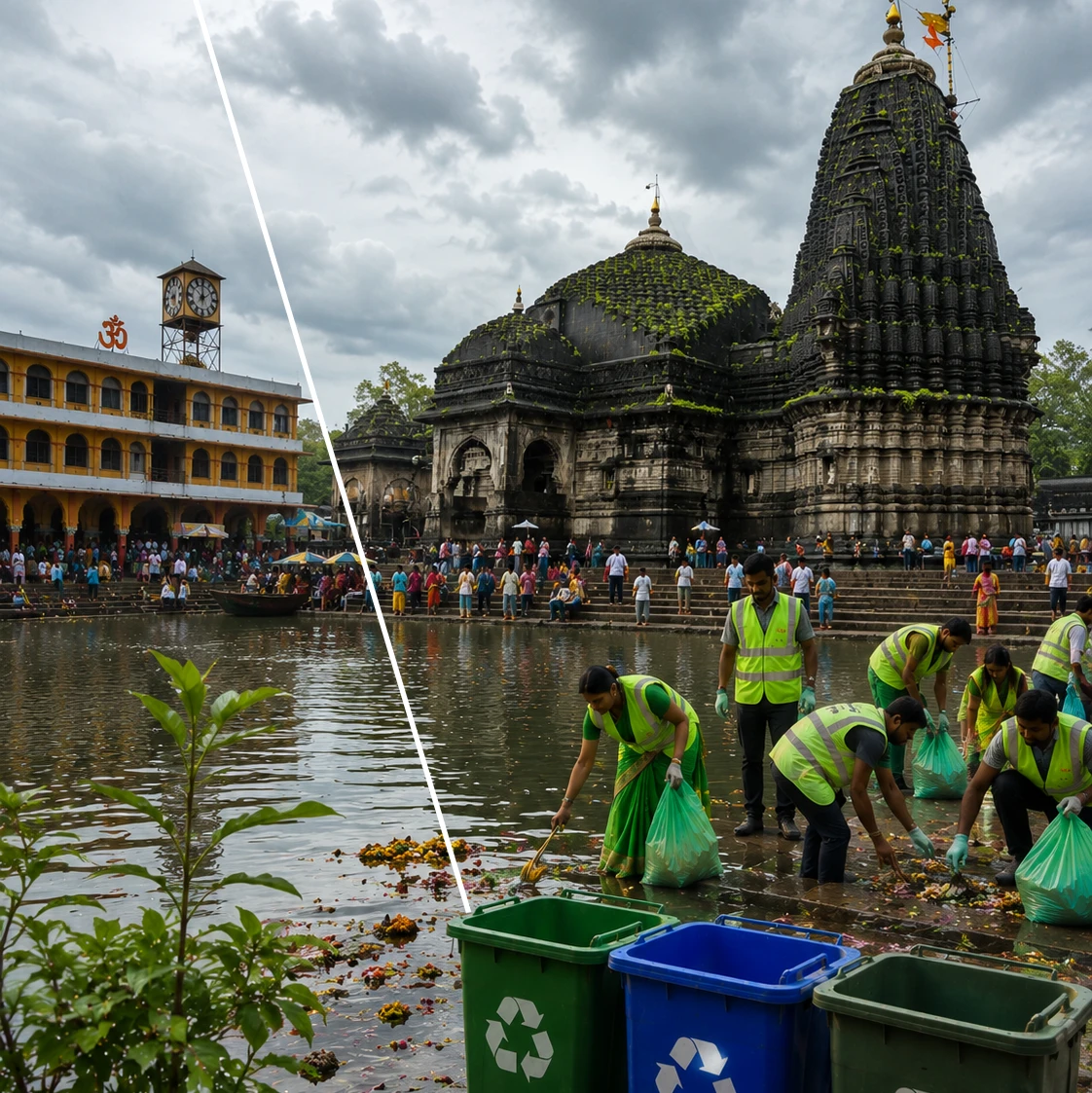
Efforts are focused on improving river cleanliness, strengthening waste management systems, preventing pollution, and promoting responsible practices throughout the festival. These initiatives not only protect the environment but also preserve the spiritual significance of one of India's most sacred rivers.
Building a Cleaner Pilgrimage Experience
Hosting millions of visitors requires thoughtful planning that balances tradition with modern sustainability. Dedicated sanitation facilities, efficient waste collection, improved public amenities, eco-friendly infrastructure, and awareness campaigns all contribute to creating a cleaner environment for pilgrims.
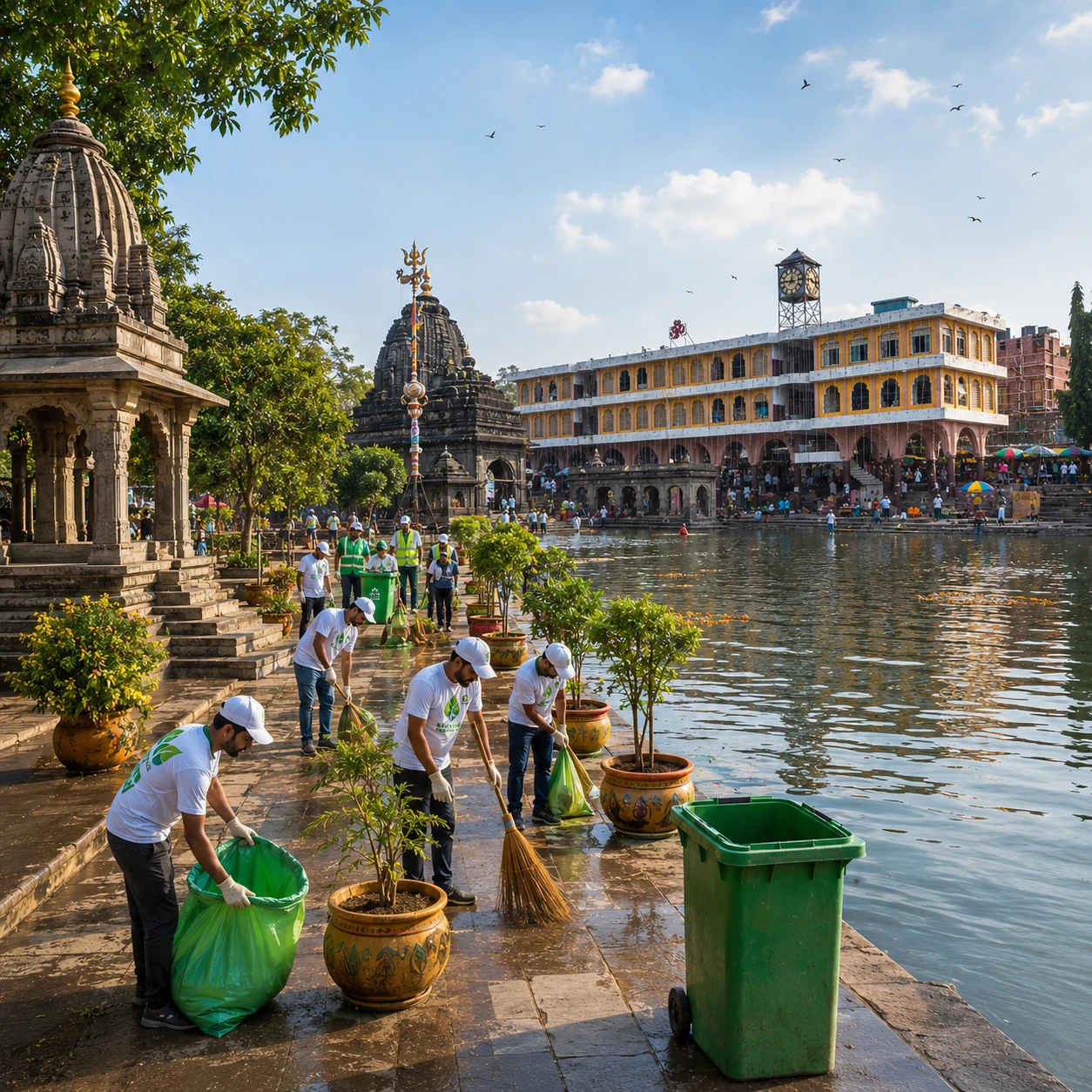
Volunteers and local communities play an equally important role by encouraging responsible behaviour and helping visitors understand how small individual actions can collectively make a significant difference. A clean Kumbh is created not through infrastructure alone, but through the participation of everyone who becomes part of it.
Every Pilgrim Can Make a Difference
One of the most inspiring aspects of the Kumbh is the collective spirit of its people. Simple choices—using designated waste bins, avoiding single-use plastics, respecting public spaces, conserving water, and keeping the riverbanks clean—can have a lasting impact on the festival and the city.
When millions of individuals act responsibly, their combined efforts become a powerful force for environmental protection. Every pilgrim has the opportunity to leave behind not waste, but a legacy of respect for nature.
Preserving Heritage for Future Generations
The Kumbh Mela is more than an event; it is a living tradition that has survived for centuries because each generation has chosen to protect and preserve it. The same responsibility now extends to the natural environment that surrounds this sacred celebration.
By embracing sustainable practices today, we ensure that future generations will continue to experience the beauty of the Godavari, the serenity of Trimbakeshwar, and the spiritual atmosphere of Nashik in its purest form. Conservation is not separate from devotion—it is one of its highest expressions.
A Shared Vision for Simhastha Kumbh 2027
As Nashik Kumbh 2027 approaches, the vision of a Clean and Green Kumbh belongs to everyone. Government agencies, local communities, volunteers, spiritual organizations, environmental groups, and millions of devotees each have a role to play in creating a festival that is both spiritually uplifting and environmentally responsible.
Together, they can demonstrate that one of the world's largest gatherings can also become a model of sustainability and civic responsibility.
A Sacred Journey, A Lasting Commitment
Every pilgrimage leaves an imprint—not only on the hearts of those who undertake it but also on the places that welcome them. As devotees gather once again on the sacred banks of the Godavari during Simhastha Kumbh 2027, they will have the opportunity to honour an ancient tradition while embracing a modern responsibility.
A clean river reflects pure devotion. A green city reflects collective responsibility. Together, they ensure that the spirit of the Kumbh continues to inspire not only this generation but many generations to come. Because the greatest offering we can make to a sacred place is to leave it more beautiful than we found it.