

Why Is the Godavari Known as the "Dakshin Ganga"? History, Faith & Spiritual Significance
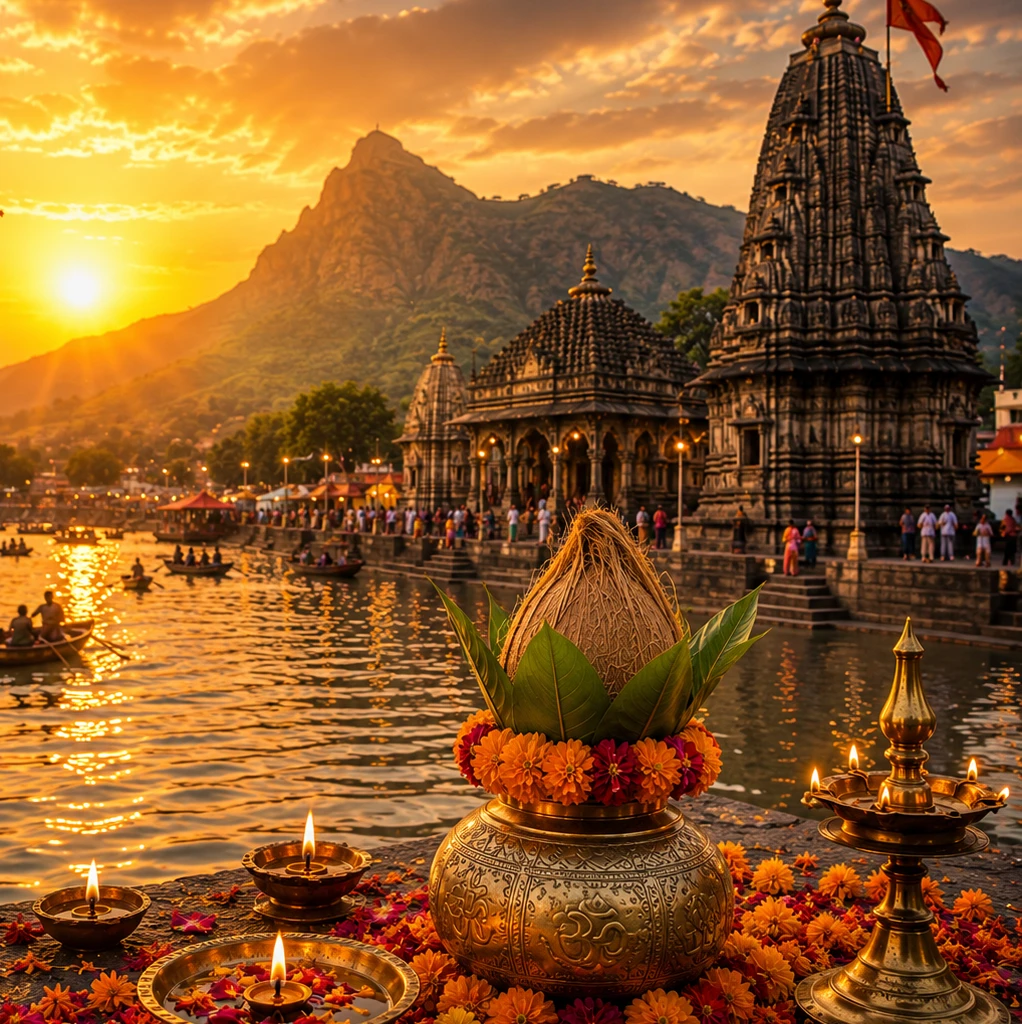
India is blessed with many sacred rivers, each carrying its own story, tradition, and spiritual importance. Yet among them, one river holds a unique place in the hearts of millions living across western and southern India—the Godavari. Affectionately known as the Dakshin Ganga, or the Ganges of the South, the Godavari is far more than a river flowing through landscapes. It is a symbol of devotion, a source of civilization, and the spiritual heartbeat of Nashik.
From its sacred origin at Trimbakeshwar to its journey across the Deccan Plateau, the Godavari has nurtured faith, culture, agriculture, and countless generations. During Nashik Kumbh 2027, this sacred river once again becomes the centre of one of the world's greatest spiritual gatherings, reminding every visitor why it has been revered for centuries.
A Sacred Beginning at Trimbakeshwar
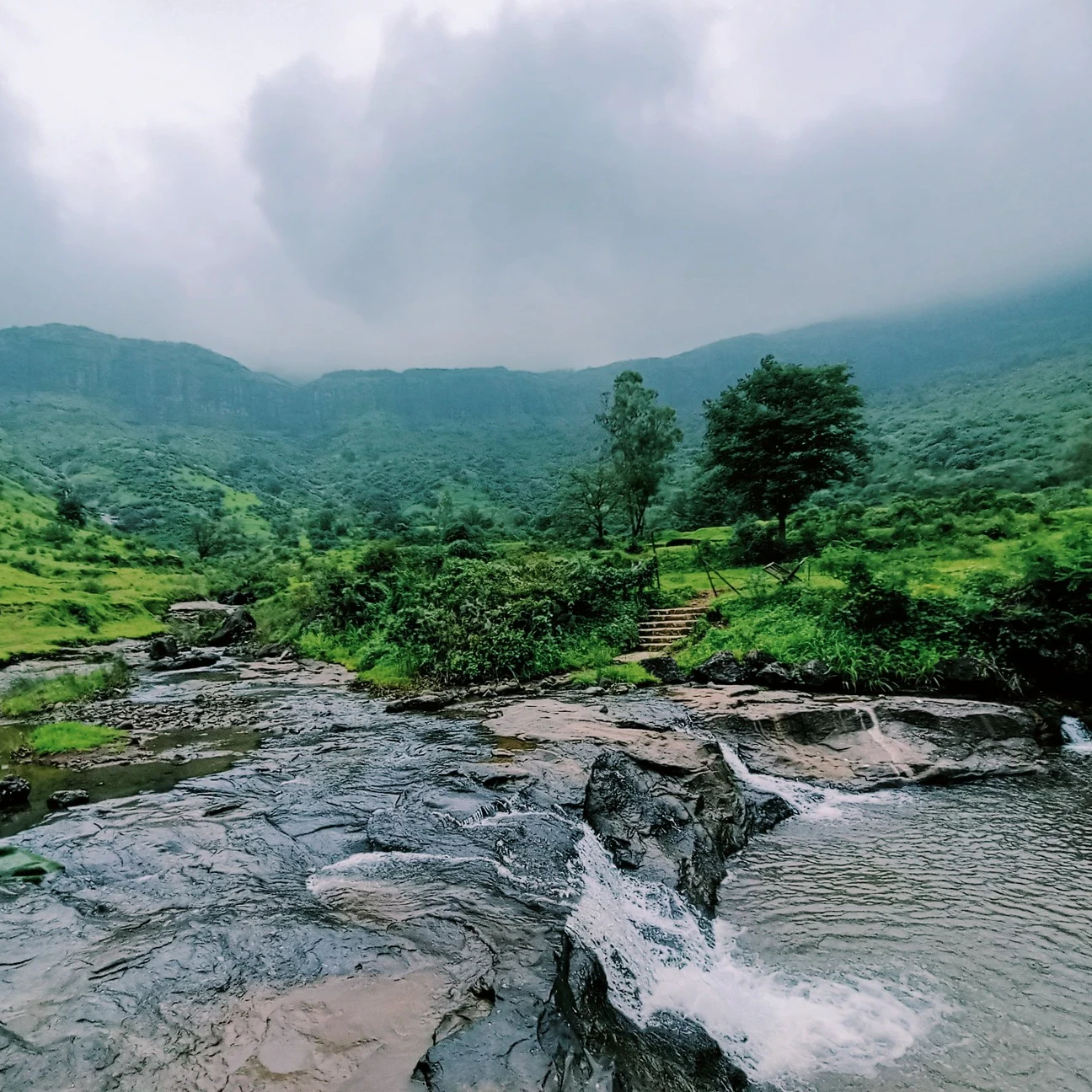
Every great river has a source, but the Godavari begins with a story of devotion. According to Hindu tradition, Sage Gautama performed intense penance on the Brahmagiri Hills near Trimbakeshwar. Pleased by his unwavering faith, Lord Shiva blessed the land by bringing the sacred waters of the Ganga to this region. From that divine blessing emerged the Godavari, flowing from the holy hills before beginning its long journey across India.
Because of this sacred origin, the Godavari is regarded not merely as a river but as a divine presence that carries the blessings of Lord Shiva and Mother Ganga herself. Every pilgrimage to Trimbakeshwar and Nashik begins with this timeless story.
Why Is It Called the Dakshin Ganga?
The River Ganga has long been regarded as the holiest river in India. However, for devotees living in Maharashtra, Telangana, Andhra Pradesh, and several other regions, the Godavari holds an equally revered place. Its spiritual importance, sacred origin, and role in countless religious traditions earned it the name Dakshin Ganga, meaning "The Ganges of the South."
The title reflects respect rather than comparison. Just as the Ganga symbolizes purity and spiritual liberation in northern India, the Godavari offers the same faith and devotion to millions in the southern and western parts of the country. For countless pilgrims, bathing in the Godavari is considered an act of purification and gratitude.
The River That Shaped Nashik
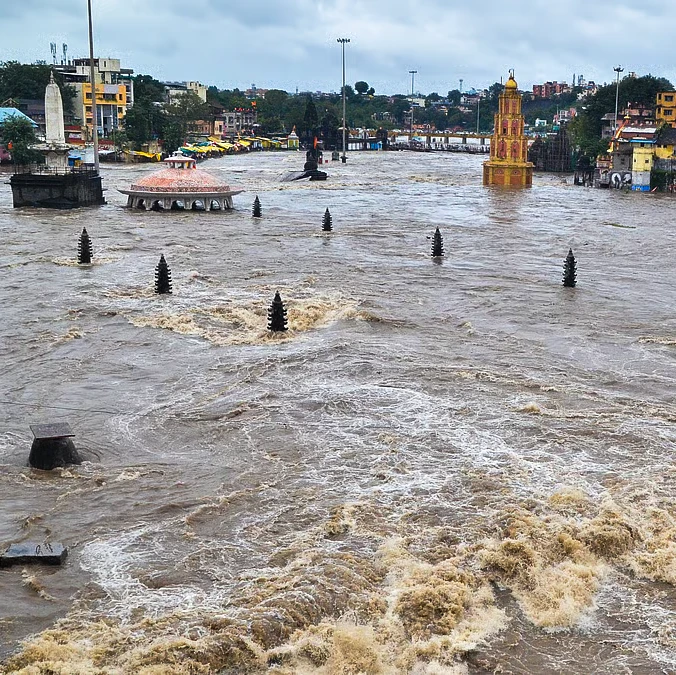
It is impossible to imagine Nashik without the Godavari. The city's temples, ghats, festivals, and spiritual traditions have all grown around its sacred waters. Historic places such as Ramkund, Panchavati, and numerous ancient temples continue to draw pilgrims because of their close connection with the river.
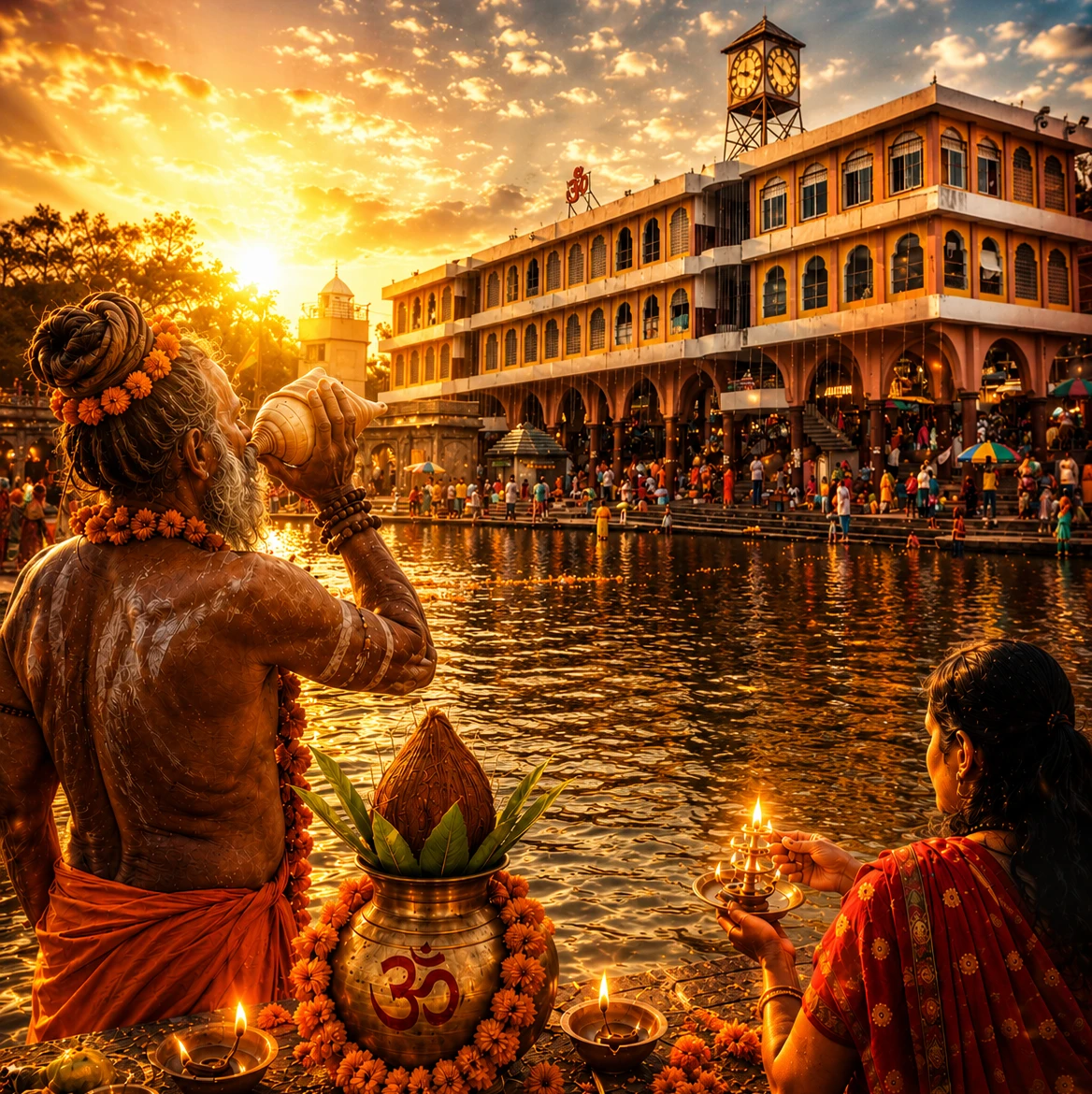
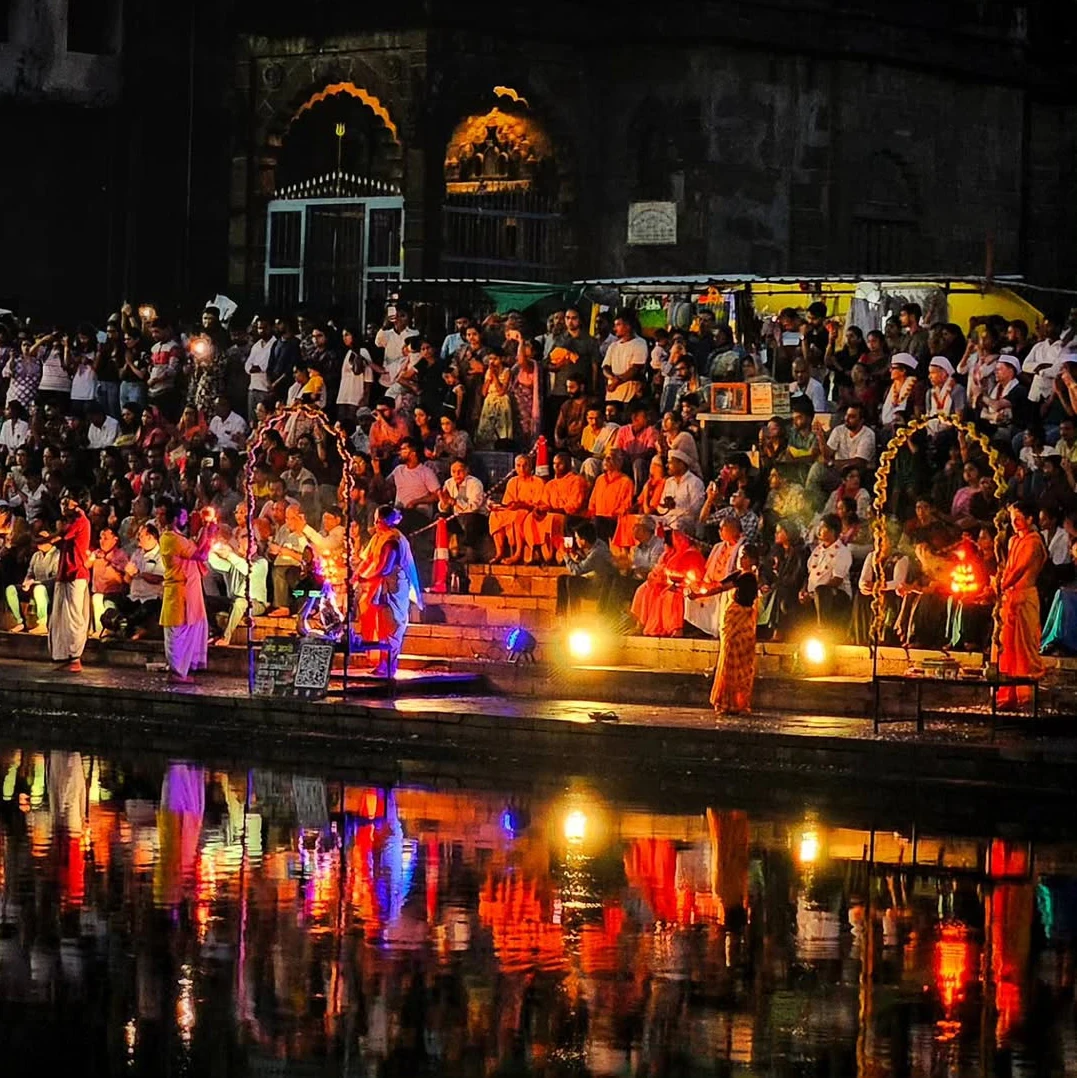
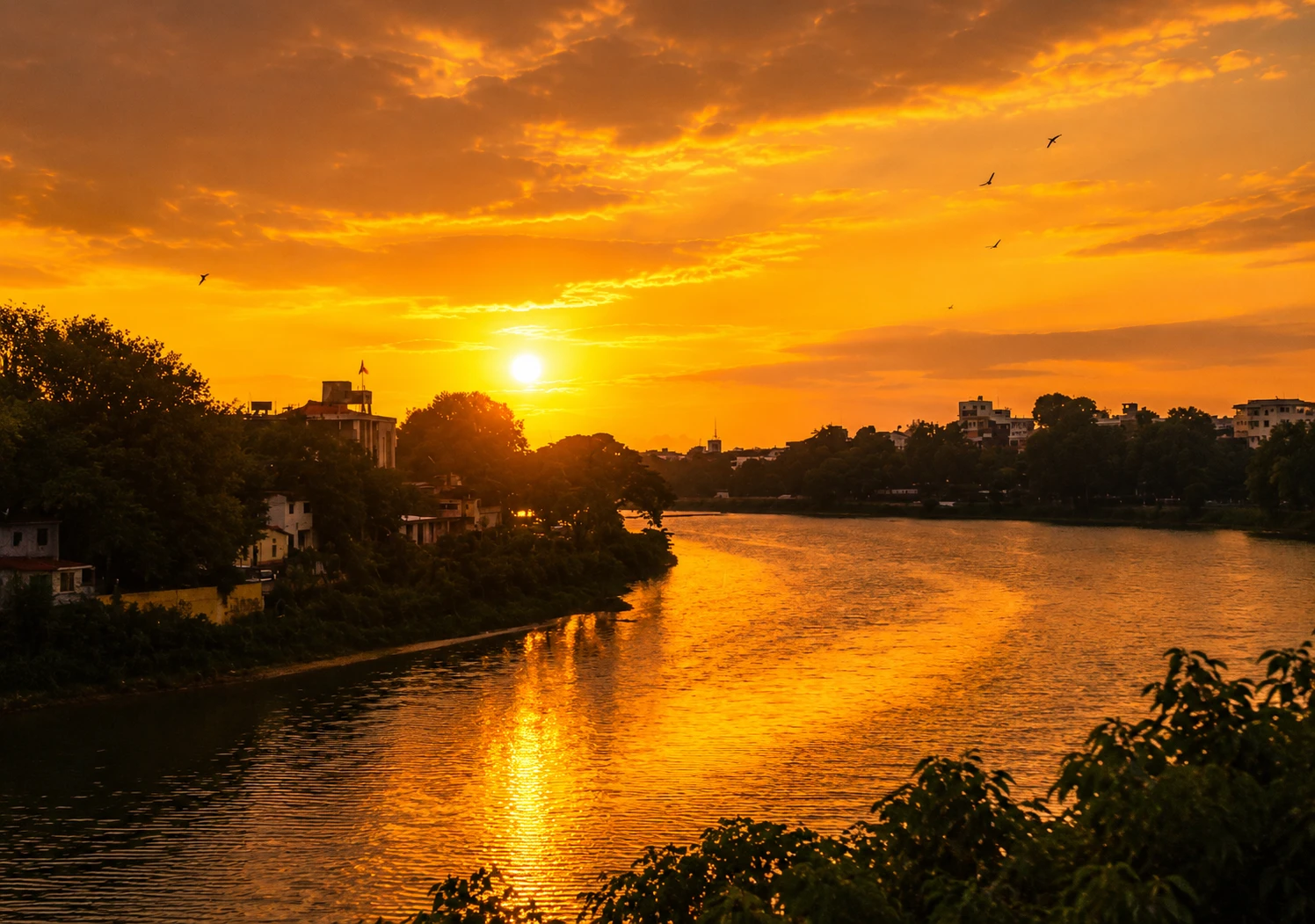
Every sunrise over the Godavari reflects centuries of uninterrupted devotion. Every evening, the river quietly witnesses thousands of prayers offered with folded hands. For the people of Nashik, the Godavari is not simply part of the landscape—it is part of everyday life.
The Heart of Simhastha Kumbh
Every twelve years, the Godavari becomes the spiritual centre of the Simhastha Kumbh Mela. Millions of pilgrims gather along its ghats to participate in the sacred bathing rituals that define the festival. Saints from ancient Akharas, Naga Sadhus, spiritual leaders, and devotees from across the world come together on its banks, creating an atmosphere of extraordinary faith and devotion.
The sacred bath is believed to symbolize inner purification, humility, and spiritual renewal. Yet beyond religious beliefs, it also represents humanity coming together around a river that has inspired generations.
More Than a Sacred River
The Godavari has always been more than a place of worship. It has sustained civilizations, nourished fertile lands, supported trade routes, and shaped the cultural identity of the regions through which it flows. Poets have celebrated its beauty. Saints have meditated on its banks. Artists have drawn inspiration from its timeless presence. Communities have flourished because of its life-giving waters. Its influence extends beyond religion into every aspect of history and culture.
Protecting a Timeless Legacy
A river that has given so much deserves to be protected with equal devotion. As millions visit Nashik each year, preserving the cleanliness and ecological health of the Godavari has become a shared responsibility. River conservation, sustainable pilgrimage practices, responsible tourism, and public awareness all play an essential role in safeguarding this sacred waterway.
Respecting the Godavari means preserving not only a river but also the traditions, memories, and spiritual heritage that have flowed alongside it for centuries. Every visitor has the opportunity to contribute to this legacy.
The Eternal Flow of Faith
The Godavari has witnessed kingdoms rise and disappear. It has welcomed saints, pilgrims, philosophers, and travellers from every generation. Its waters have carried prayers, hopes, and countless stories through the ages. As Nashik Kumbh 2027 approaches, the Dakshin Ganga will once again become the meeting place of millions who arrive seeking blessings, peace, and a deeper connection with India's timeless spiritual heritage.
The Godavari is called the Dakshin Ganga not only because of its sacred origin or religious significance. It has earned that name because, for centuries, it has carried the same message as the Ganga itself—one of purity, compassion, faith, and the eternal flow of life. In its quiet current flows the soul of Nashik, the devotion of millions, and a tradition that continues to inspire the world.