

Nashik Kumbh 2027: A Cultural Celebration Every Indian Should Experience
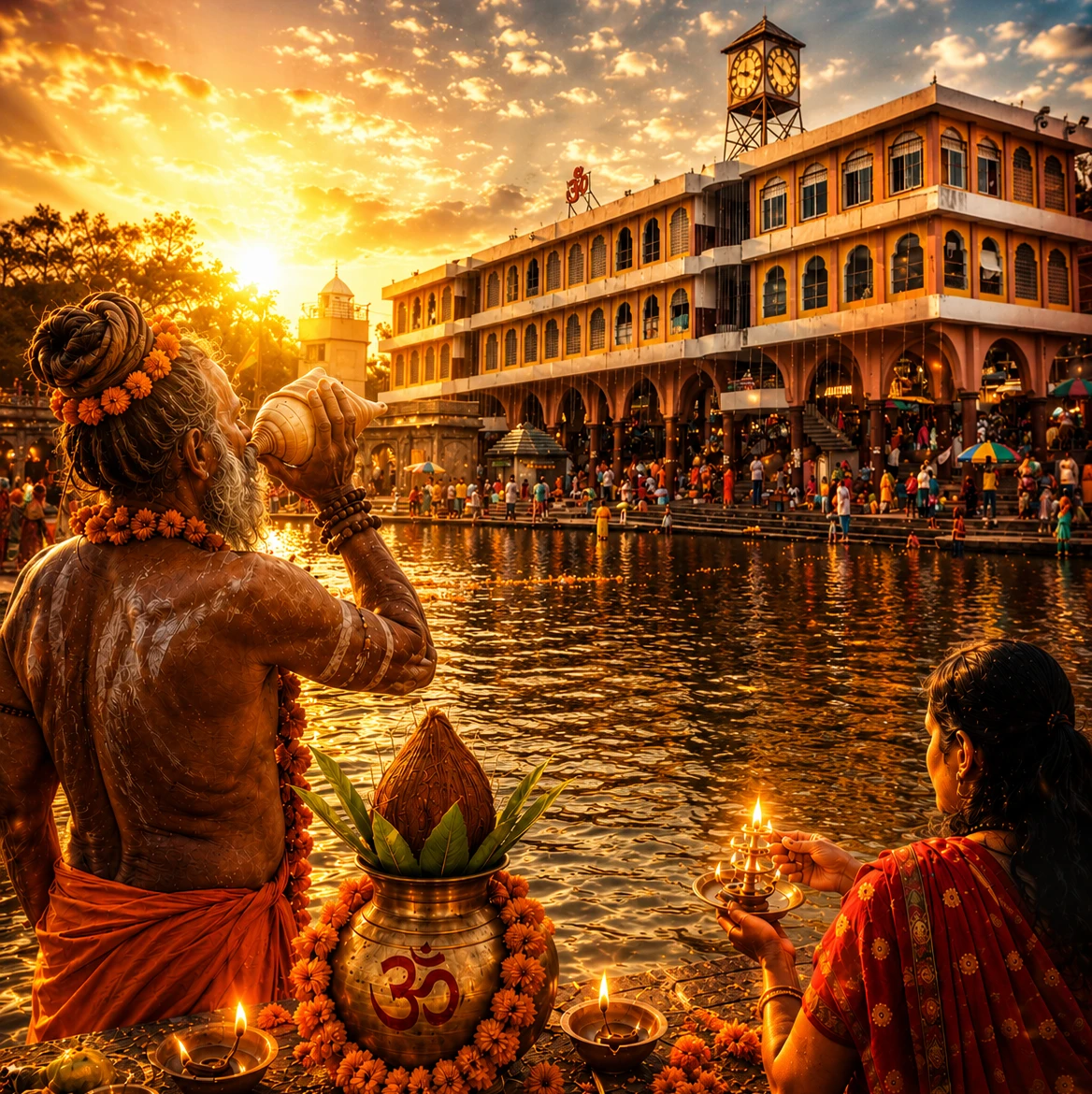
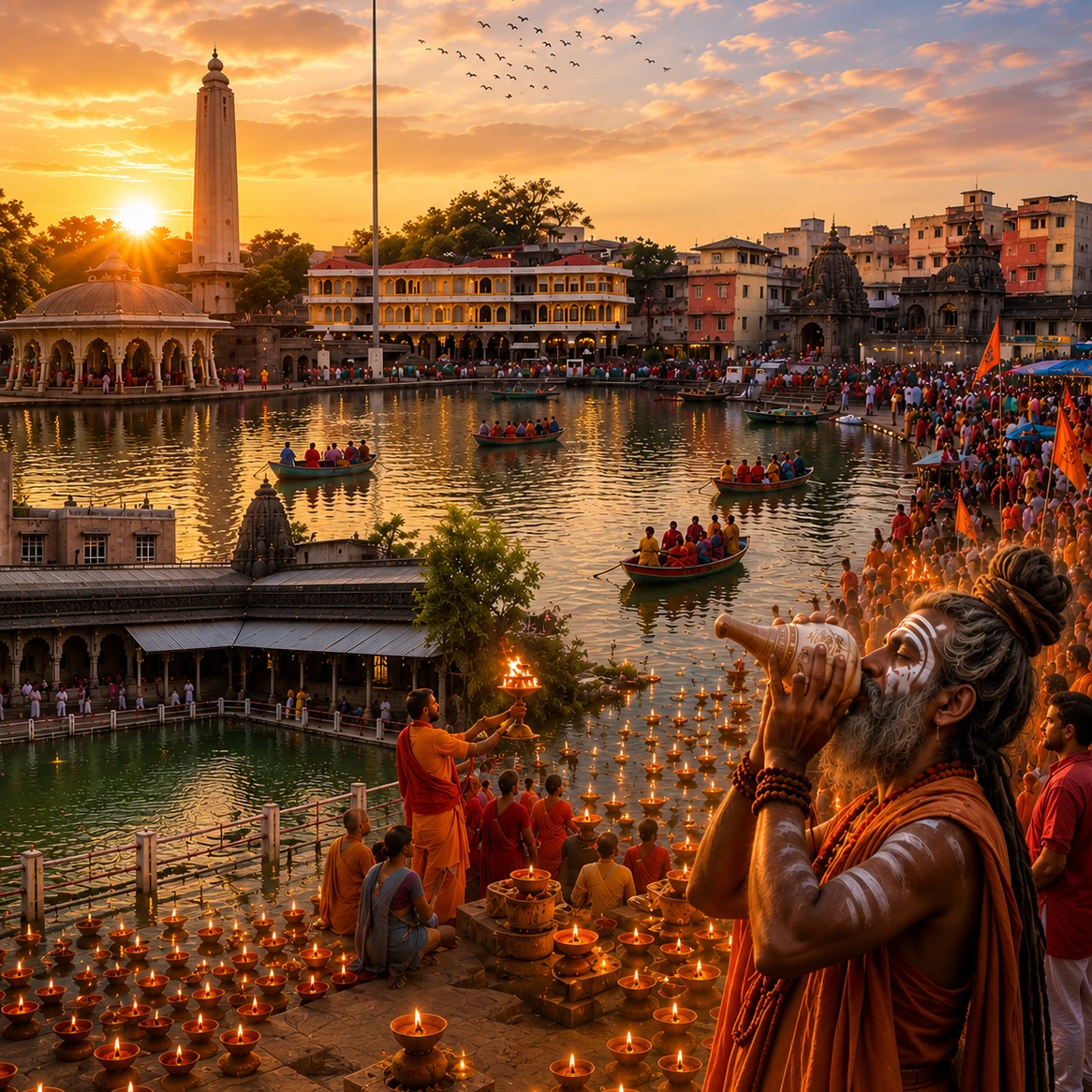
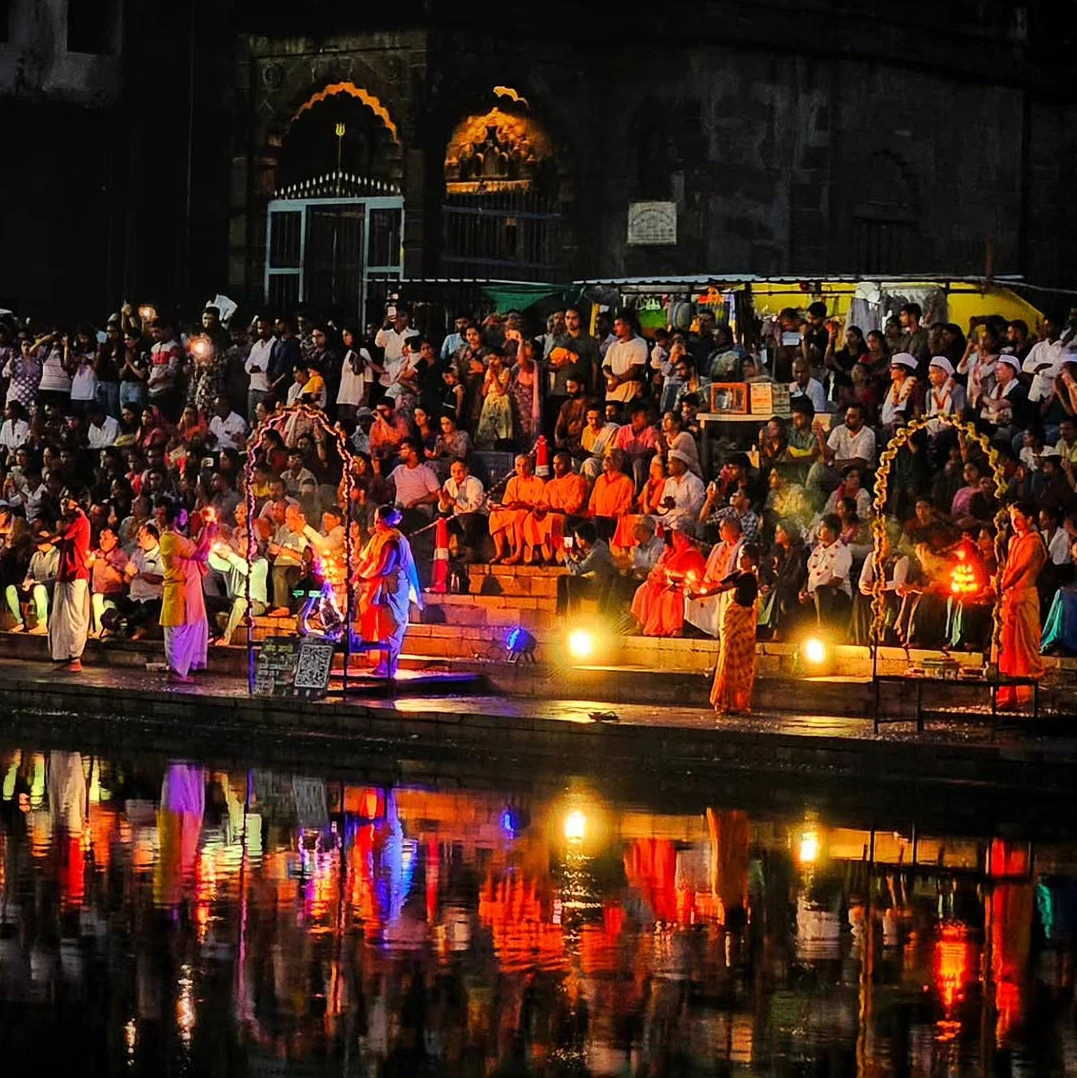
India is a land of countless festivals, ancient traditions, and timeless beliefs. Yet, among them all, there is one celebration that rises above every boundary of language, region, and community—the Kumbh Mela. Held once every twelve years, Nashik Kumbh 2027 is far more than a religious gathering. It is a living celebration of India's civilizational heritage, where spirituality, culture, history, and humanity come together on the sacred banks of the Godavari River.
For generations, millions of pilgrims have travelled to Nashik to seek blessings, witness timeless traditions, and become part of an experience that continues to define India's spiritual identity. Whether you visit as a devotee, a traveller, a student of history, or simply someone eager to understand India's rich cultural heritage, the Nashik Kumbh offers an experience that every Indian should witness at least once.
A Living Reflection of India's Heritage
India's history is not preserved only in monuments or museums—it lives through its traditions. The Kumbh Mela is one of the finest examples of this living heritage. Ancient rituals, Vedic chants, spiritual discourses, temple ceremonies, and sacred processions continue exactly as they have for centuries, allowing every generation to experience traditions that have shaped Indian civilization. Walking through the streets of Nashik during the Kumbh is like stepping into a living chapter of history, where the past continues to inspire the present.
Where Diversity Finds Unity
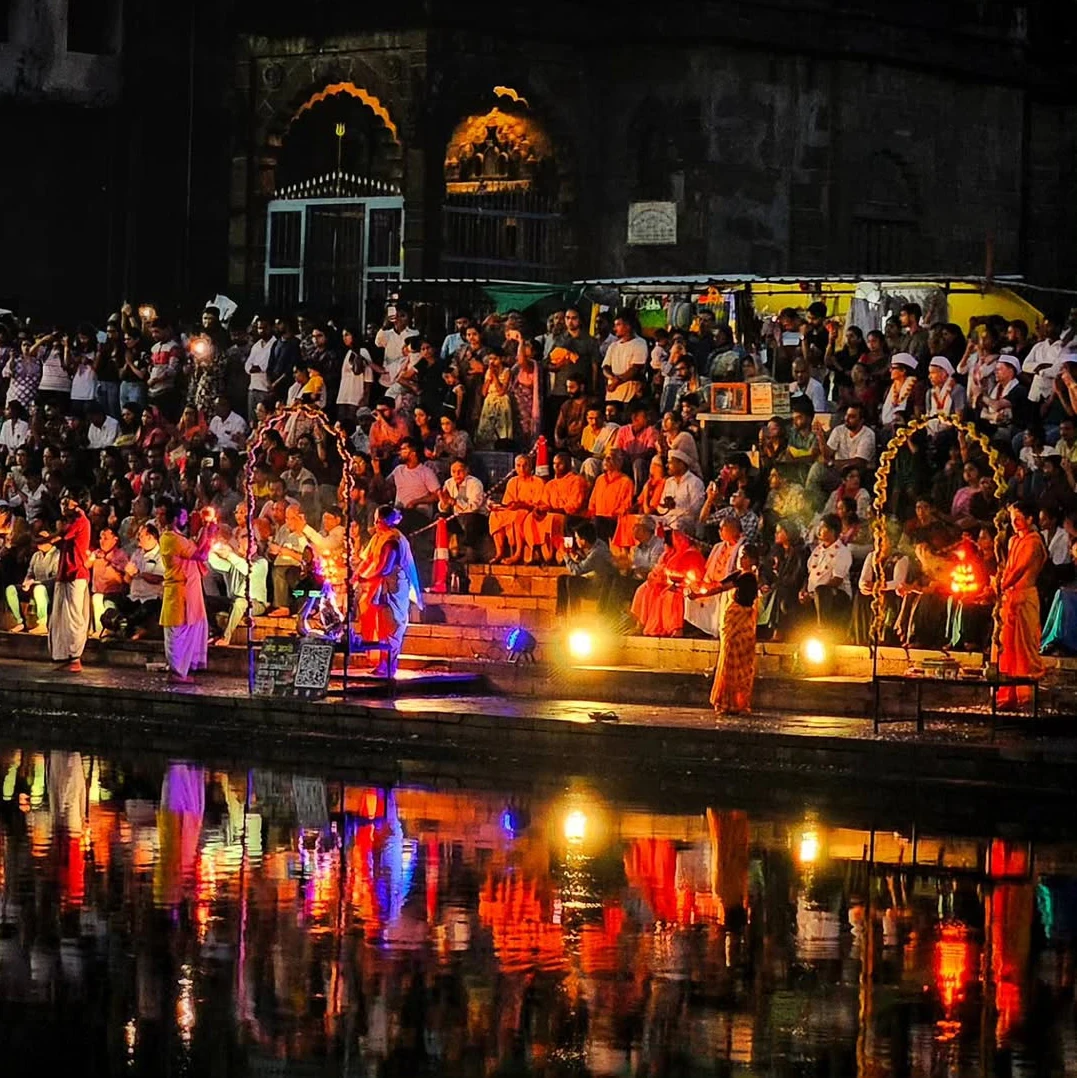
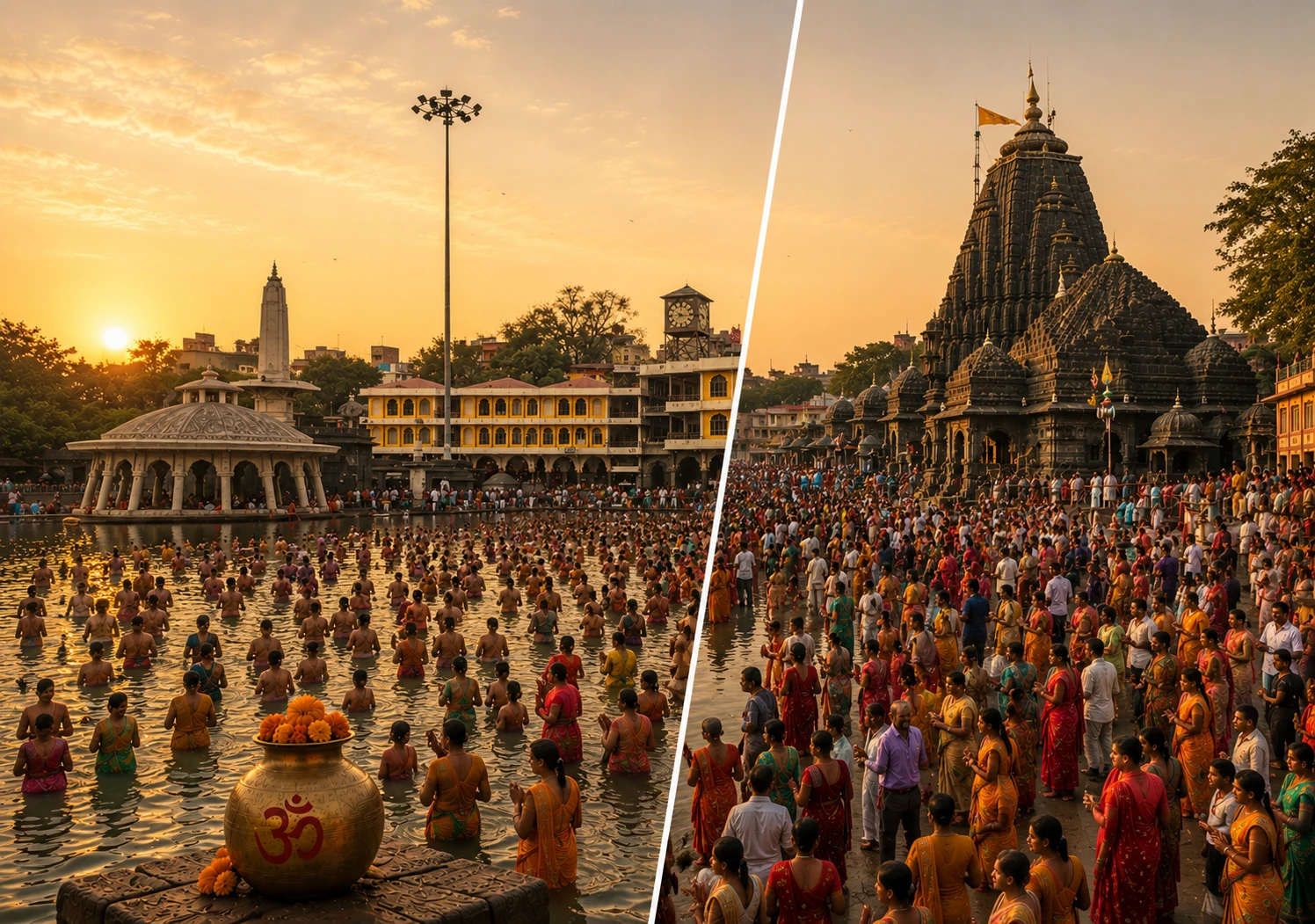
Few events in the world bring together such extraordinary diversity. People from every state, language, culture, and background arrive with different stories but share the same river, the same prayers, and the same spirit of devotion. Here, distinctions fade away.
A farmer from a small village, a scholar researching Indian philosophy, a young traveller discovering heritage, and a family fulfilling a lifelong pilgrimage all become part of the same sacred journey. The Kumbh quietly reminds us that India's greatest strength has always been its unity in diversity.
More Than Faith—A Celebration of Culture
The beauty of Nashik Kumbh extends far beyond religious rituals. Throughout the festival, the city becomes a vibrant celebration of Indian culture. Traditional music fills the air, folk performances entertain visitors, local artisans display their craftsmanship, and devotional literature continues to inspire generations.
The bustling streets, colourful processions, ancient temples, and cultural performances create an atmosphere that reflects the richness of India's artistic and spiritual traditions. Every visitor leaves with a deeper appreciation of the country's remarkable cultural diversity.
A Journey Through India's Spiritual Legacy
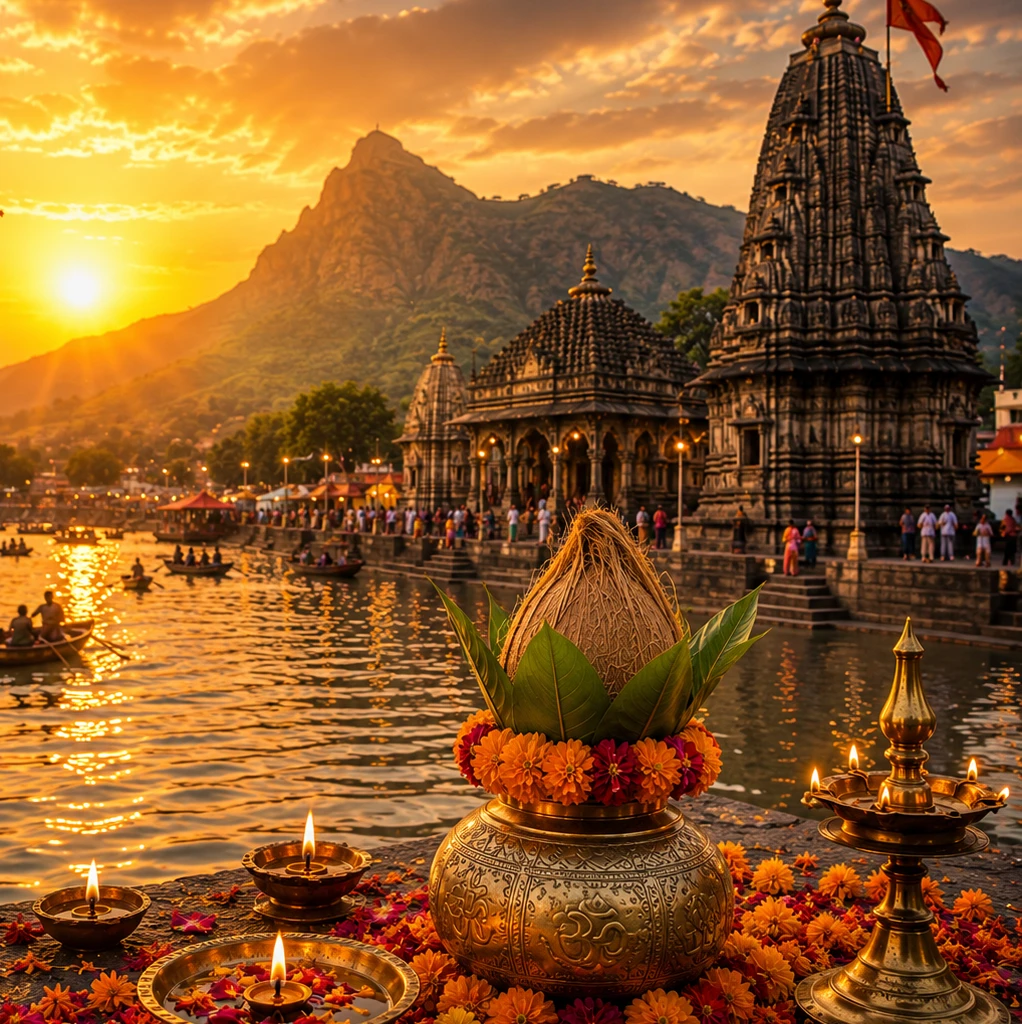
Nashik is one of India's most sacred cities. The Godavari River, the revered Trimbakeshwar Jyotirlinga, Panchavati, Ramkund, Kapaleshwar Temple, and many other historic sites are deeply connected with Hindu mythology and the Ramayana.
During the Kumbh, these places become even more meaningful, allowing visitors to experience India's spiritual legacy not through books but through living traditions that continue to thrive today. Every temple, every prayer, and every sacred path tells a story that has endured for centuries.
An Experience That Inspires Every Generation
One of the most remarkable aspects of the Kumbh is its ability to inspire people of all ages. For elders, it is the fulfilment of a lifelong spiritual aspiration. For young people, it is an opportunity to discover the richness of Indian culture and heritage. For children, it becomes a memorable introduction to traditions that have shaped the nation for thousands of years. Every generation experiences the Kumbh differently, yet everyone carries home something meaningful.
More Than a Festival—A National Heritage
The Kumbh is often called the world's largest spiritual gathering, but its true significance lies in what it represents. It celebrates India's philosophy of coexistence, compassion, service, and spiritual freedom. It preserves traditions that have survived centuries of change. It brings together millions without distinction.
And it reminds every visitor that India's greatest treasures are not only found in its monuments, but also in its living traditions. The Kumbh is not simply a festival—it is a reflection of India's soul.
An Invitation to Every Indian
As Nashik Kumbh 2027 approaches, another chapter of this extraordinary tradition is about to begin. For those who have visited before, it is an opportunity to reconnect with a sacred legacy. For first-time visitors, it is an invitation to experience something truly unforgettable. Because there are some places every Indian should see. Some stories every Indian should know.
And some traditions every Indian should experience. Nashik Kumbh 2027 is one of them. It is more than a pilgrimage. It is a celebration of faith, culture, heritage, and the enduring spirit of India—an experience that belongs not only to devotees, but to every Indian who wishes to understand the timeless soul of the nation.