


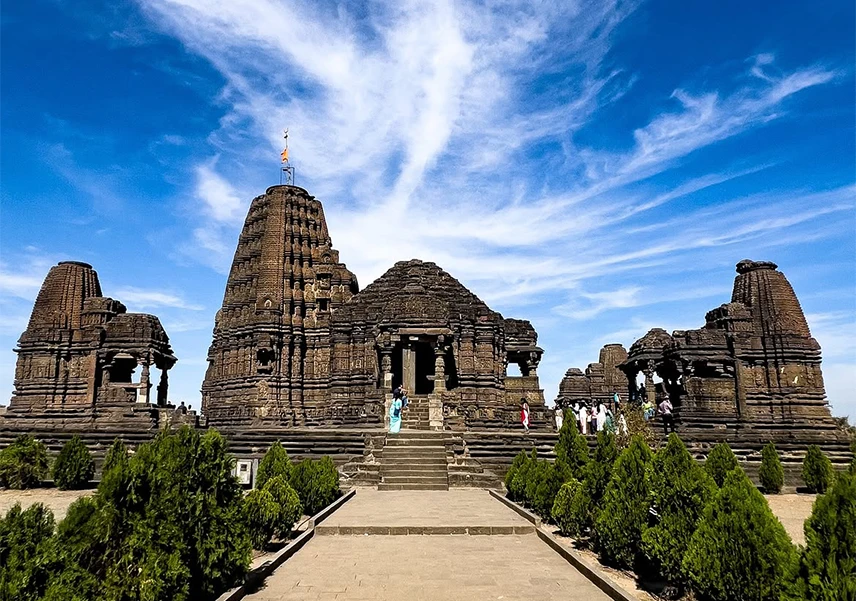
Gondeshwar Temple, Sinnar: A Timeless Masterpiece of Yadava Architecture
Some temples are known for their spiritual significance. Others are admired for their architectural brilliance. Gondeshwar Temple in Sinnar, near Nashik, is one of the rare places where both come together in perfect harmony. Standing gracefully for more than eight centuries, this magnificent Shiva temple is one of the finest examples of Hemadpanti architecture in Maharashtra.
Every stone, every pillar, and every intricate carving reflects the artistic excellence of the Yadava era, making Gondeshwar not only a place of worship but also a priceless monument of India's cultural heritage. For visitors exploring the spiritual and historical treasures of Nashik during Simhastha Kumbh 2027, Gondeshwar Temple offers a journey into a glorious chapter of Maharashtra's history.
A Legacy from the Yadava Dynasty
The Gondeshwar Temple is believed to have been built during the 12th–13th century, when the Yadava dynasty ruled large parts of present-day Maharashtra. The Yadavas were renowned patrons of art, architecture, and temple construction. Their vision was not merely to create places of worship but to build monuments that reflected spiritual philosophy through architecture.
Even after centuries of changing kingdoms and passing generations, Gondeshwar Temple continues to stand with remarkable strength and elegance, preserving the legacy of an extraordinary era. Every stone silently narrates a story from medieval Maharashtra.
A Temple Dedicated to Lord Shiva
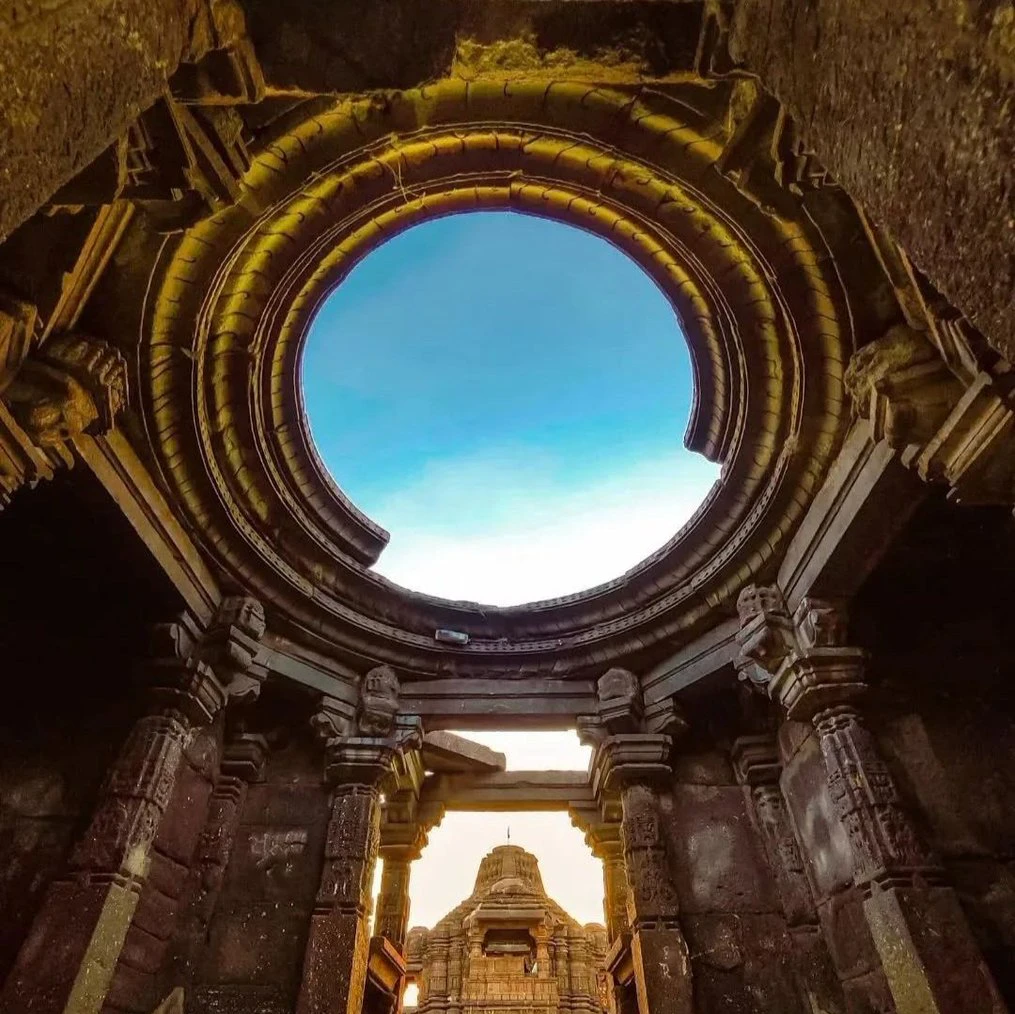
At the heart of the temple lies the sacred shrine of Lord Shiva, where devotees have offered prayers for centuries. The peaceful sanctum creates an atmosphere of deep devotion, while the beautifully carved mandapa welcomes visitors with timeless architectural grandeur.
Although the temple attracts historians and architecture enthusiasts from across the country, it continues to remain an active place of worship where faith and tradition flourish together. Its spiritual significance has never diminished with time.
The Beauty of Hemadpanti Architecture
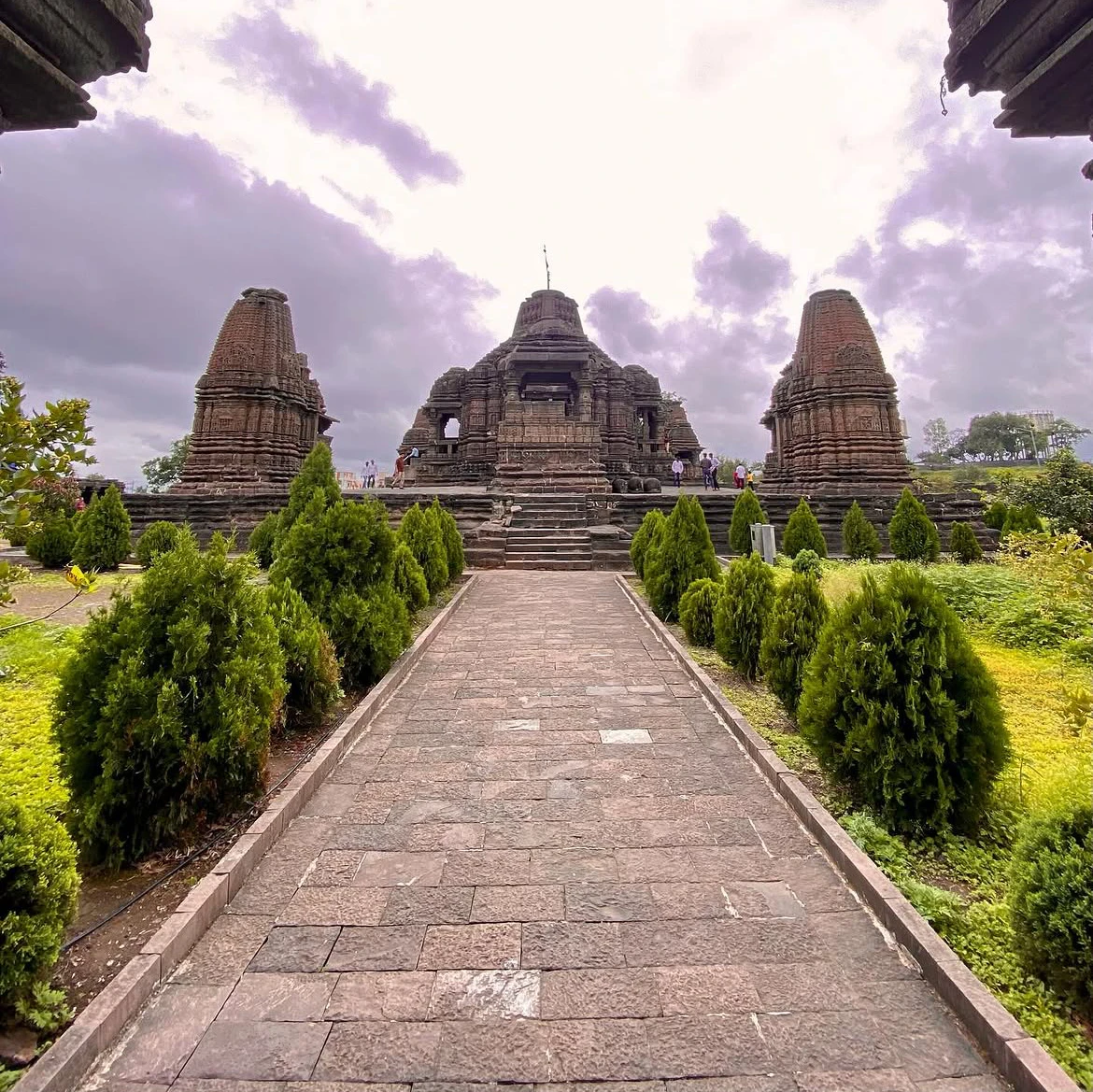
One of the most remarkable features of Gondeshwar Temple is its classic Hemadpanti architectural style, named after the renowned Yadava minister Hemadri (Hemadpant) of the Yadava kingdom. Constructed using precisely cut black basalt stones without the extensive use of mortar, the temple demonstrates exceptional engineering skills that continue to impress architects even today.
Its beautifully carved pillars, symmetrical design, ornate ceilings, sculpted walls, and elegant entrance reflect an extraordinary level of craftsmanship rarely seen in modern construction. The temple stands as a perfect example of how architecture can become a form of devotion.
The Panchayatana Temple Complex
Unlike many traditional temples, Gondeshwar follows the ancient Panchayatana style of temple architecture. At the centre stands the main shrine dedicated to Lord Shiva, surrounded by four smaller temples dedicated to other deities.
This harmonious layout symbolises the unity of different forms of worship within Sanatan Dharma and reflects the inclusive spiritual philosophy that has always been a defining characteristic of Indian culture. Walking through the temple complex offers visitors a deeper appreciation of both religious symbolism and architectural planning.
A Paradise for Heritage Lovers
While pilgrims visit Gondeshwar to seek Lord Shiva's blessings, history enthusiasts admire it for an entirely different reason. Every sculpture tells a story. Every carved panel reflects scenes from mythology, everyday life, and ancient traditions. Every pillar showcases the remarkable artistic skills of medieval craftsmen.
Photographers, researchers, students, and architecture lovers often spend hours exploring the temple, discovering new details with every visit. It is one of those rare monuments that rewards careful observation.
A Peaceful Escape Near Nashik
Located in the historic town of Sinnar, just a short drive from Nashik, Gondeshwar Temple offers a peaceful retreat away from the busy pilgrimage routes. Unlike crowded religious destinations, visitors can experience the temple in a calm and serene environment, allowing time for prayer, reflection, and exploration. The surrounding landscape further enhances the spiritual atmosphere, making every visit both relaxing and meaningful.
Include Gondeshwar in Your Nashik Kumbh Journey
During Simhastha Kumbh 2027, millions of devotees will visit Trimbakeshwar, Ramkund, Panchavati, and the sacred Godavari River. Adding Gondeshwar Temple to your itinerary allows you to discover another remarkable dimension of Nashik's heritage—its extraordinary architectural legacy.
It beautifully complements the spiritual journey by connecting visitors with the artistic achievements of medieval Maharashtra. Together, these destinations create a pilgrimage that celebrates faith, history, and culture.
Where Stone Becomes Eternal
Centuries have passed. Empires have risen and fallen. Generations of devotees have come and gone. Yet Gondeshwar Temple continues to stand with quiet dignity, reminding us that true greatness is timeless. It is more than an ancient Shiva temple. It is a masterpiece carved in stone, a symbol of Maharashtra's architectural excellence, and a living monument where history continues to inspire devotion.
As you explore Nashik Kumbh 2027, take a moment to visit Gondeshwar Temple. You will discover not only the blessings of Lord Shiva but also one of the finest architectural treasures ever created in the Deccan—a place where faith, history, and art have stood together for over eight hundred years.