

Important Stories from the Ramayana Connected to Nashik
The Ramayana is not merely an ancient epic—it is a living heritage that continues to shape the spiritual identity of India. Among all the places mentioned in this timeless scripture, Nashik holds a uniquely sacred position. It was here, on the banks of the holy Godavari River, that Lord Rama, Goddess Sita, and Lord Lakshmana spent a significant part of their fourteen-year exile. It was here that devotion was tested, sacrifices were made, and events unfolded that eventually led to the great battle of Lanka.
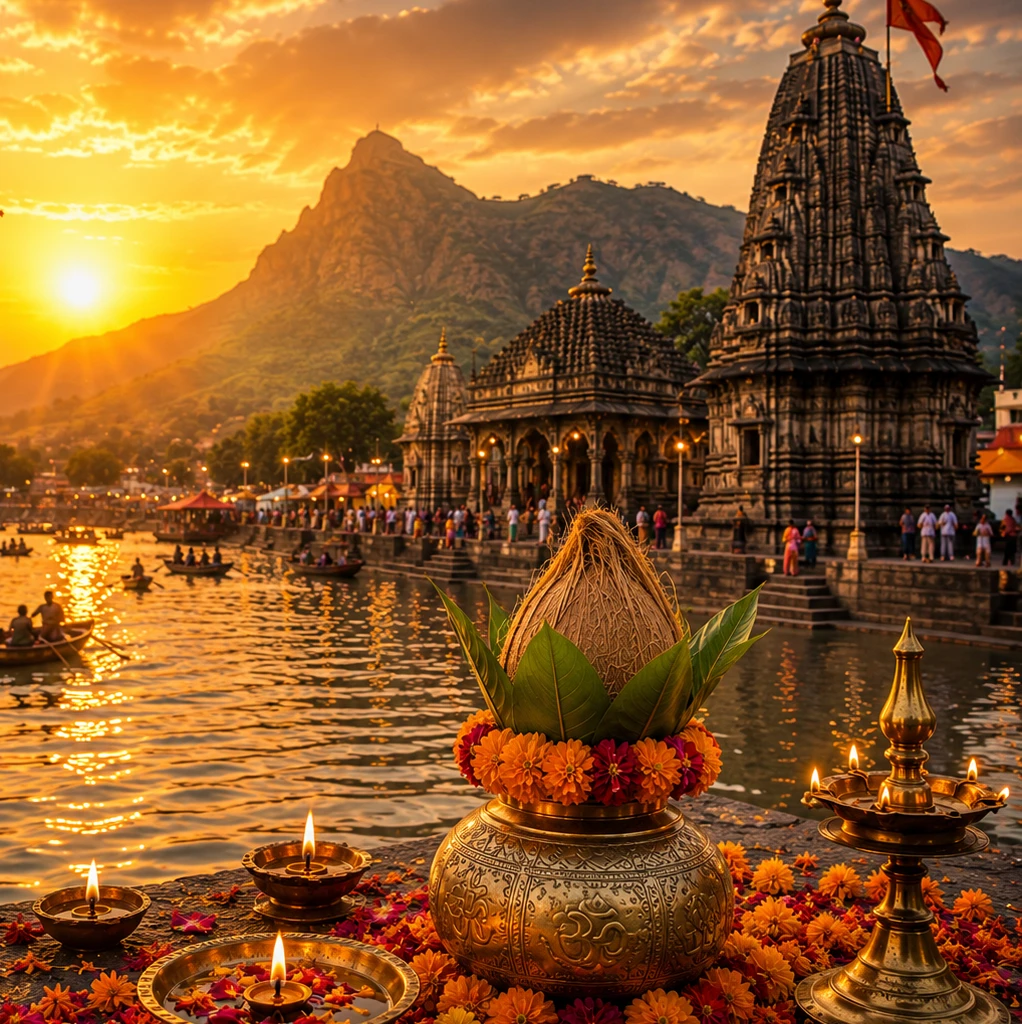
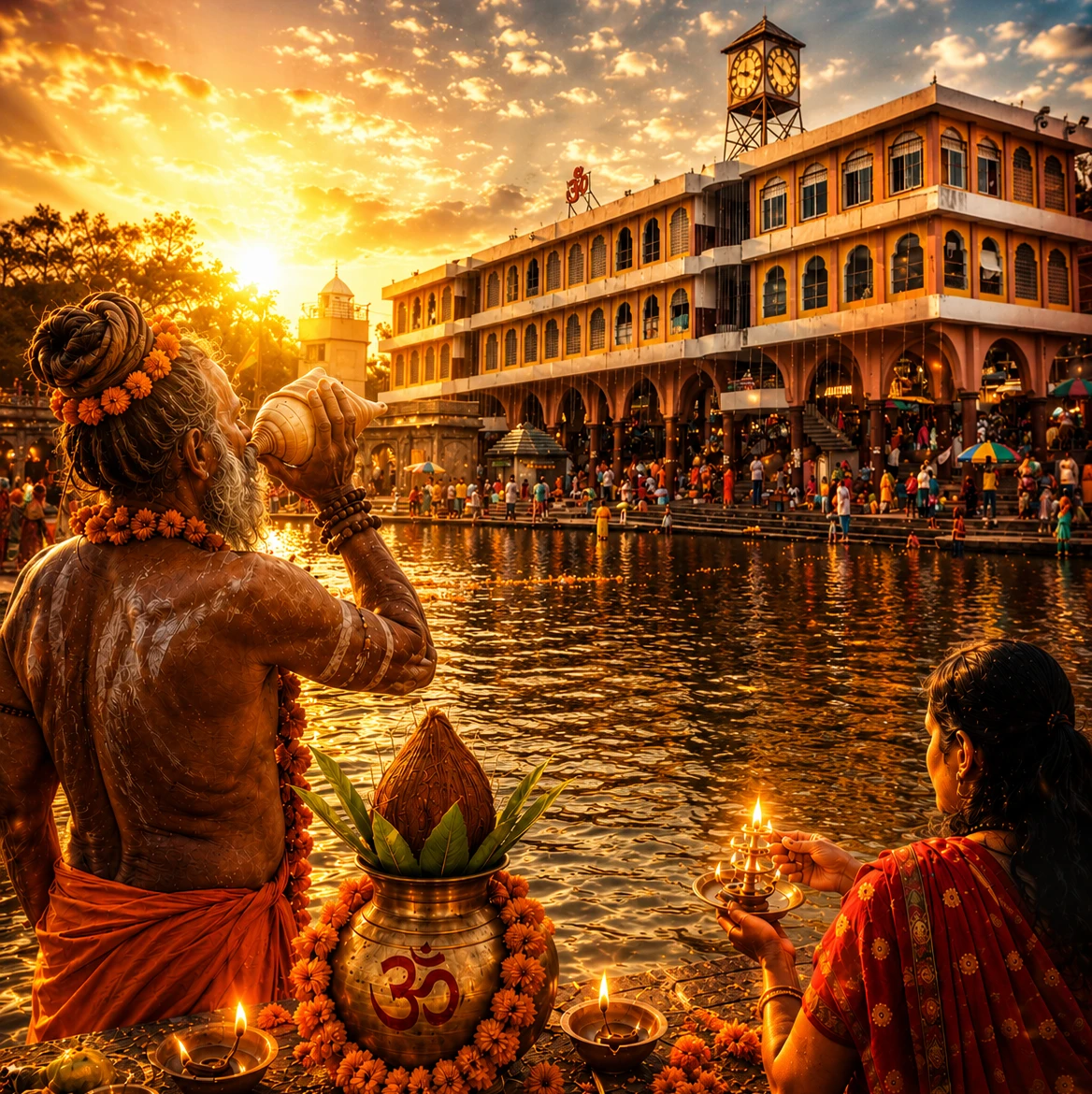
Even today, the temples, caves, ghats, and forests of Nashik preserve these stories, allowing pilgrims to walk through places where mythology continues to live. As you visit Nashik Kumbh 2027, these sacred stories transform your journey into something far deeper than sightseeing—they connect you with one of India's greatest spiritual traditions.
Panchavati – The Home of Lord Rama During Exile
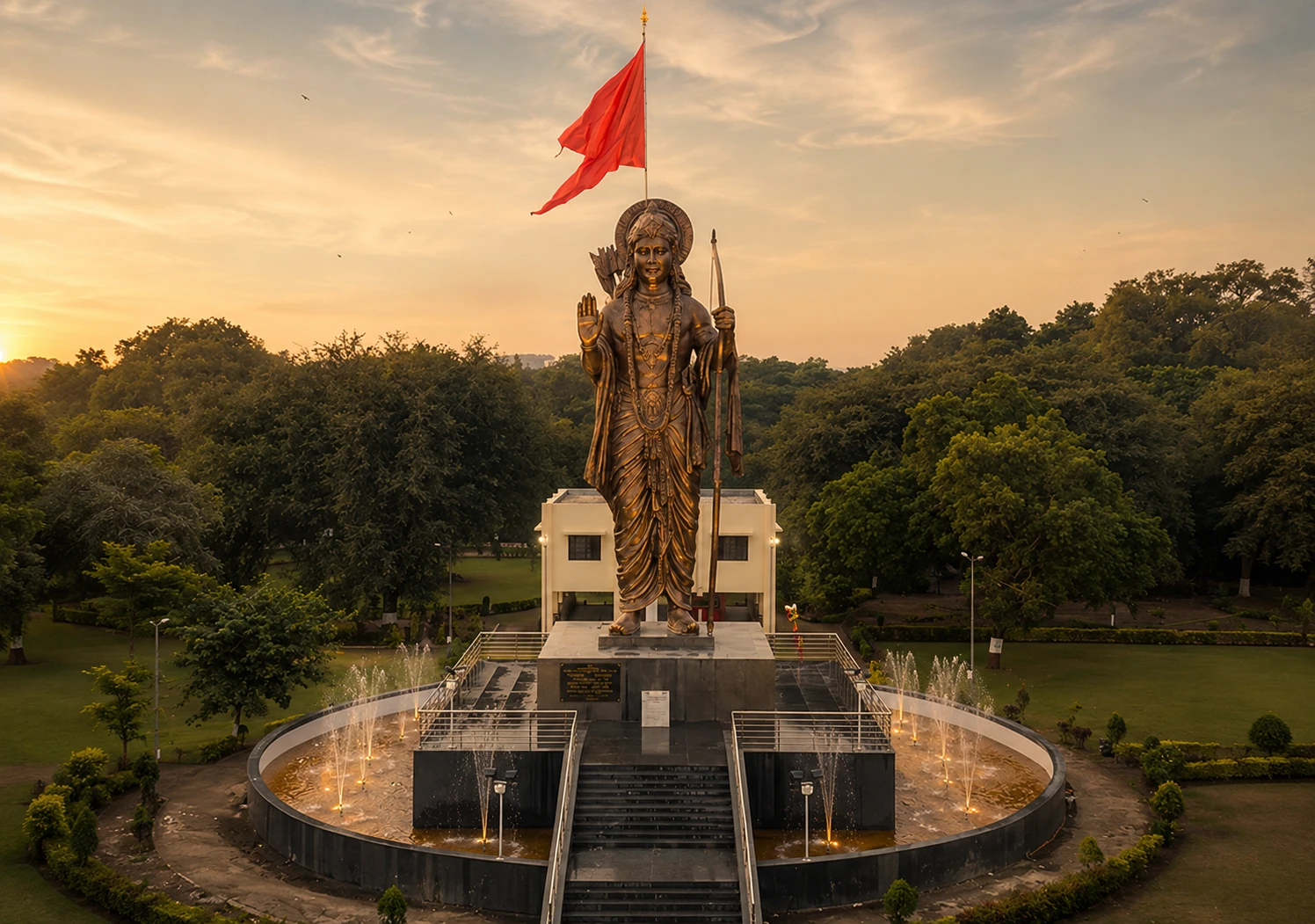
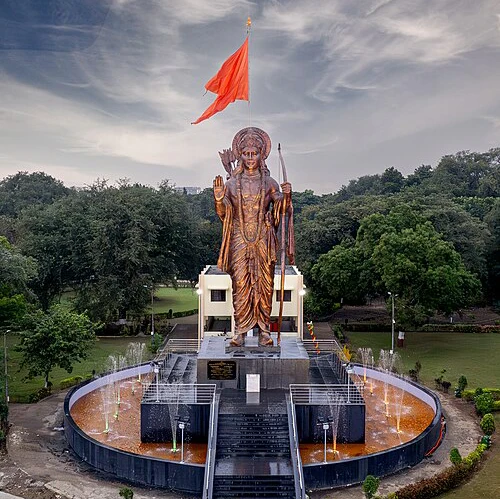
One of the most significant chapters of the Ramayana begins in Panchavati. Drawn by the peaceful forests and the sacred Godavari, Lord Rama chose Panchavati as his home during exile along with Goddess Sita and Lord Lakshmana.
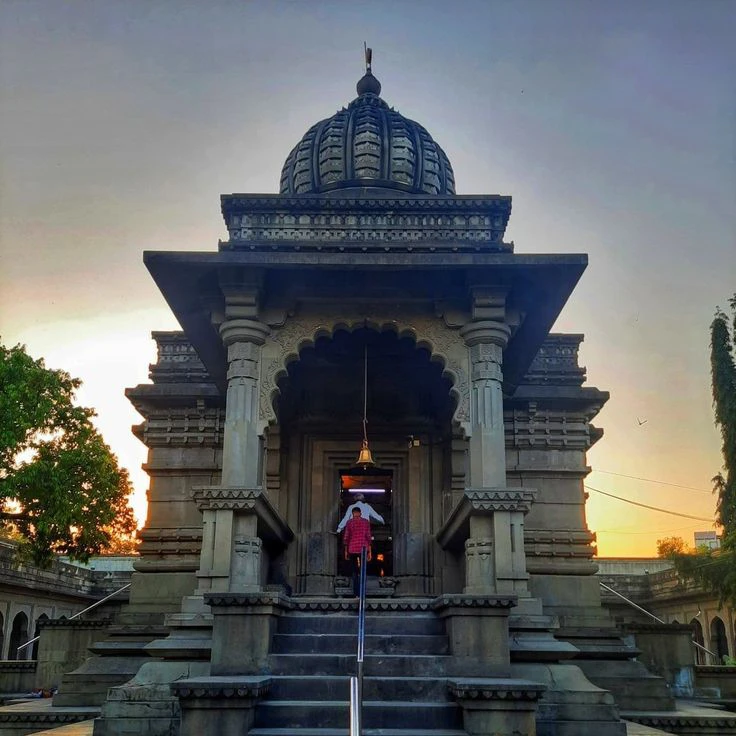
Here they lived a simple life, surrounded by nature, performing daily worship and serving sages who resided in the nearby forests. Today, Panchavati remains one of Nashik's holiest places, where every temple and pathway reminds visitors of those divine years.
The Story of Surpanakha
One of the turning points of the Ramayana took place in Nashik. According to tradition, Surpanakha, the sister of Ravana, approached Lord Rama and later Lakshmana in Panchavati. After her actions threatened the peace of the hermitage, Lakshmana cut off her nose.
This incident eventually led Surpanakha to seek Ravana's help, setting in motion the events that changed the course of the Ramayana forever. Many believe that the name Nashik is derived from the Sanskrit word "Nasika," meaning nose, making this episode forever linked with the city's identity.
Sita Gufa – A Place of Faith and Devotion
Nestled within Panchavati lies the sacred Sita Gufa, where Goddess Sita is believed to have spent time in prayer and meditation. The peaceful cave reminds visitors of Sita's unwavering faith, simplicity, and strength during exile. For devotees, entering the cave is not merely a visit to a historical site but an opportunity to connect with one of the most revered figures in Indian culture.
The Golden Deer
One of the most emotional episodes of the Ramayana also unfolded in the forests of Panchavati. The demon Maricha, disguised as a beautiful golden deer, appeared before Lord Rama's hermitage. Captivated by its beauty, Sita requested Rama to bring it to her. As Rama went after the deer and Lakshmana later left to search for him, the hermitage was left unguarded. This seemingly simple incident became the beginning of one of the greatest conflicts in the Ramayana. It reminds us how illusion can sometimes lead to life's greatest challenges.
The Abduction of Goddess Sita
Taking advantage of Rama and Lakshmana's absence, Ravana arrived disguised as a sage. When Sita stepped beyond the protective boundary to offer alms, Ravana revealed his true identity and abducted her in his celestial chariot. This heartbreaking moment marked the beginning of Lord Rama's search for Sita and eventually the great battle between righteousness and evil. The forests around Nashik are forever associated with this pivotal chapter of the epic.
The Courage of Jatayu
As Ravana carried Sita away, the noble bird Jatayu witnessed the abduction. Despite his old age, Jatayu bravely confronted Ravana in an attempt to rescue Sita. Although he was defeated, his sacrifice became one of the greatest examples of loyalty and courage in the Ramayana.
Later, Lord Rama performed Jatayu's final rites with great honour, recognising his selfless devotion. The story continues to inspire generations with its message that true courage lies in standing for righteousness, regardless of the outcome.
Ramkund – A Sacred Symbol of Devotion
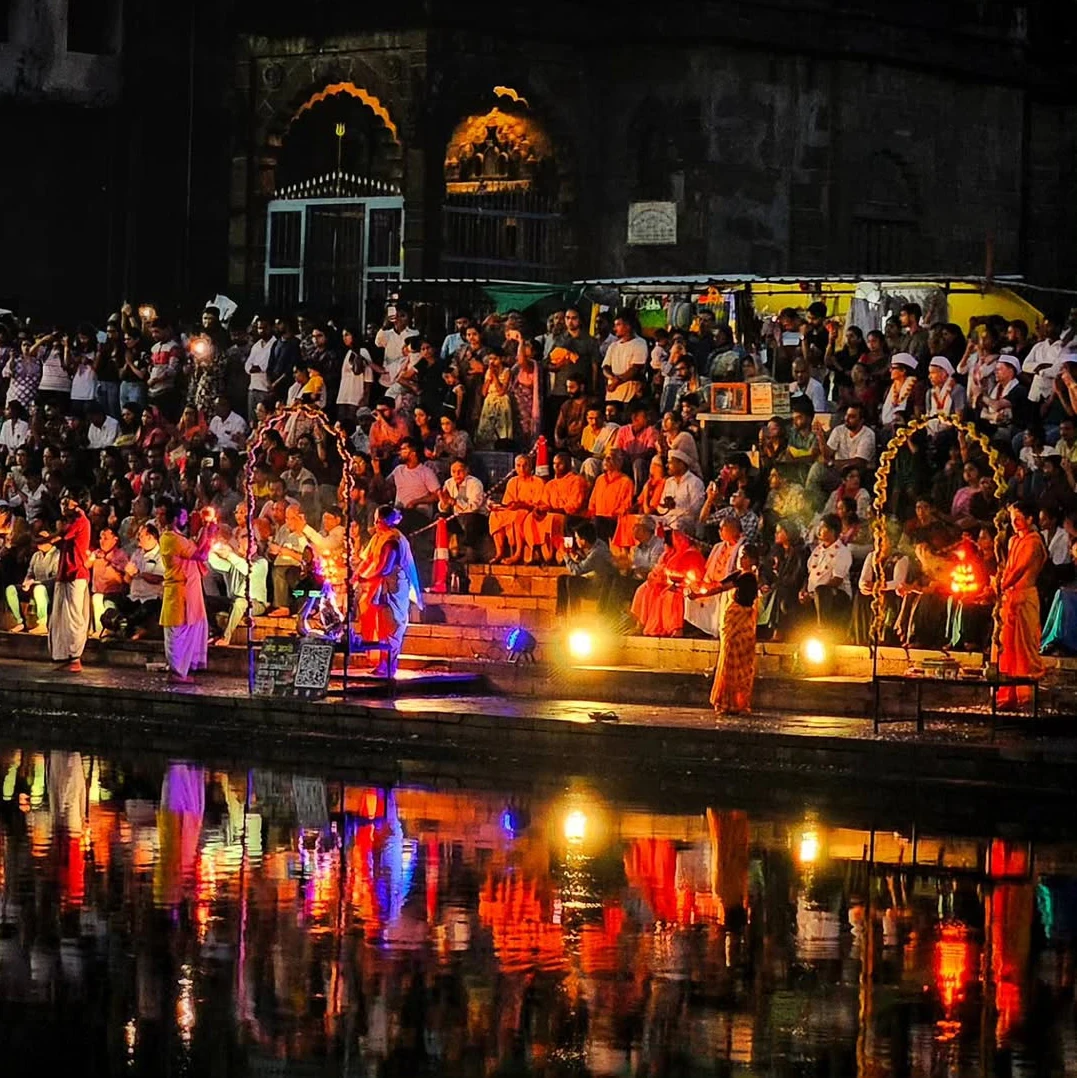
The revered Ramkund on the banks of the Godavari is closely associated with Lord Rama's stay in Nashik. According to tradition, Lord Rama performed sacred rituals here, making the ghat one of the holiest pilgrimage sites in Maharashtra. Today, millions of devotees visit Ramkund to offer prayers, perform ancestral rituals, and seek spiritual blessings. During Simhastha Kumbh, Ramkund becomes the spiritual heart of the entire city.
Lakshmana's Unwavering Service
Throughout their exile in Panchavati, Lord Lakshmana remained a symbol of dedication and selfless service. He protected Lord Rama and Sita, built their forest dwelling, and remained constantly vigilant. His devotion teaches that true greatness is found not in power but in loyalty, discipline, and duty. Even today, Lakshmana's example continues to inspire countless devotees.
A Living Ramayana in Nashik
Unlike many ancient stories that survive only in books, the Ramayana continues to live in Nashik. The temples remain active places of worship. The Godavari still flows through Panchavati. The sacred caves continue to welcome pilgrims. Traditions remain alive through festivals, prayers, and generations of faith. Every visit becomes an opportunity to experience the epic not merely as history, but as a living spiritual journey.
Walk Through the Ramayana During Nashik Kumbh 2027
As Nashik Kumbh 2027 welcomes millions of pilgrims, exploring the Ramayana sites of Nashik adds a deeper meaning to the pilgrimage. From Panchavati and Ramkund to Sita Gufa and the sacred banks of the Godavari, every destination tells a chapter of an epic that has guided humanity for thousands of years.
The Ramayana is more than a story. It is a timeless guide to truth, courage, devotion, and righteousness. And in Nashik, that story is still alive—waiting to be experienced by every pilgrim who walks its sacred paths.