

Looking Back at Nashik's Previous Kumbh Melas: A Journey Through Faith and Time
Every Kumbh Mela becomes a chapter in history. Some are remembered for the millions of pilgrims who gathered in prayer. Others for the remarkable spiritual atmosphere that transformed an entire city. Together, these sacred gatherings have shaped Nashik's identity as one of India's most revered pilgrimage destinations.
As Simhastha Kumbh 2027 approaches, it is the perfect time to look back at the previous Kumbh Melas held in Nashik—celebrations that left behind not only cherished memories but also lasting cultural, spiritual, and civic legacies. Each Kumbh has strengthened the city's connection with faith while preparing it for the future.
A Tradition That Returns Once in Twelve Years
Unlike annual festivals, the Kumbh Mela arrives only after a sacred cycle of twelve years. This long interval makes every gathering unique, allowing an entirely new generation of pilgrims to experience traditions that have been preserved for centuries.
For many devotees, attending even one Kumbh in a lifetime is considered a blessing. For others, returning every twelve years becomes a deeply personal spiritual journey, connecting past experiences with present devotion. This continuity is what gives the Kumbh its timeless character.
The Spirit of Previous Nashik Kumbh Melas
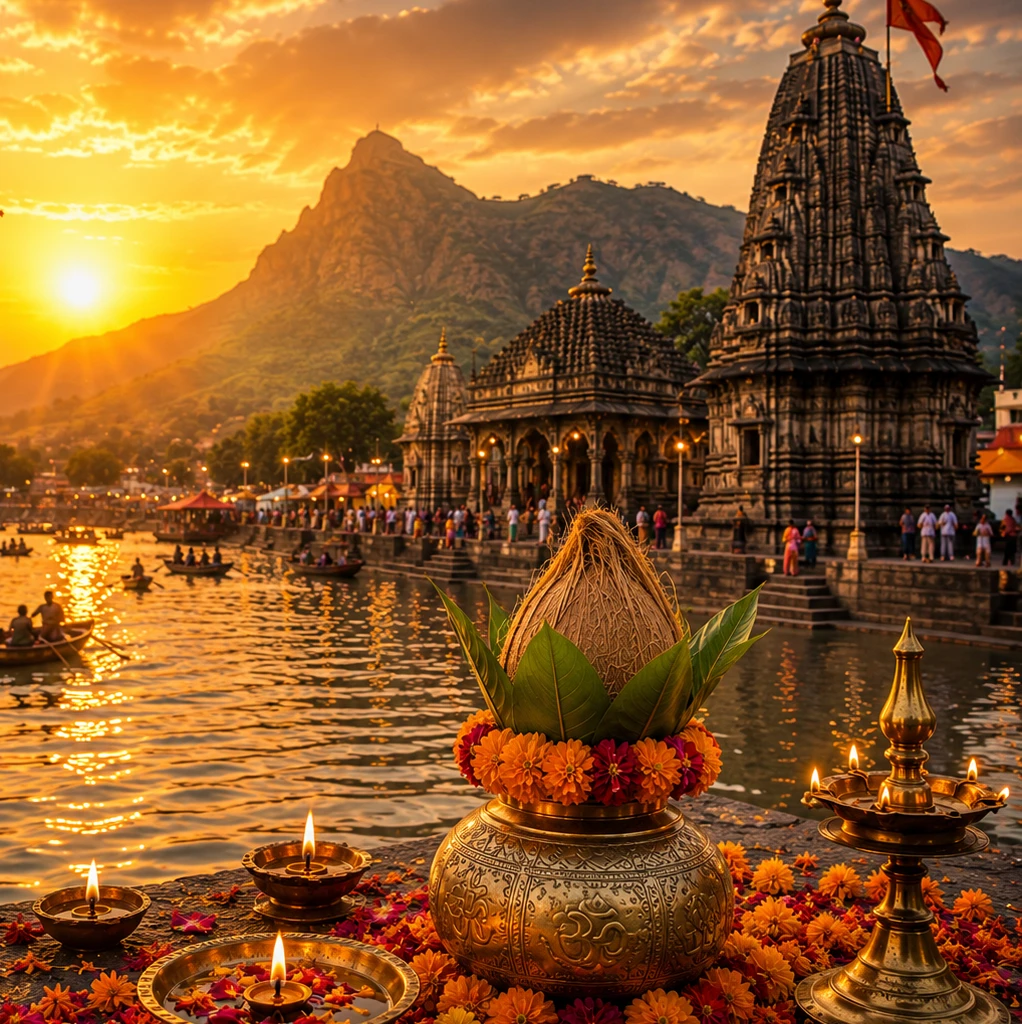
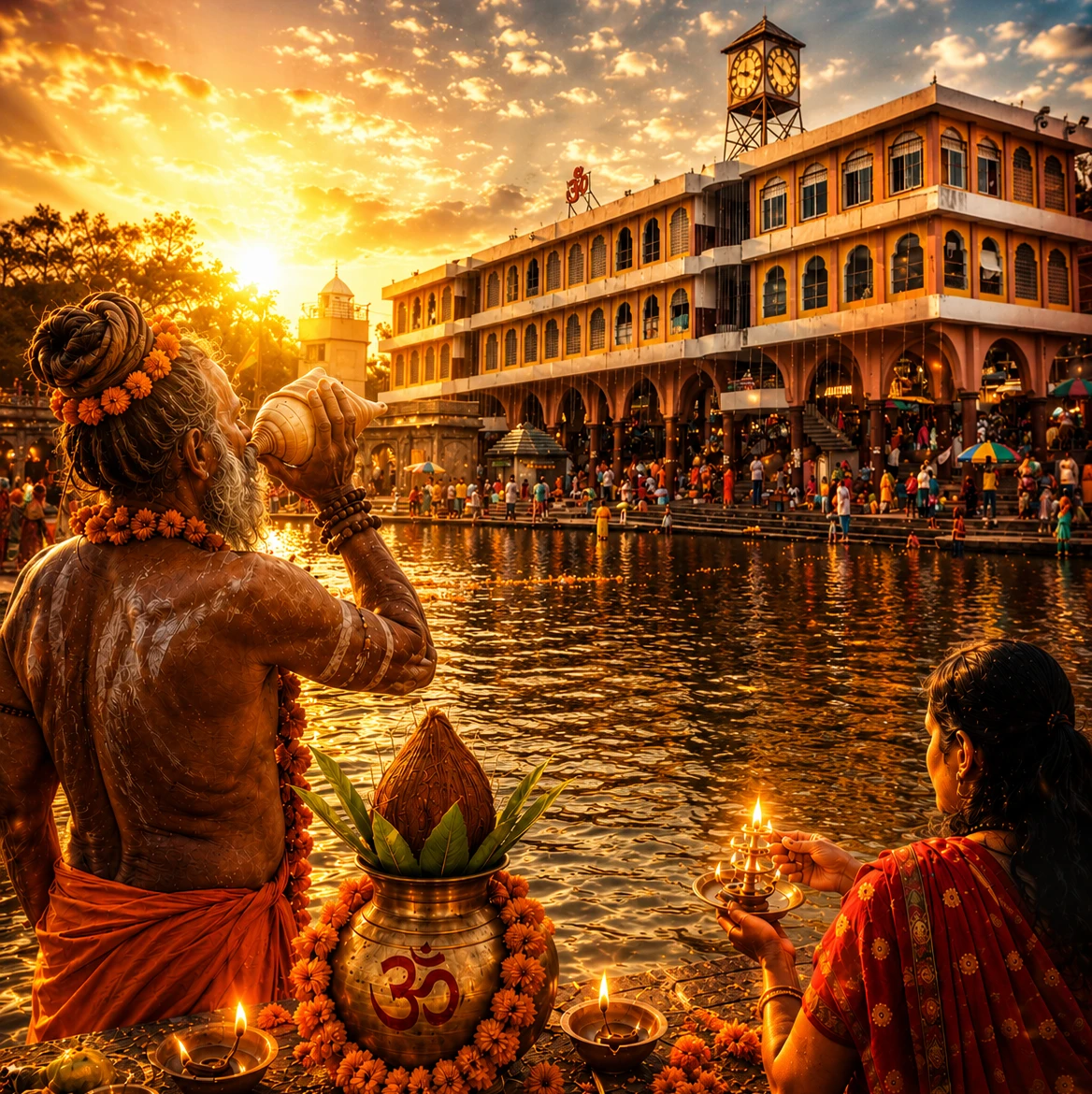
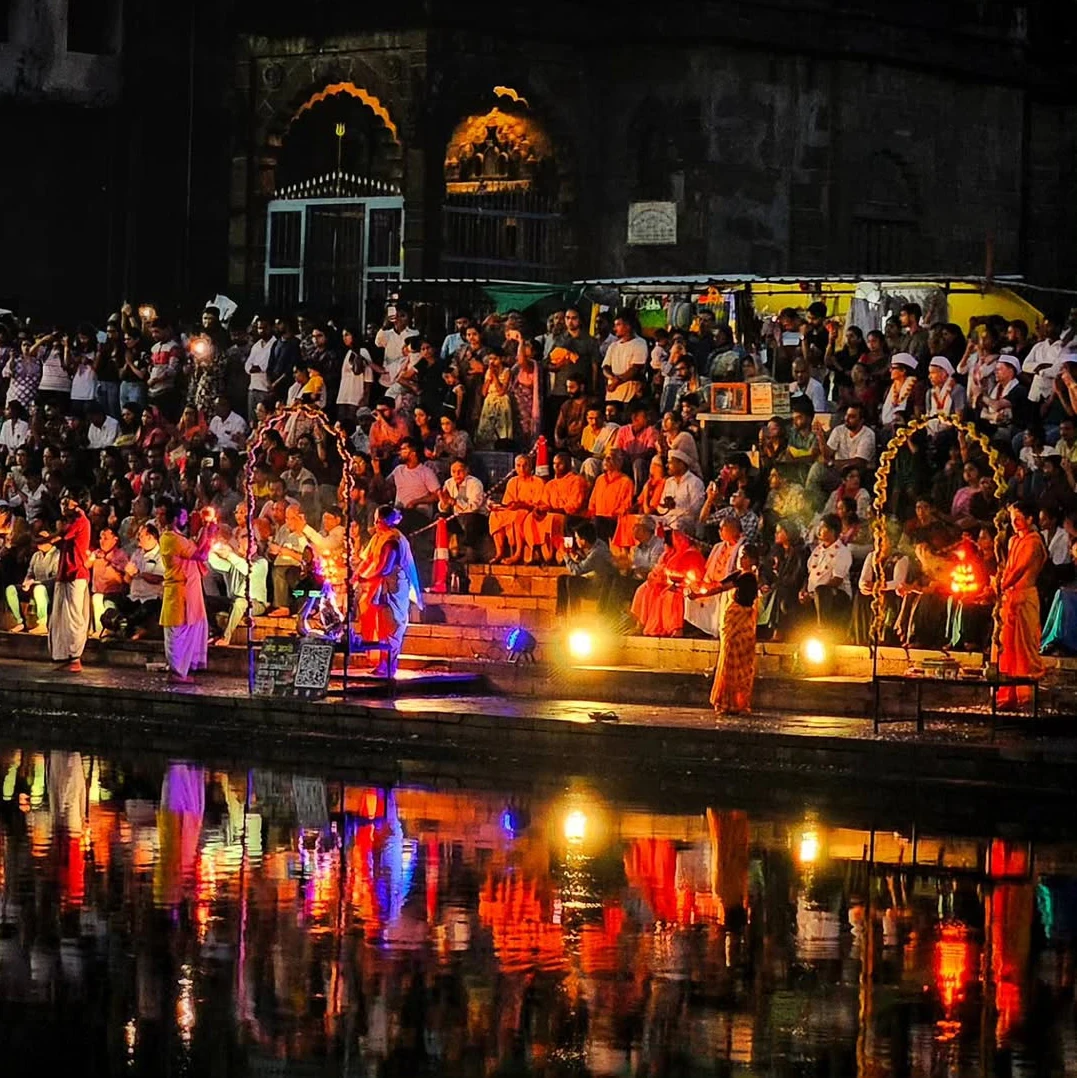
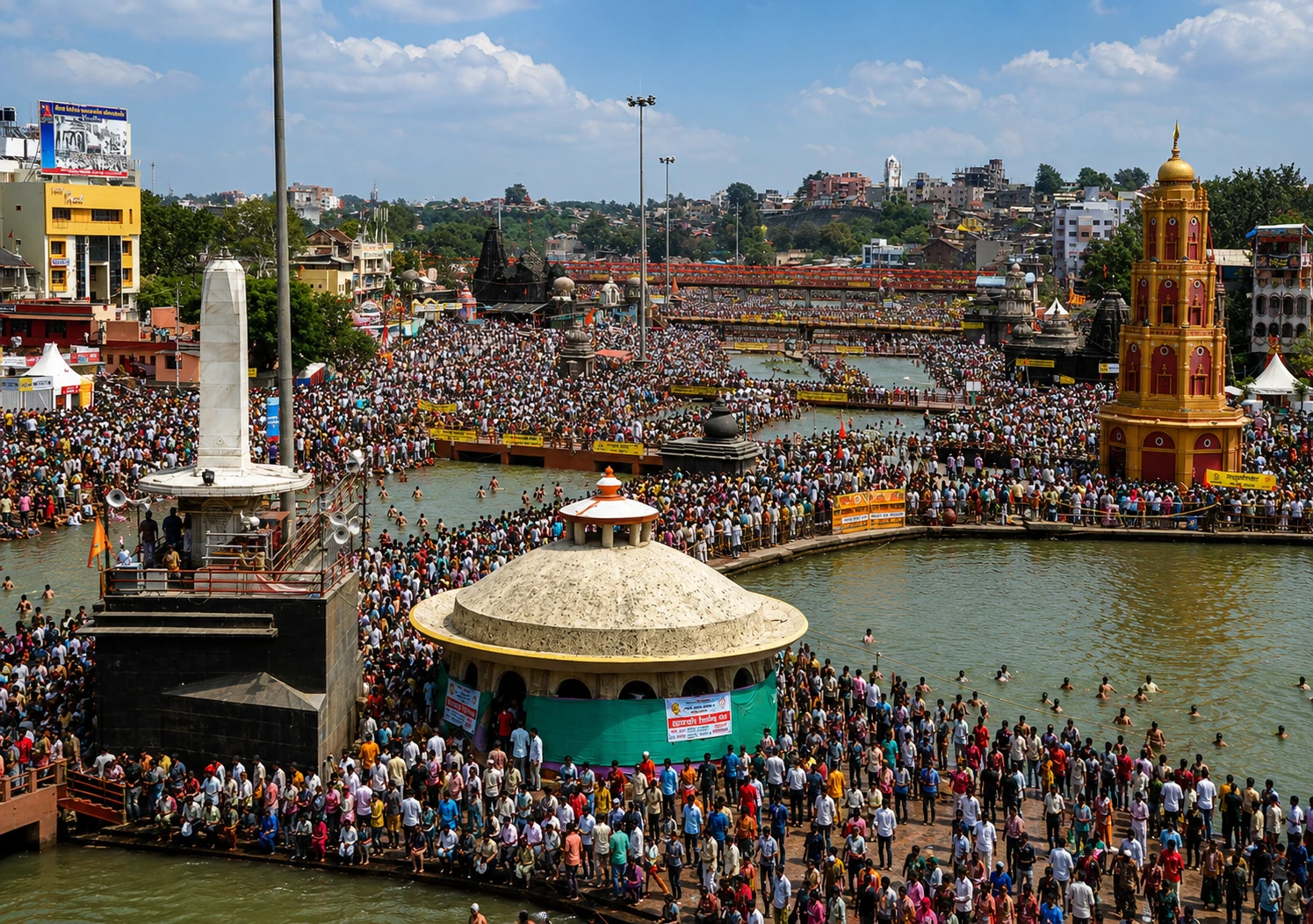
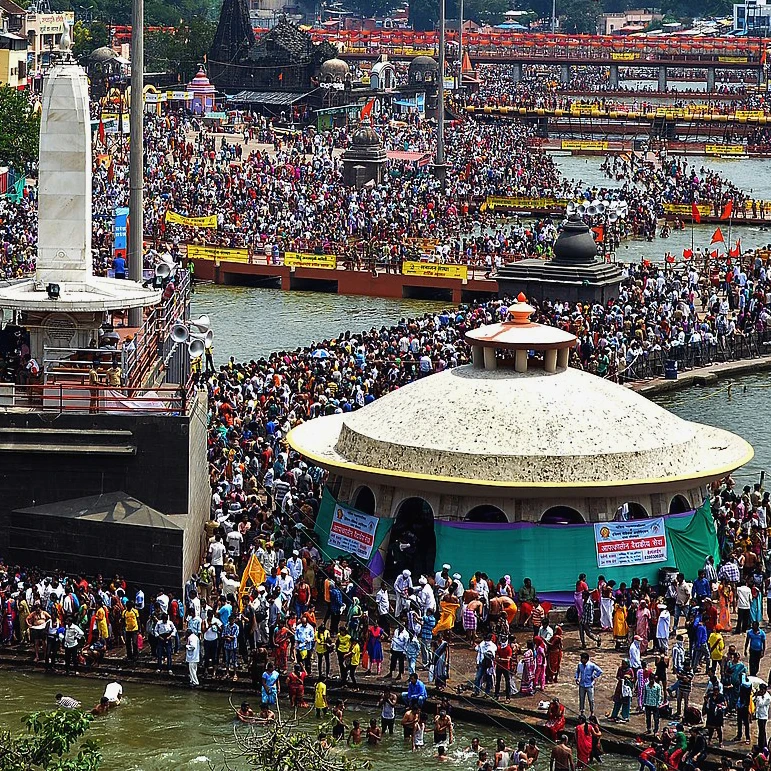
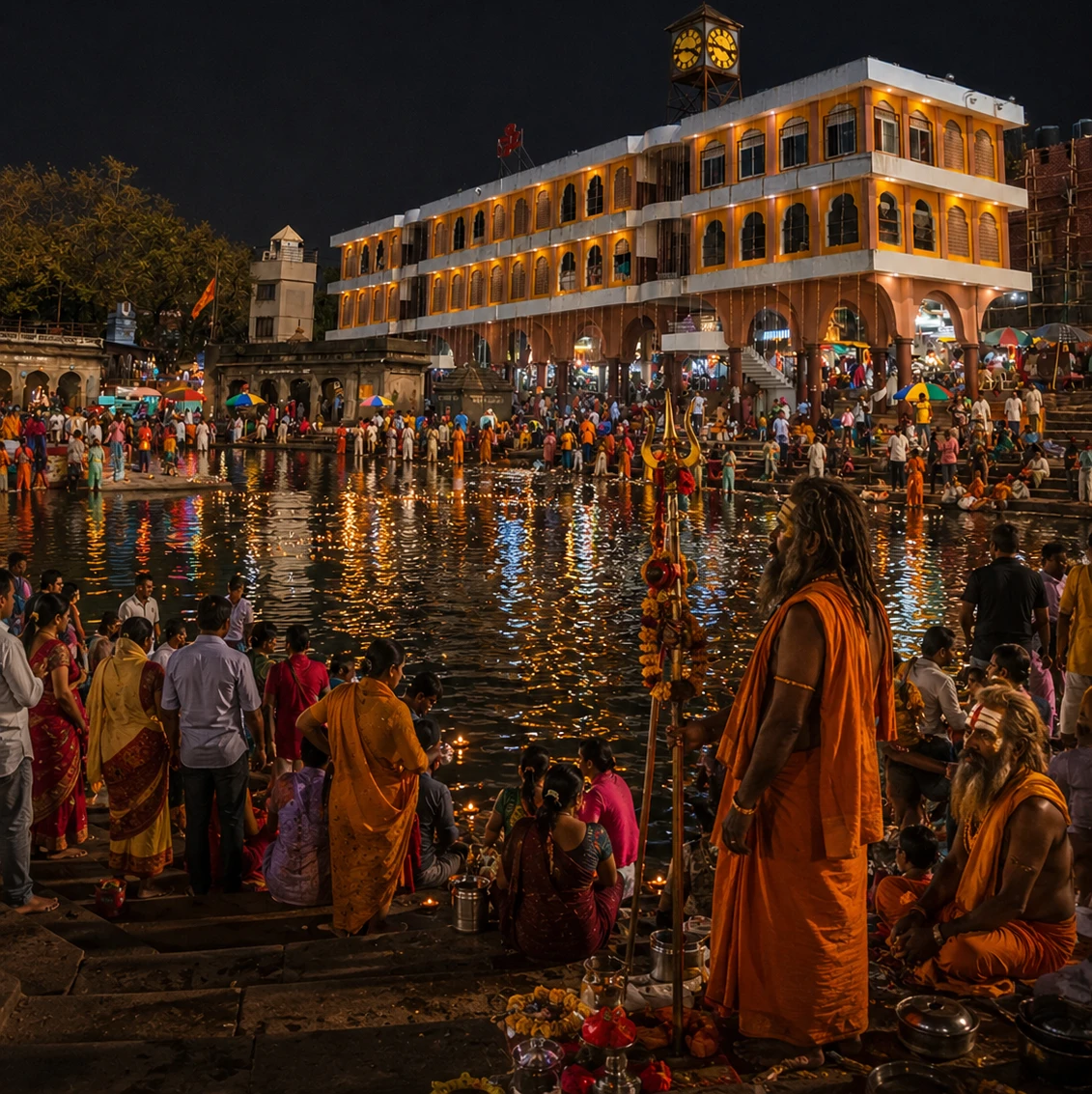
The previous Kumbh Melas in Nashik witnessed millions of pilgrims arriving from every corner of India and across the world. From the early hours of the morning, the sacred banks of the Godavari came alive with devotional chants, temple bells, and spiritual gatherings. Saints from ancient Akharas led magnificent processions, while devotees patiently awaited the auspicious moments for the holy bath.
Beyond the religious rituals, the city became a vibrant centre of culture, hospitality, and human connection, where strangers shared meals, stories, and moments of faith. For those who attended, the memories remain vivid long after the festival concluded.
A City That Grew with Every Kumbh
Each Kumbh has contributed to Nashik's development in meaningful ways. The preparations required to host millions of visitors led to improvements in roads, bridges, public spaces, transportation, sanitation, and civic infrastructure. Riverfronts were enhanced, pilgrimage routes became more accessible, and public facilities expanded to serve both visitors and residents.
Many of these developments continued to benefit the city long after the festival ended, proving that the legacy of the Kumbh extends beyond spirituality into urban growth and community development.
Preserving Ancient Traditions
Although every Kumbh takes place in a different era, its spiritual essence has remained unchanged. The grand processions of the Akharas, the sacred bathing rituals, the chanting of Vedic hymns, and the timeless atmosphere of devotion continue to connect today's pilgrims with traditions practiced for centuries.
The previous Kumbh Melas demonstrated that while cities evolve and technology advances, faith continues to preserve its original spirit. It is this remarkable continuity that makes the Kumbh one of the world's oldest living traditions.
Memories That Continue to Inspire
For many people, the most unforgettable moments of the previous Kumbh Melas were not the grand ceremonies but the quiet experiences that touched their hearts.
- Watching the sunrise over the Godavari.
- Listening to ancient hymns echo through the temples.
- Witnessing saints in silent meditation.
- Sharing conversations with pilgrims from distant places.
These simple moments remind visitors that the true beauty of the Kumbh lies not only in its scale but also in its ability to create lasting emotional and spiritual connections.
Preparing for a New Chapter in 2027
As Nashik prepares to host Simhastha Kumbh 2027, the city carries forward the lessons and experiences of its previous gatherings. Modern infrastructure, improved public services, enhanced safety measures, and sustainable planning are helping shape a Kumbh that honours tradition while meeting the needs of a new generation of pilgrims.
The foundation laid by previous Kumbh Melas continues to guide every aspect of the preparations, ensuring that the sacred spirit of the festival remains at the heart of every development.
A Legacy That Lives On
The previous Kumbh Melas were more than successful events—they became milestones in the spiritual journey of millions and important chapters in the history of Nashik. Their legacy continues to inspire devotees, strengthen cultural traditions, and shape the city's future. When the sacred conch shells sound once again and millions gather on the banks of the Godavari for Simhastha Kumbh 2027, they will not simply witness another festival.
They will become part of a tradition that has been renewed with every generation, carried forward by faith, and preserved through the timeless spirit of Nashik. The story of the Kumbh is still being written—and 2027 will mark the beginning of its next unforgettable chapter.