

How Did Nashik Get Its Name? The Fascinating Story Behind One of India's Oldest Cities
Every ancient city has a story. Some are named after kings. Some after rivers. Some after mountains. But Nashik carries a name that is deeply connected to one of the greatest epics ever written—the Ramayana.
For millions of devotees, Nashik is known as the city of the Godavari River, Trimbakeshwar Jyotirlinga, and the magnificent Simhastha Kumbh Mela. Yet behind this sacred city lies an intriguing legend that explains how it received its name centuries ago. The story takes us back to the forests of Panchavati, where Lord Rama, Goddess Sita, and Lord Lakshmana lived during their exile.
The Ramayana Connection
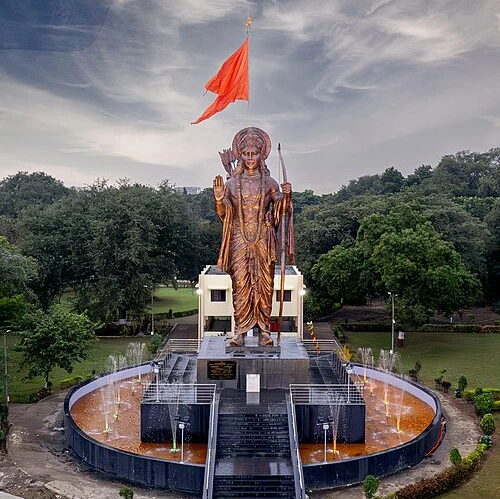
According to the Ramayana, Lord Rama spent a significant part of his fourteen-year exile in the forests of Panchavati, located in present-day Nashik. The peaceful surroundings along the Godavari River became the home of Rama, Sita, and Lakshmana. It was here that several important events unfolded—events that would eventually shape the course of the entire epic. Among them was the famous encounter with Surpanakha, the sister of Ravana. This single incident is believed to have given Nashik its name.
The Story of Surpanakha
One day, Surpanakha arrived in Panchavati and was captivated by Lord Rama. When Rama gently declined her proposal, she approached Lakshmana instead. Rejected once again, Surpanakha became furious and attempted to harm Goddess Sita. To protect Sita, Lakshmana intervened.
According to the Ramayana, he cut off Surpanakha's nose as a punishment for her actions. This dramatic event became one of the turning points of the epic, eventually leading to Ravana's revenge and the abduction of Sita.
From "Nasika" to Nashik
The Sanskrit word "Nasika" means "nose." According to popular tradition, the place where Surpanakha lost her nose came to be known as Nasika. Over centuries, through linguistic evolution and regional pronunciation, Nasika gradually became Nashik.
This explanation is the most widely accepted and deeply rooted in local tradition, making the city's name inseparable from the Ramayana. Even today, visitors to Panchavati are reminded of this legendary connection.
More Than Just a Legend
While mythology offers the most popular explanation, historians believe that Nashik has also been mentioned in ancient inscriptions and historical records using variations such as Nasik, Nasika, and Nasikya.
These references appear in inscriptions dating back to the Satavahana period, more than 2,000 years ago, indicating that the city has been an important centre of culture, trade, and spirituality since ancient times. Whether viewed through mythology or history, the name has endured across centuries.
Panchavati – Where the Story Lives On
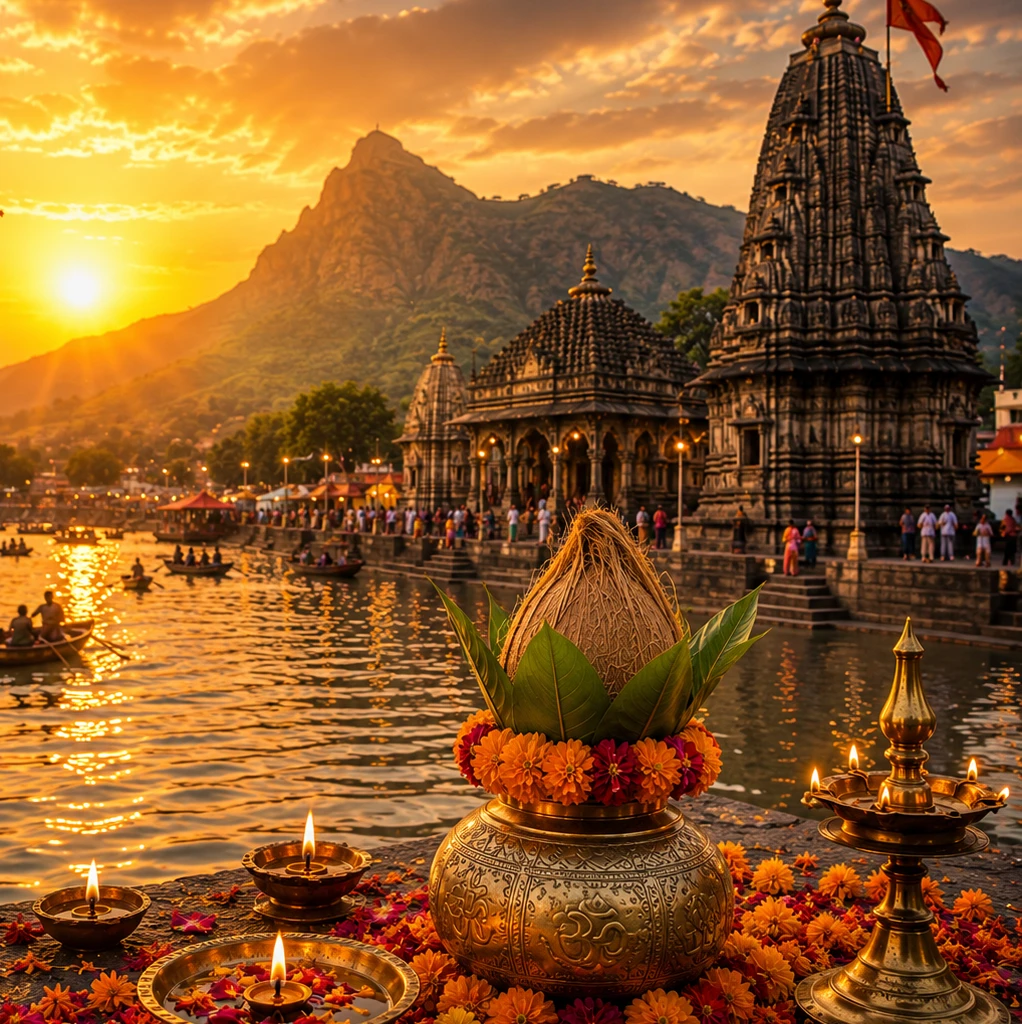
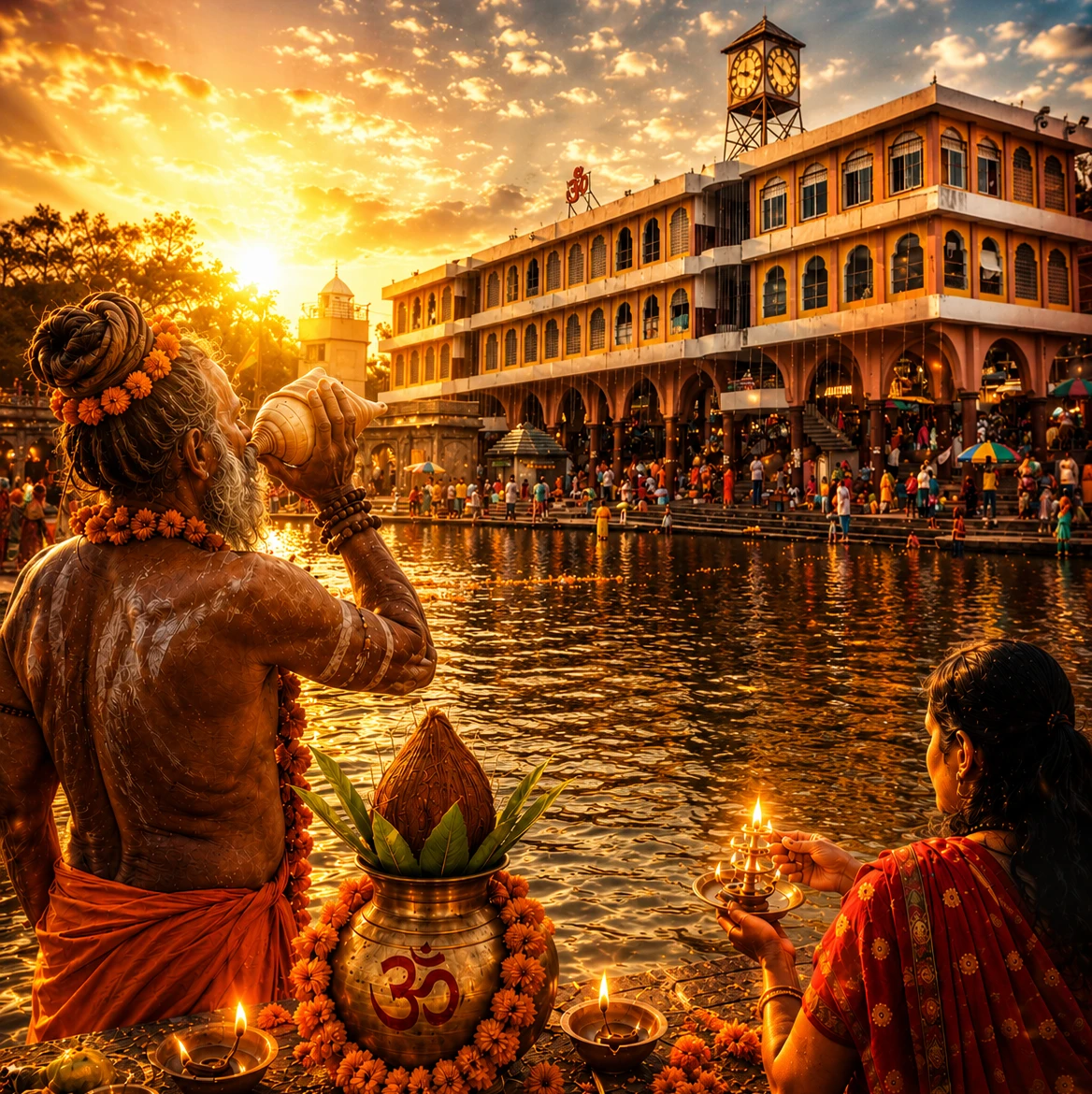
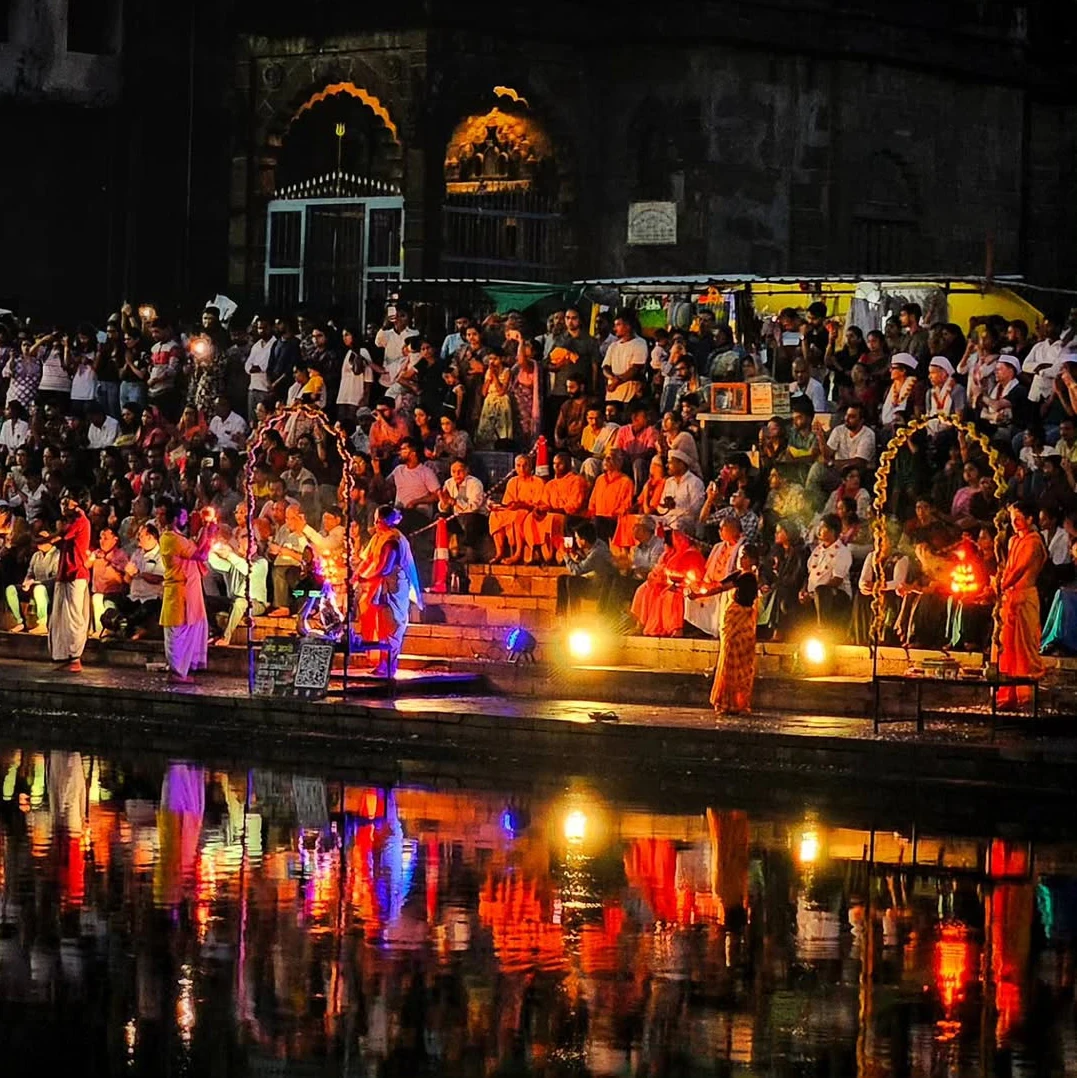
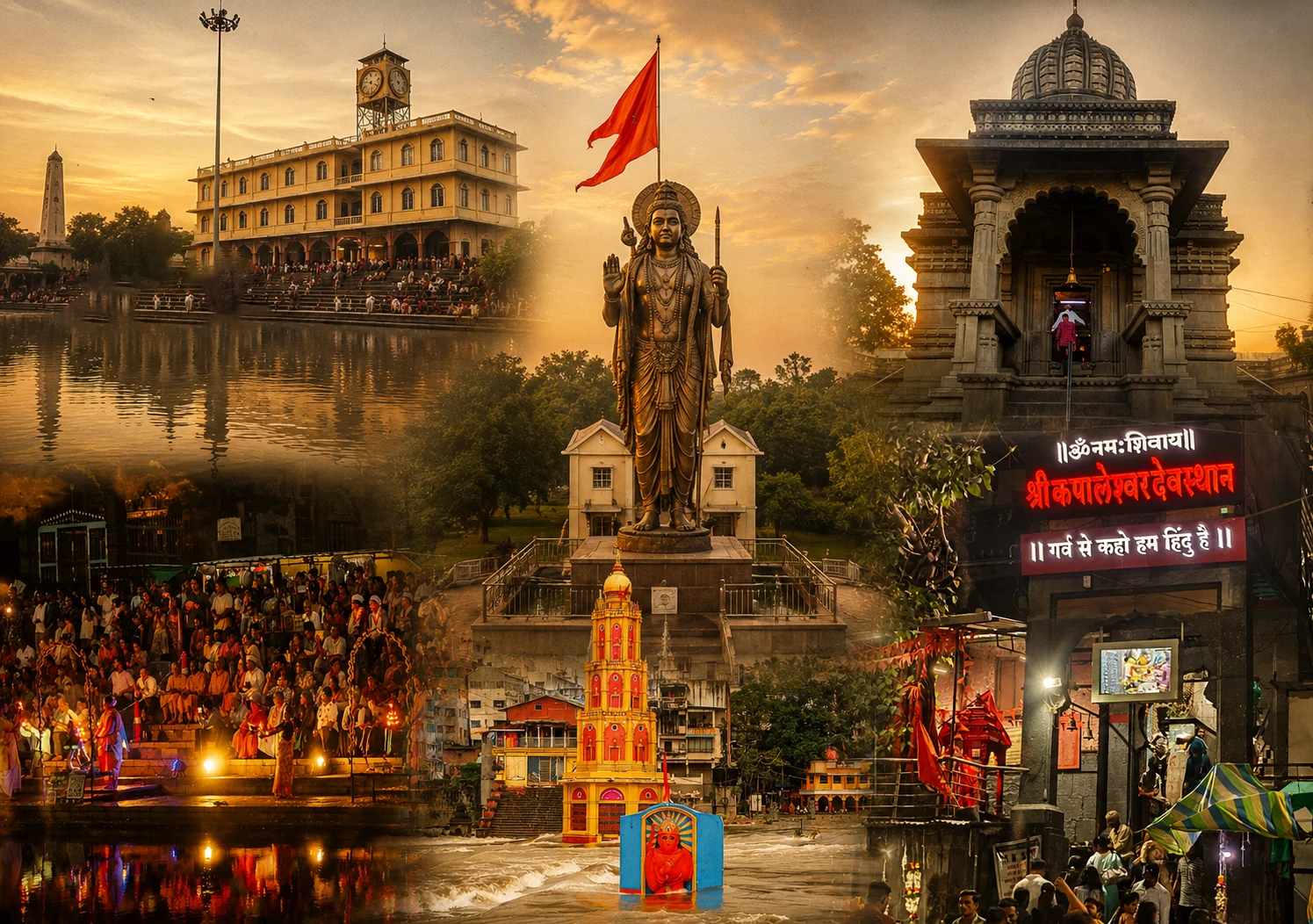
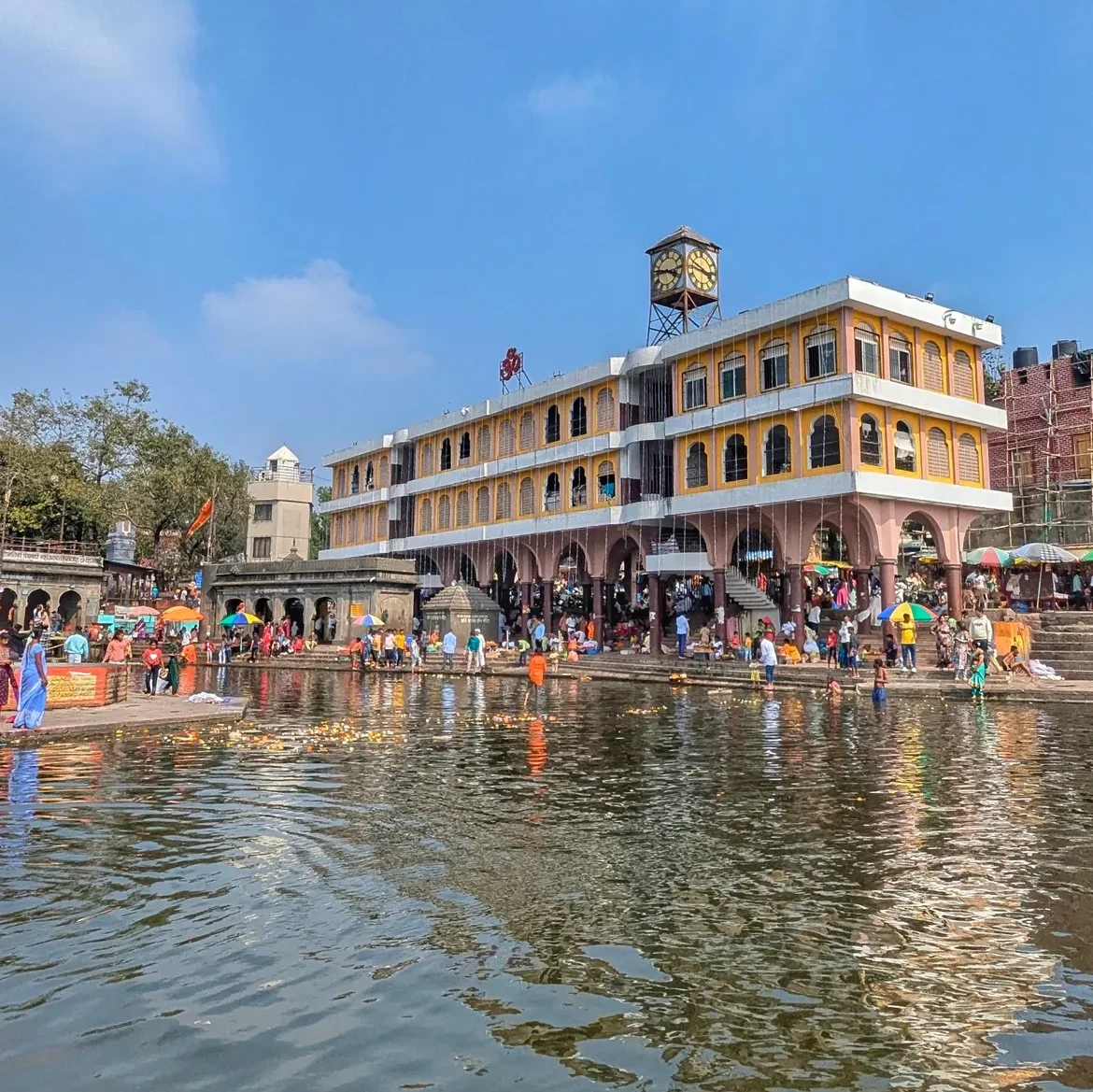
Today, the story of Nashik's name is closely associated with Panchavati, one of the city's most sacred areas. Pilgrims visiting Sita Gufa, Ramkund, Kalaram Temple, and Kapaleshwar Temple are also walking through the very landscape where the Ramayana is believed to have unfolded.
The temples, sacred ghats, and ancient traditions preserve these stories, ensuring that the city's legendary origins remain alive for future generations. In Nashik, mythology is not confined to books—it continues to live in the city's everyday life.
A Name That Reflects a Timeless Legacy
Over thousands of years, Nashik has become much more than the place associated with Surpanakha's story. It has grown into one of India's holiest pilgrimage destinations. It is home to the sacred Godavari River. It hosts the world-famous Simhastha Kumbh Mela. It welcomes millions of devotees to Trimbakeshwar Jyotirlinga. It is also recognised today as the Wine Capital of India and one of Maharashtra's fastest-growing cities.
Yet despite its remarkable transformation, the city's ancient name continues to remind the world of its timeless connection with the Ramayana.
Every Name Has a Story
Many cities have names. Very few have legends. Nashik's name carries with it a story of courage, righteousness, and one of the most significant moments in the Ramayana. It reminds us that places are not remembered only because of their geography. They are remembered because of the stories they preserve.
As you walk through the streets of Panchavati, stand beside the sacred Godavari, or visit the temples during Nashik Kumbh 2027, remember that you are not just visiting a city. You are walking through a place whose very name has echoed through Indian history and mythology for thousands of years. Nashik is more than a name. It is a timeless symbol of India's spiritual heritage, where every chapter of the past continues to inspire the present.