

Nashik Kumbh: One of the World's Largest Spiritual Gatherings
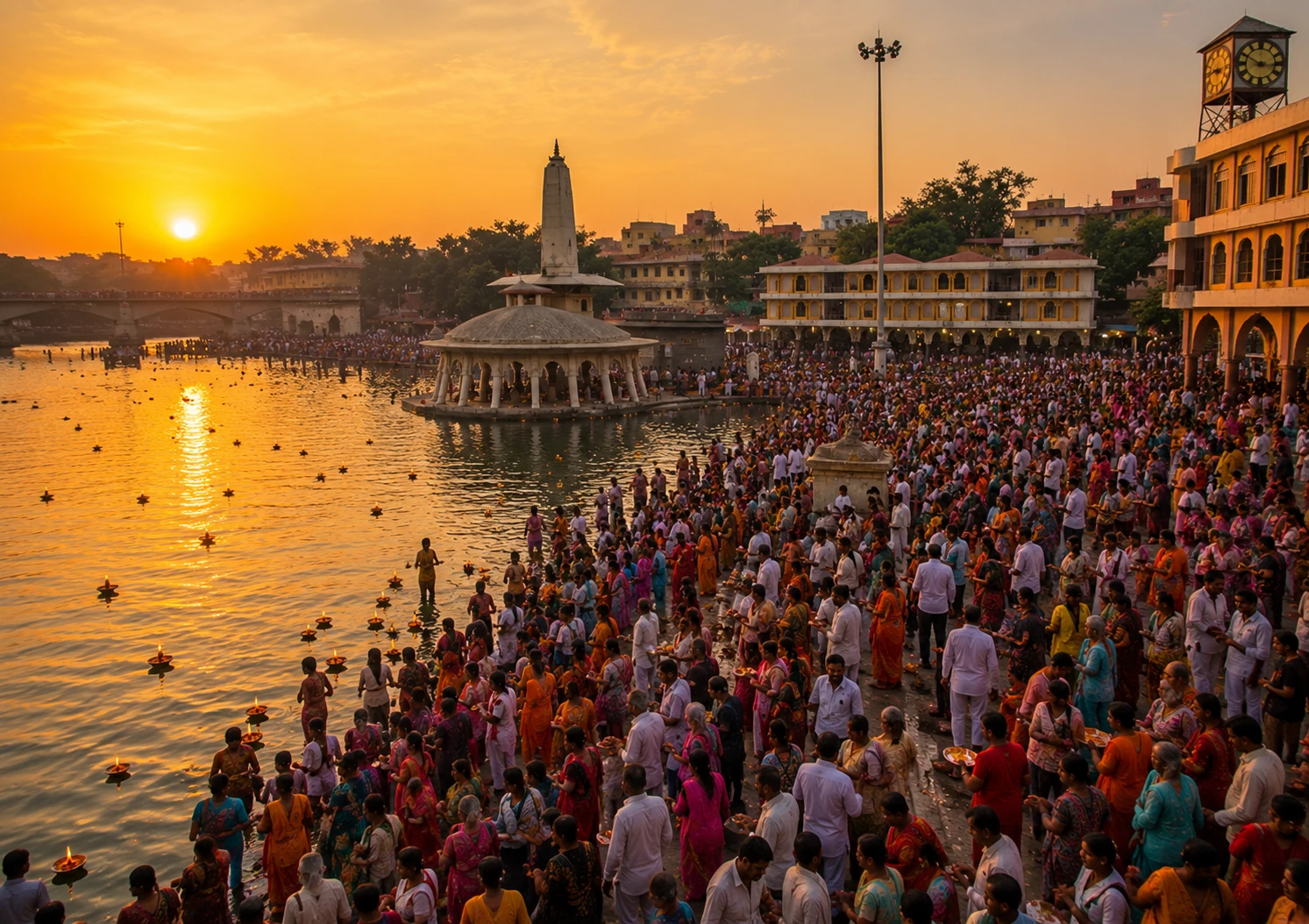
Some events are measured by the number of people they attract. Others are remembered for the emotions they create. The Nashik Kumbh is extraordinary because it is both. Once every twelve years, the ancient city of Nashik becomes the meeting point of millions of pilgrims, saints, scholars, seekers, photographers, and travellers from around the world. They gather not for entertainment, competition, or celebration in the ordinary sense, but to take part in a spiritual tradition that has endured for centuries.
Recognized as one of the largest spiritual gatherings on Earth, the Kumbh Mela is a remarkable example of how faith can unite humanity beyond borders, languages, and cultures. It is a place where ancient traditions continue to thrive, where spirituality becomes a shared experience, and where every visitor becomes part of a story that has been unfolding for thousands of years.
A Gathering Beyond Imagination
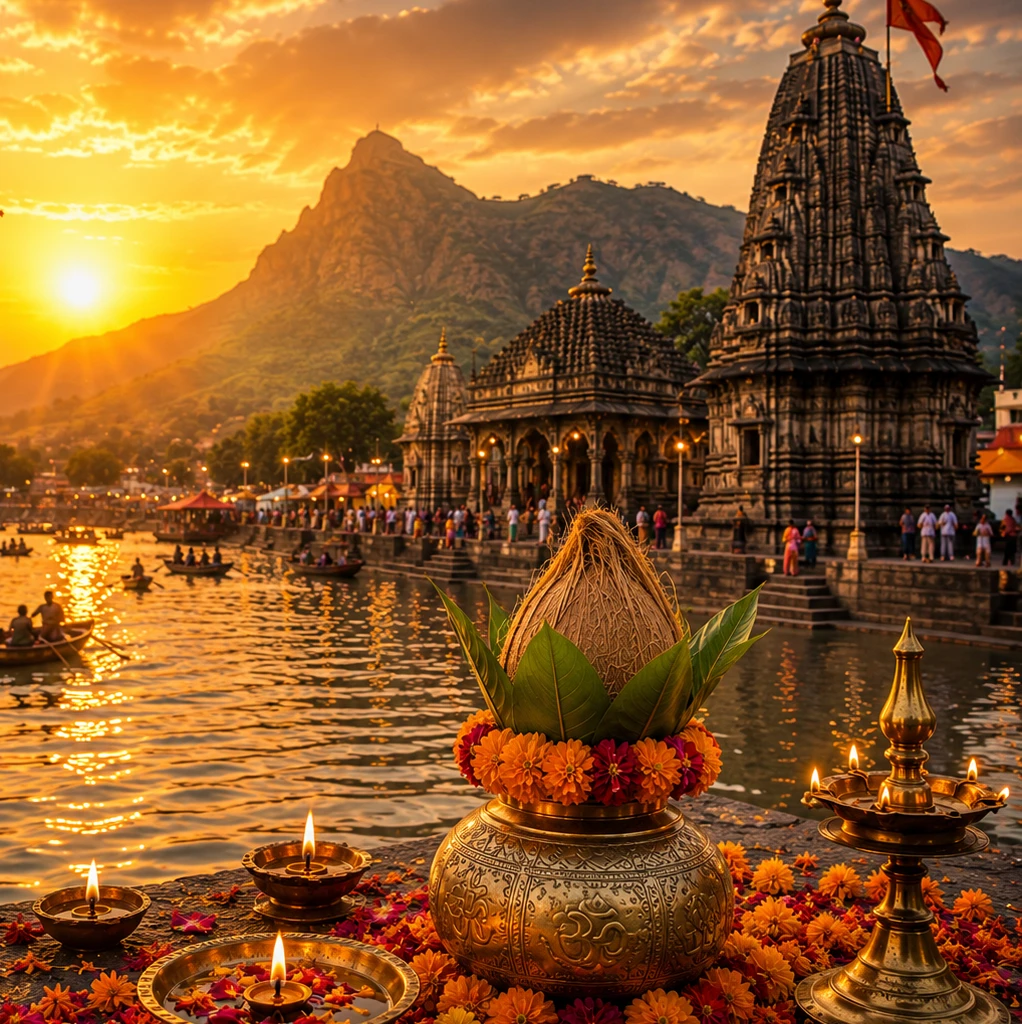
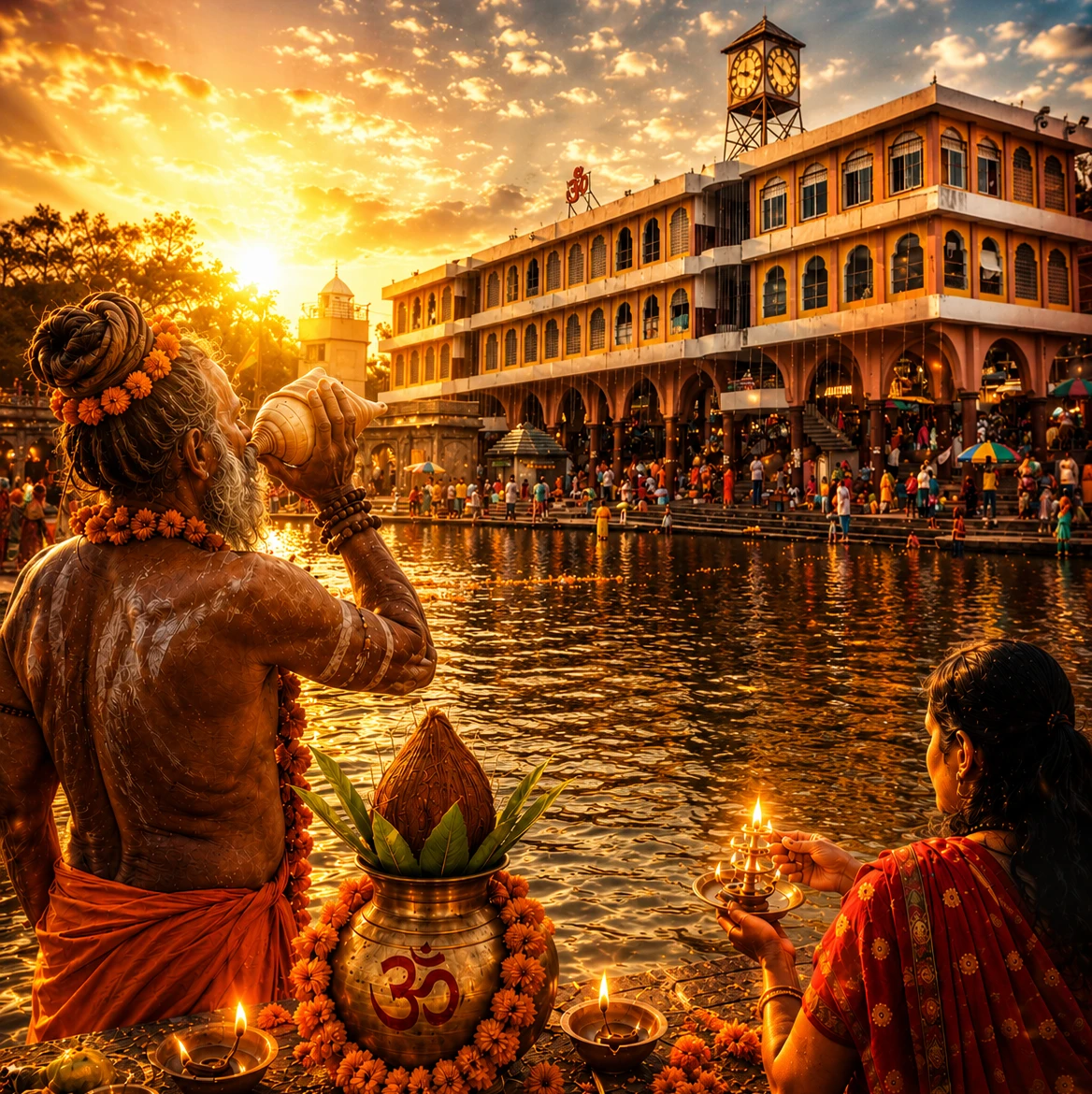
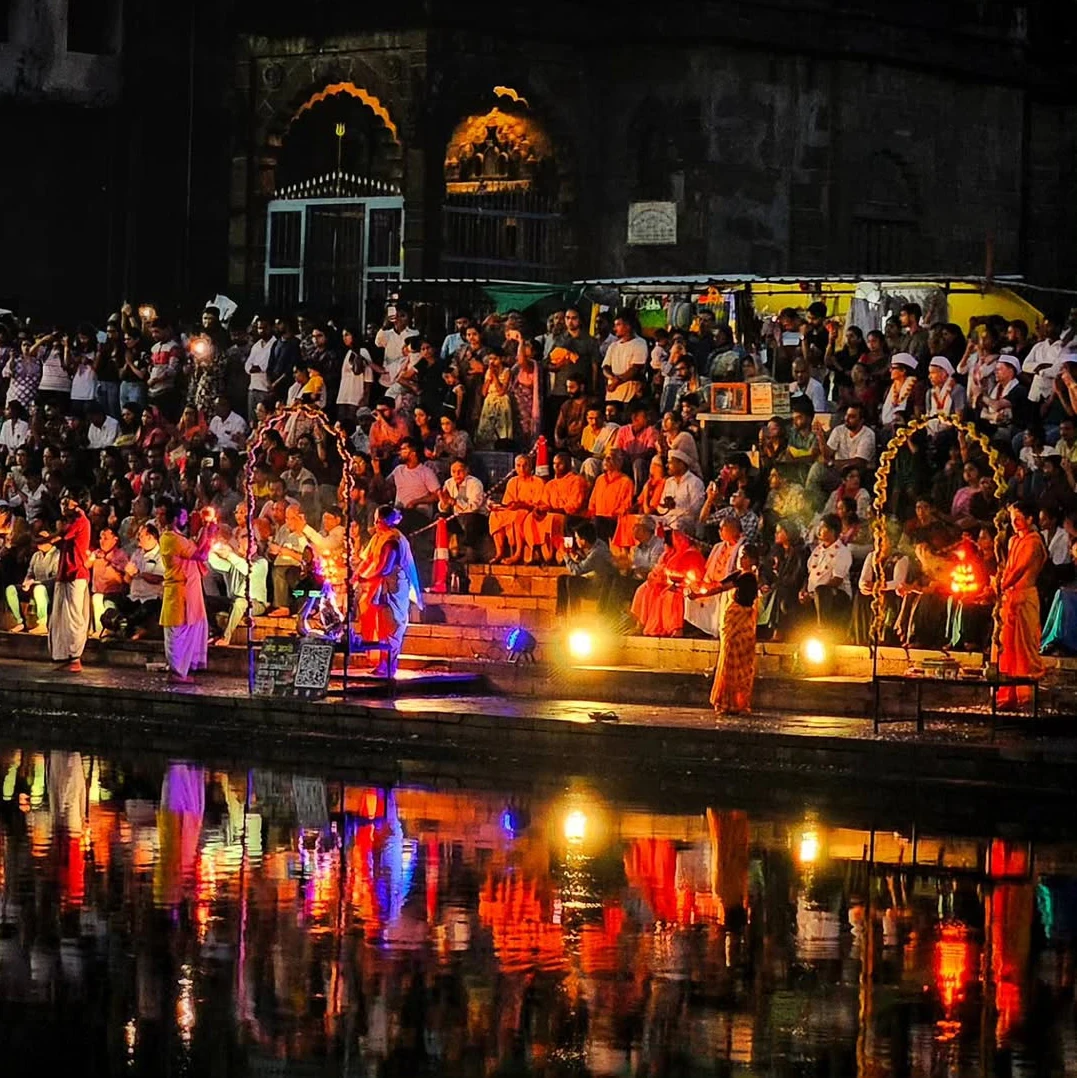
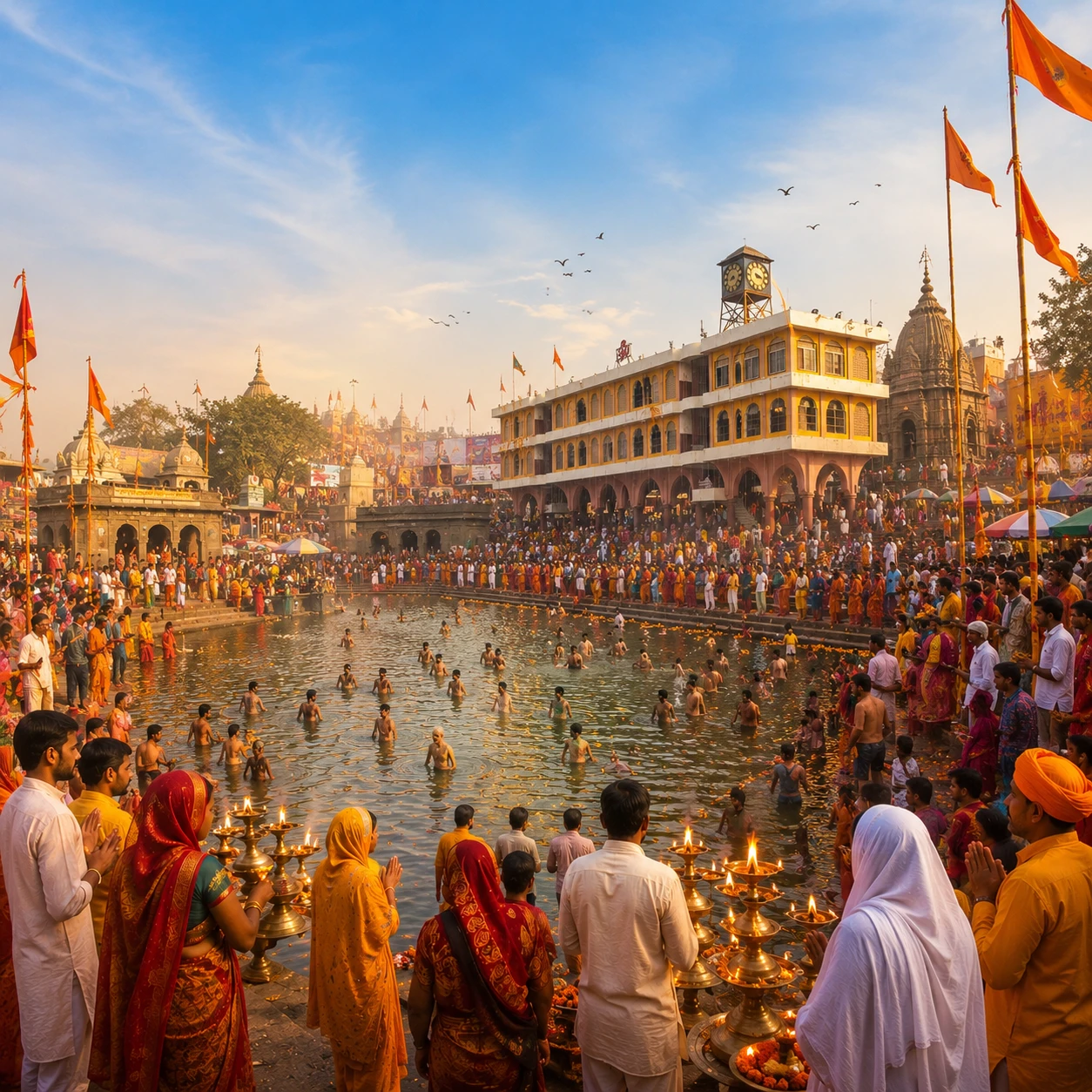
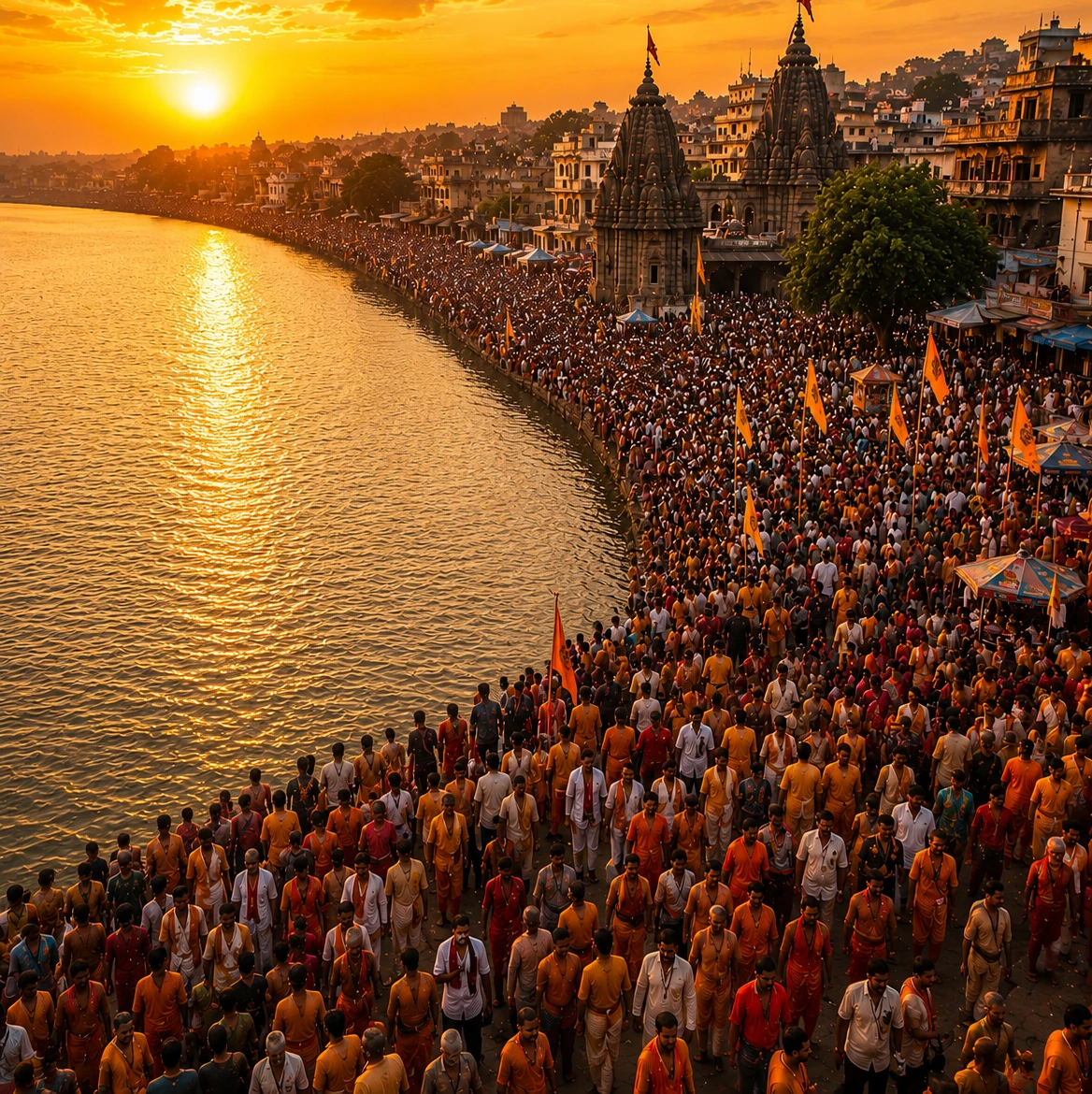
It is difficult to imagine a city transforming into a sacred destination for millions of people almost overnight. As the auspicious days of the Kumbh approach, Nashik begins to awaken long before sunrise. The banks of the Godavari fill with pilgrims carrying prayers in their hearts, temples resonate with ancient chants, and the city welcomes people from every corner of India and across the world.
Despite the unimaginable scale of the gathering, what stands out most is not the crowd—but the sense of order, devotion, and shared purpose that binds everyone together. Every individual arrives with a personal journey, yet together they create one of humanity's most inspiring collective experiences.
A Tradition That Time Could Never Fade
Many festivals evolve with time. Some disappear altogether. The Kumbh Mela has done something extraordinary—it has preserved its spiritual essence while continuing to grow across generations. Its origins are rooted in the ancient legend of Samudra Manthan, yet its significance extends far beyond mythology.
For centuries, kings, saints, scholars, and ordinary devotees have travelled to the sacred Kumbh cities, carrying forward traditions that remain remarkably unchanged even today. The festival is a living reminder that true heritage is not preserved in monuments alone—it survives through people who continue to believe, practice, and pass it on.
Where Humanity Walks Together
Perhaps the most beautiful aspect of the Nashik Kumbh is that everyone walks the same path. A farmer from a small village, A family fulfilling a lifelong pilgrimage, A spiritual teacher sharing timeless wisdom, A photographer documenting history, A traveller experiencing India for the very first time, Their languages may differ, Their journeys may be different.
But on the sacred banks of the Godavari, they become part of the same story. The Kumbh quietly teaches that faith has the unique ability to unite humanity without asking who we are or where we come from.
More Than a Religious Festival
Calling the Kumbh merely a religious gathering would never capture its true spirit. It is also a celebration of India's cultural heritage. Traditional music fills the streets. Ancient philosophies are discussed openly. Artists preserve centuries-old traditions through their craft.
Volunteers serve countless visitors with humility, while saints continue spiritual practices that have been passed down for generations. Every moment reflects values that have shaped Indian civilization for centuries—service, compassion, discipline, knowledge, and respect for all. The Kumbh becomes a living classroom where spirituality and culture exist side by side.
A City That Welcomes the World
Among the four sacred Kumbh destinations, Nashik offers an experience unlike any other. The sacred Godavari River, the revered Trimbakeshwar Jyotirlinga, and the city's deep connection with the Ramayana create a spiritual landscape where mythology and history naturally come together. During Simhastha Kumbh 2027, these sacred places will once again welcome millions of visitors, offering not just rituals to observe but experiences to cherish.
For many international travellers, the Kumbh becomes their first introduction to India's spiritual depth and cultural richness. For countless pilgrims, it is a long-awaited homecoming.
More Than Numbers, A Legacy
The greatness of the Kumbh has never been defined solely by how many people attend. Its true legacy lies in the traditions it protects, the faith it nurtures, and the hope it inspires. Every generation experiences the Kumbh in its own way, yet the message remains unchanged—that humanity is strongest when it gathers not in conflict, but in compassion, devotion, and shared purpose. Few places in the world demonstrate this more beautifully than Nashik.
An Invitation to Witness History
As Simhastha Kumbh 2027 approaches, another chapter of this extraordinary tradition is about to unfold. Millions will arrive seeking blessings. Others will come searching for knowledge, inspiration, or cultural discovery. Yet everyone will leave carrying something far more valuable than memories.
They will leave knowing they have witnessed one of the world's greatest living traditions—a gathering where faith transcends boundaries, culture connects generations, and humanity comes together in its purest form. That is the enduring legacy of Nashik Kumbh. And that is why it continues to be recognized as one of the world's largest and most remarkable spiritual gatherings.