

Panchavati: Walking Through the Sacred Land of the Ramayana
Some places preserve history. Some preserve memories. And a few preserve legends that continue to inspire millions across generations. Panchavati, nestled in the heart of Nashik, is one such sacred destination. Revered as one of the most important locations in the Ramayana, Panchavati is believed to be the place where Lord Rama, Goddess Sita, and Lord Lakshmana spent a significant part of their fourteen-year exile.
Today, centuries later, the same land continues to welcome pilgrims, devotees, and travellers who come not only to visit ancient temples but to experience the living legacy of one of India's greatest epics. During Nashik Kumbh 2027, Panchavati becomes an integral part of the spiritual journey, connecting visitors with stories that have shaped India's cultural and spiritual identity for thousands of years.
Where the Ramayana Comes Alive
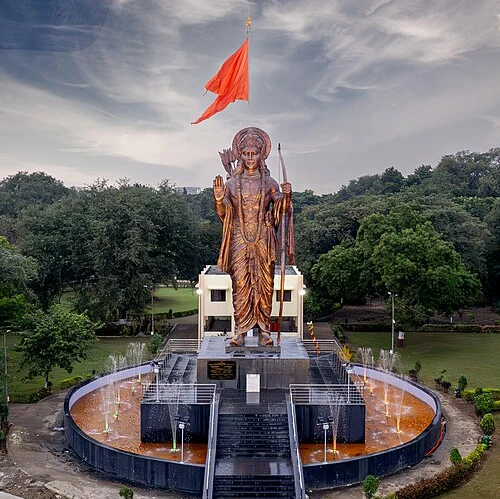
Unlike mythological stories that remain confined to books, the Ramayana continues to live through the sacred landscapes of Panchavati. Walking through its narrow lanes, ancient temples, and peaceful ghats, visitors encounter places that are deeply woven into the epic's narrative. It is here that Lord Rama built his humble dwelling during exile.
It is here that Goddess Sita spent peaceful days surrounded by forests and the flowing Godavari. And it is here that some of the Ramayana's most significant events unfolded, forever linking Nashik with one of India's most revered spiritual traditions. Every step through Panchavati feels like walking through the pages of history.
Why Is It Called Panchavati?
The name Panchavati comes from two Sanskrit words—"Pancha", meaning five, and "Vati", meaning a grove or cluster of trees. According to tradition, this sacred forest was once home to five magnificent banyan trees, creating a peaceful environment where Lord Rama, Sita, and Lakshmana chose to reside during their exile.
Although the ancient forest has gradually transformed into a vibrant pilgrimage town, the spiritual significance of Panchavati remains unchanged. The name continues to symbolize simplicity, harmony, and devotion.
Sacred Places That Tell Timeless Stories
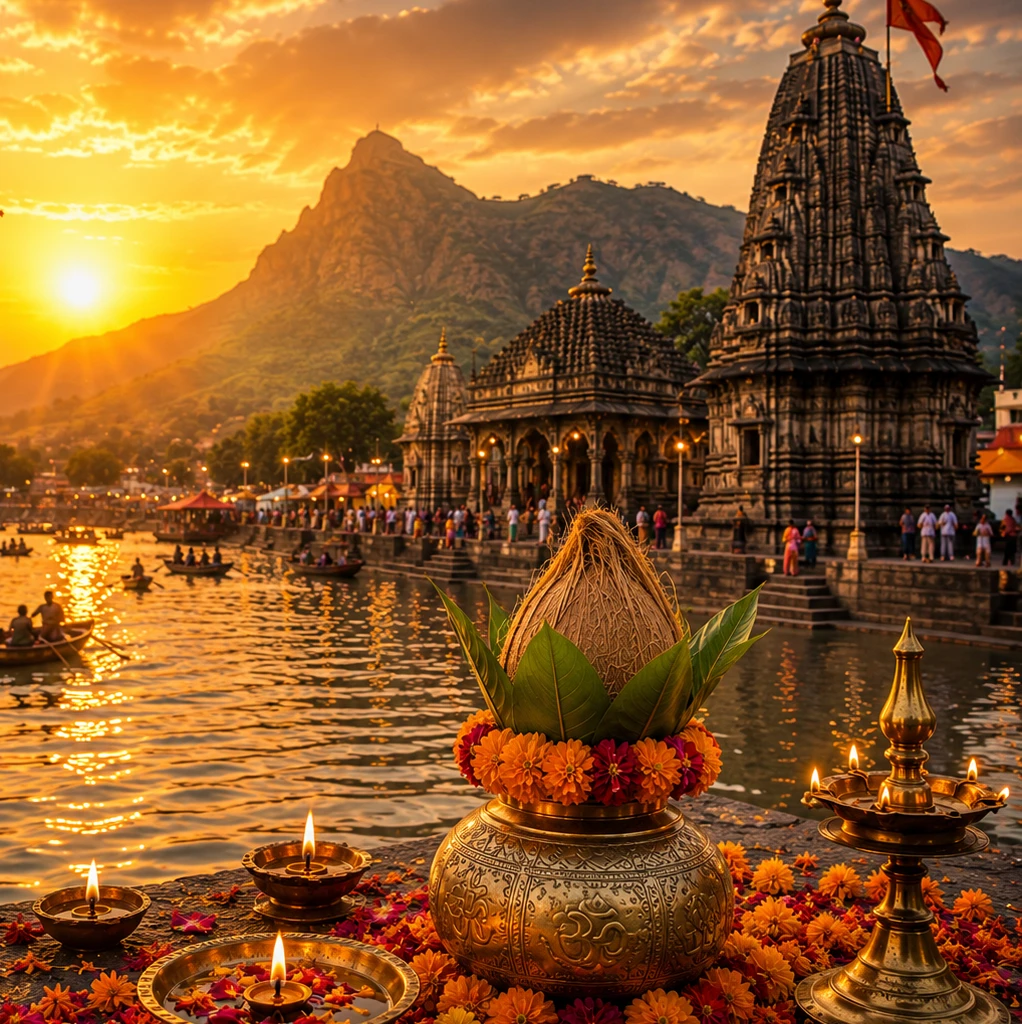
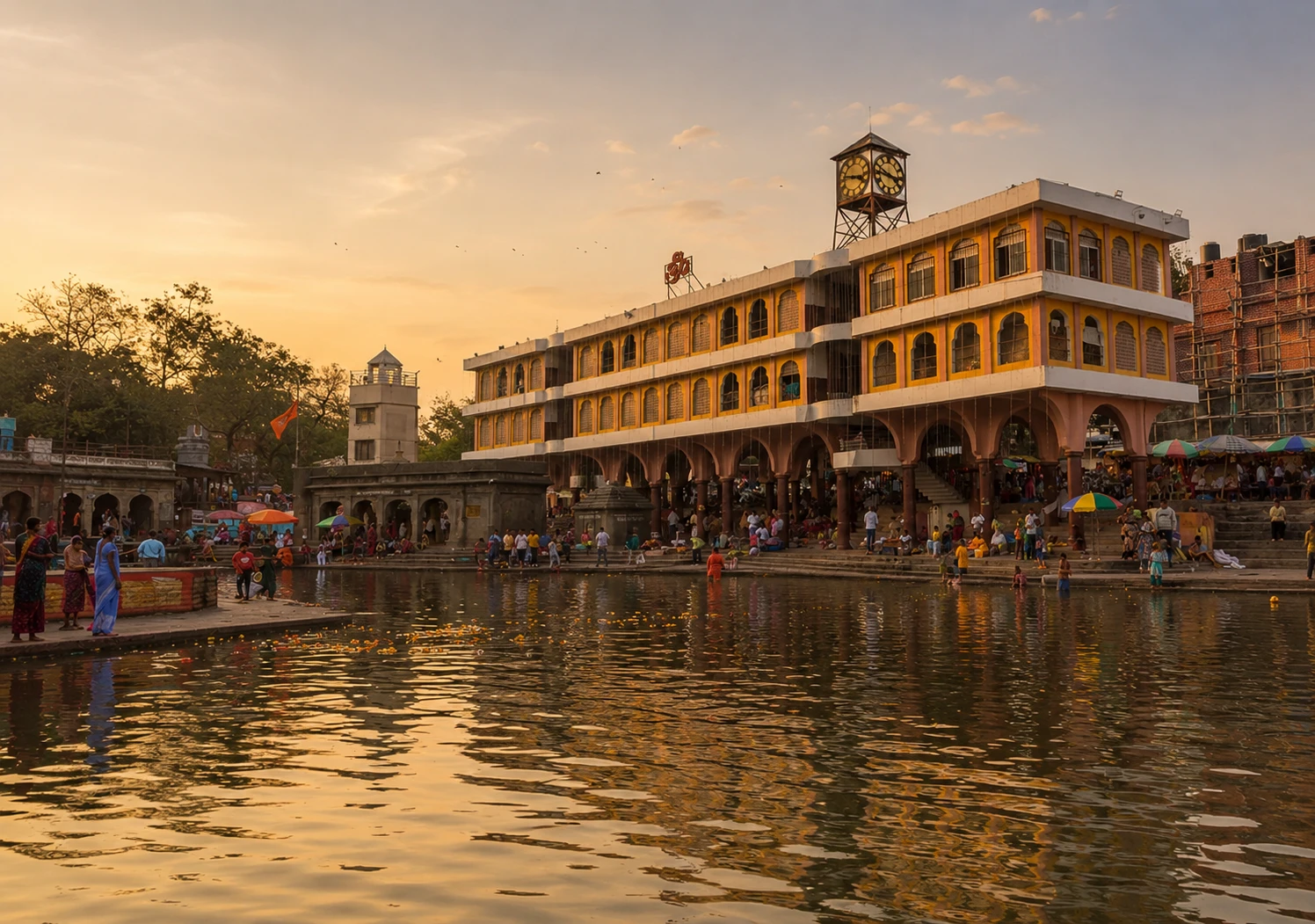
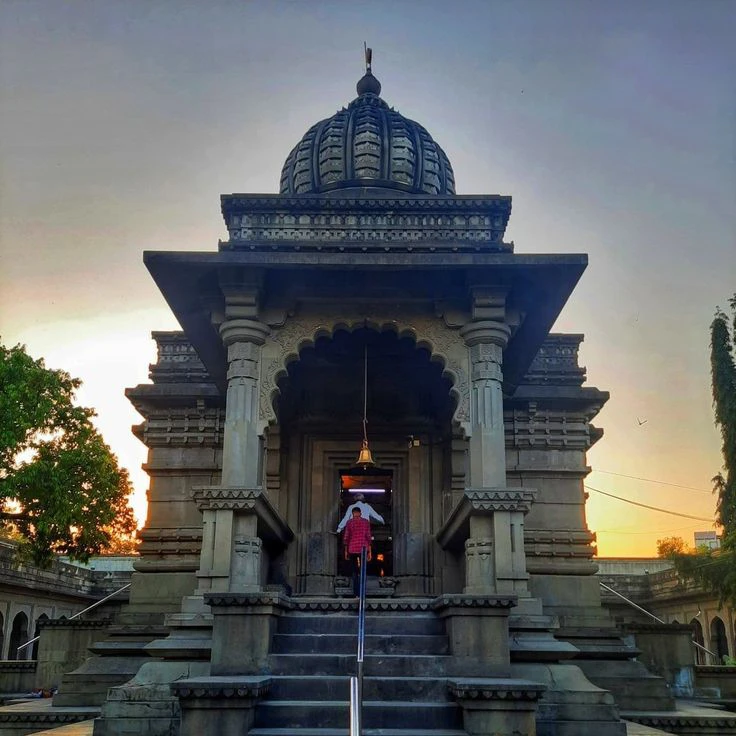
Panchavati is not defined by a single monument but by a collection of sacred sites that together narrate the story of the Ramayana. Sita Gufa, believed to be the cave where Goddess Sita worshipped, remains one of the most visited places in Nashik. Ramkund, situated on the banks of the Godavari River, is regarded as one of the holiest ghats, where devotees continue to perform rituals and offer prayers.
Nearby temples dedicated to Lord Rama, Lakshmana, Hanuman, and other deities preserve centuries-old traditions that continue to attract pilgrims throughout the year. Together, these sacred landmarks transform Panchavati into a living spiritual landscape.
More Than a Pilgrimage
Although Panchavati is deeply connected with Hindu mythology, its appeal extends far beyond religious devotion. History enthusiasts admire its centuries-old temples and traditional architecture. Photographers capture the beauty of the ancient ghats and vibrant festivals. Writers and artists find inspiration in the timeless stories associated with the land. Travellers experience a rare combination of spirituality, heritage, and culture that few places in India can offer. Every visitor discovers a different side of Panchavati.
Panchavati During Nashik Kumbh
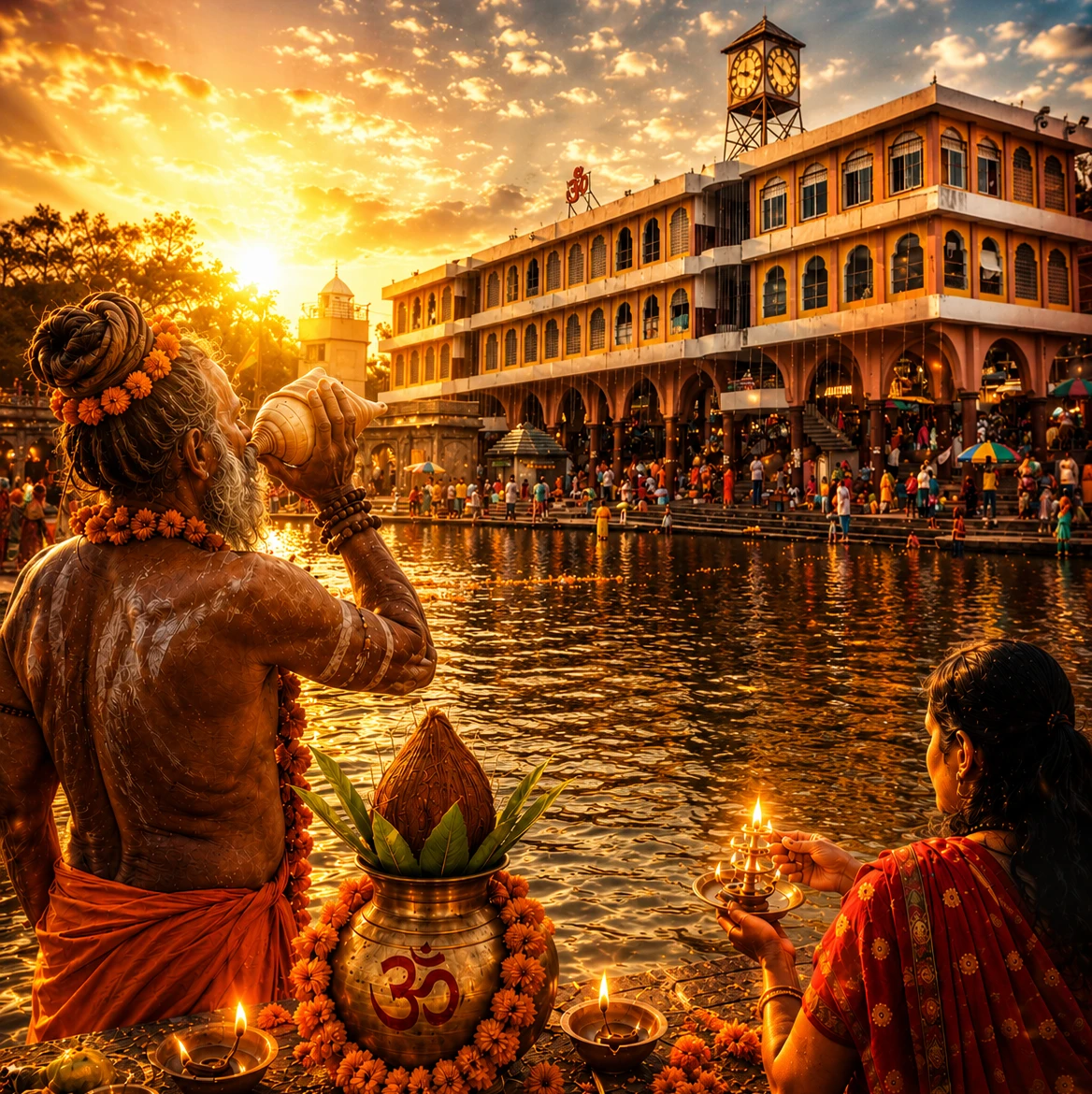
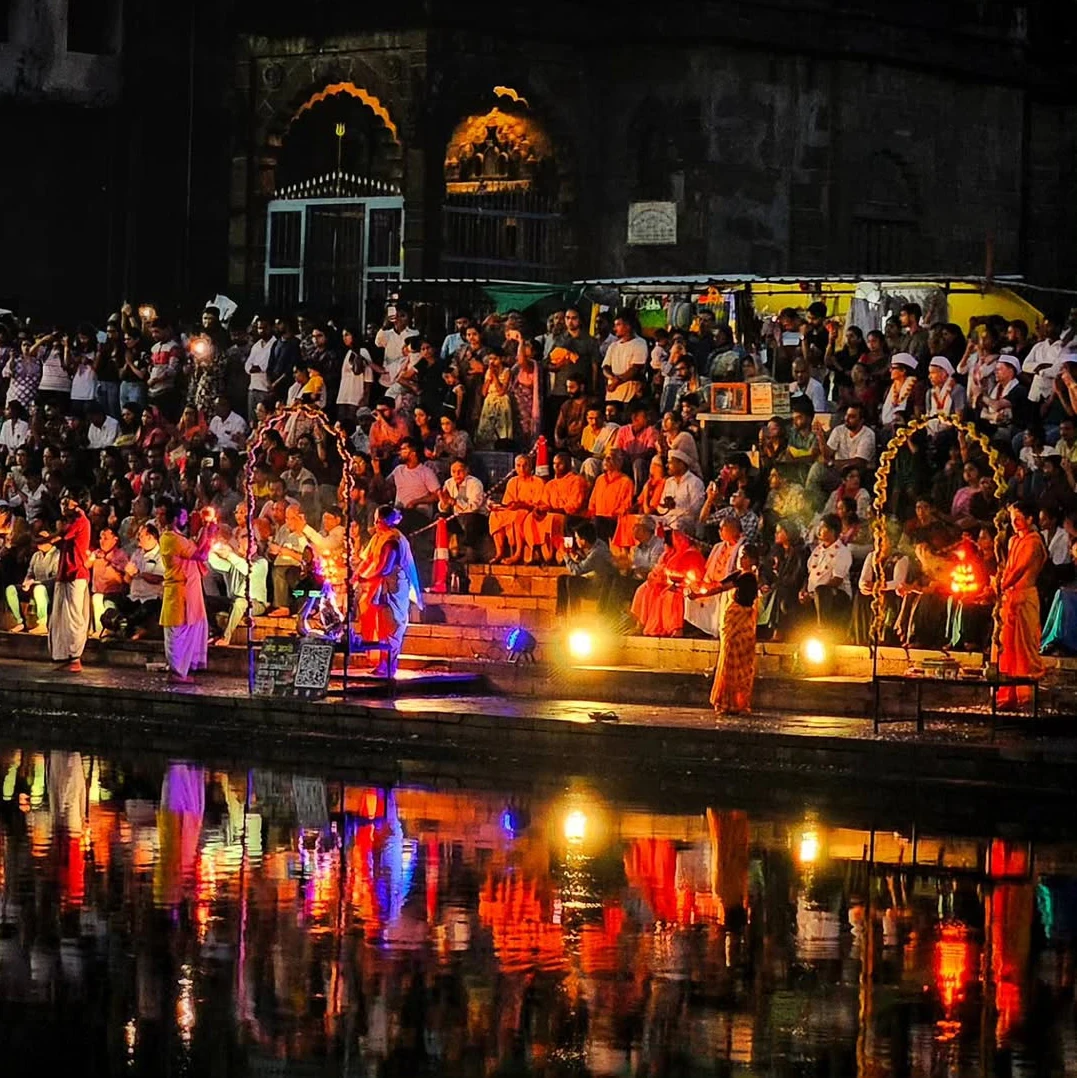
During Simhastha Kumbh, Panchavati becomes one of the most vibrant spiritual centres of Nashik. Pilgrims visiting the Godavari for the sacred bath often continue their journey through Panchavati, offering prayers at its temples and exploring the places connected with the Ramayana. The streets come alive with devotional chants, spiritual gatherings, cultural activities, and thousands of visitors eager to experience the sacred heritage of the city. The atmosphere beautifully reflects the harmony between the Kumbh tradition and the timeless stories of Lord Rama.
Where Faith Meets History
What makes Panchavati truly extraordinary is the seamless connection between mythology, history, and everyday life. The temples are not preserved as monuments—they continue to be places of active worship. The stories of the Ramayana are not remembered only during festivals—they remain part of the daily lives of local communities.
The Godavari continues to flow as it has for centuries, silently witnessing generations of pilgrims who arrive with prayers in their hearts. This living continuity makes Panchavati one of India's most meaningful pilgrimage destinations.
A Journey Beyond Time
Visiting Panchavati is more than sightseeing. It is an opportunity to experience a place where ancient stories still breathe through every temple, every sacred path, and every riverbank. Whether you arrive seeking spiritual blessings, historical understanding, or simply a deeper appreciation of India's cultural heritage, Panchavati offers an experience that remains long after the journey ends. As Nashik Kumbh 2027 welcomes the world, Panchavati will once again remind millions that faith is not confined to the past.
It continues to live wherever stories are remembered, traditions are preserved, and devotion is passed from one generation to the next. Panchavati is not merely a destination on the map of Nashik. It is one of the timeless chapters of the Ramayana, still waiting to be experienced.