

Panchavati: The Sacred Land That Still Echoes with the Ramayana
Some places are admired for their beauty. Some are celebrated for their history. And then there are places where mythology, faith, and history come together so seamlessly that every step feels like walking through the pages of an epic. Panchavati, in the heart of Nashik, is one such place. Nestled along the sacred banks of the Godavari River, Panchavati is believed to be the very land where Lord Rama, Goddess Sita, and Lord Lakshmana spent a significant part of their fourteen-year exile. It is here that some of the most important events of the Ramayana unfolded—events that changed the course of the epic and continue to inspire millions across generations.
Even today, Panchavati is not merely remembered as a historical or mythological location. It remains a living pilgrimage where faith continues to thrive, temples continue to welcome devotees, and ancient stories still resonate in every corner.
Why Panchavati Holds a Special Place in the Ramayana
When Lord Rama accepted fourteen years of exile, he travelled across forests, rivers, and mountains before eventually reaching the peaceful region along the Godavari River. Drawn by its natural beauty, abundant forests, flowing river, and serene surroundings, Lord Rama chose this place as his home during exile. The area was known for its grove of five sacred banyan trees, giving it the name Panchavati—derived from the Sanskrit words Pancha (five) and Vati (grove)
It was here that the royal family lived a simple life, surrounded by nature, far removed from the grandeur of Ayodhya. Little did they know that this peaceful forest would soon become the setting for some of the Ramayana's most significant events.
Where the Story Took a Dramatic Turn
Panchavati is remembered not only as the home of Lord Rama during exile but also as the place where the story of the Ramayana changed forever. According to tradition, it was here that Surpanakha, the sister of Ravana, encountered Lord Rama and Lakshmana. Her actions eventually led to the confrontation that resulted in Lakshmana severing her nose.
This event triggered a chain of incidents that culminated in the abduction of Goddess Sita by Ravana and eventually the great war in Lanka. Many believe that even the name Nashik originated from the Sanskrit word "Nasika", meaning nose, in remembrance of this episode. Thus, Panchavati became the turning point of one of the greatest epics ever written.
Sacred Places That Keep the Story Alive
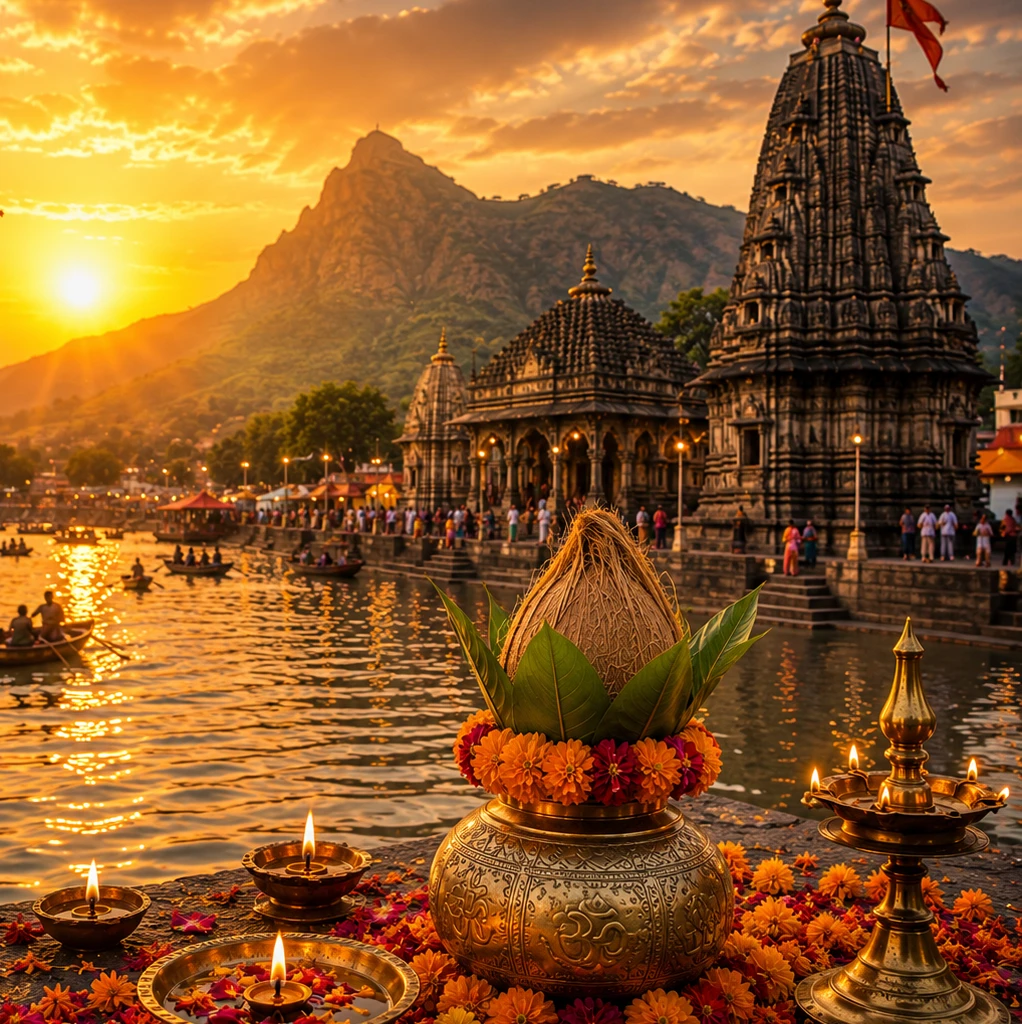
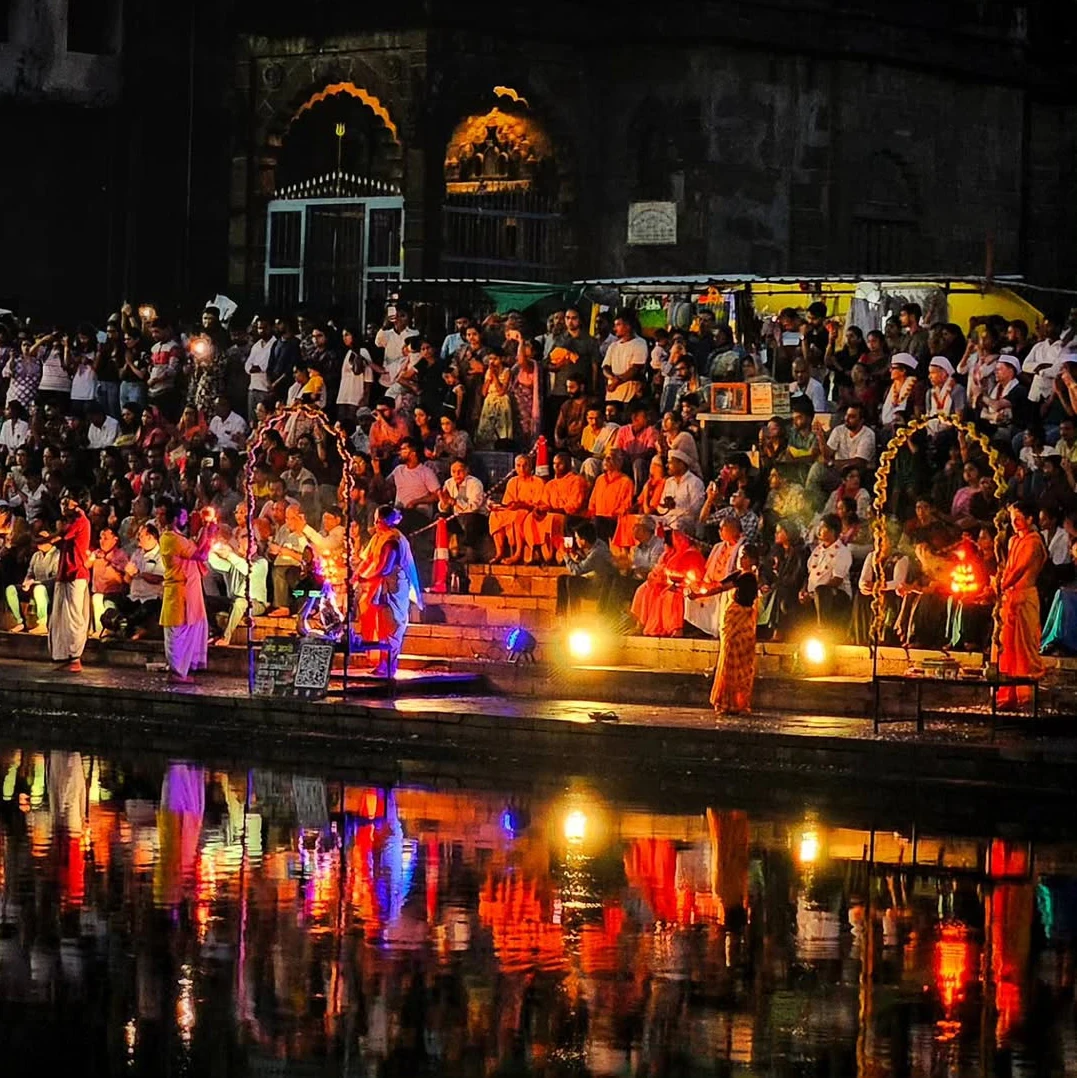
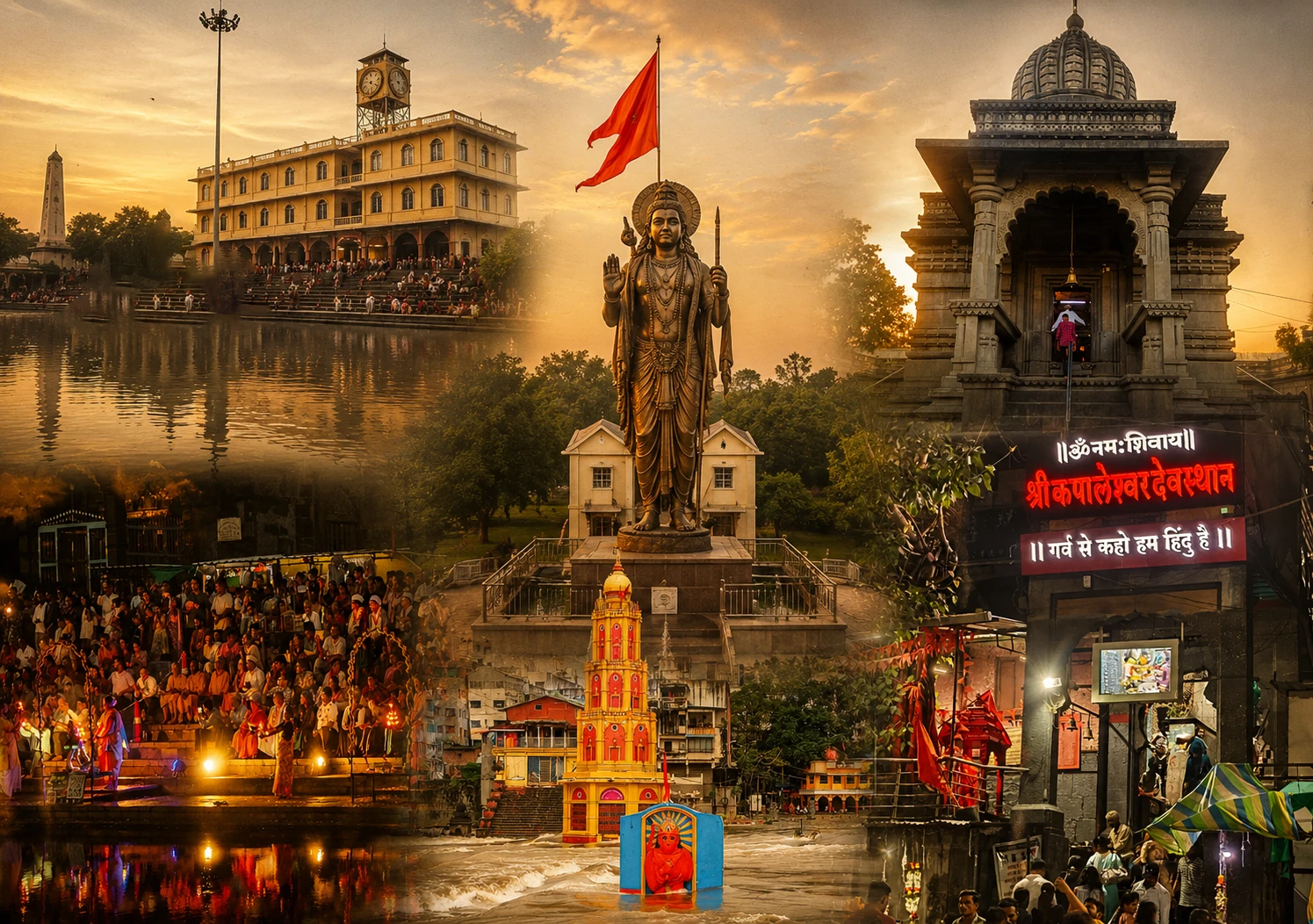
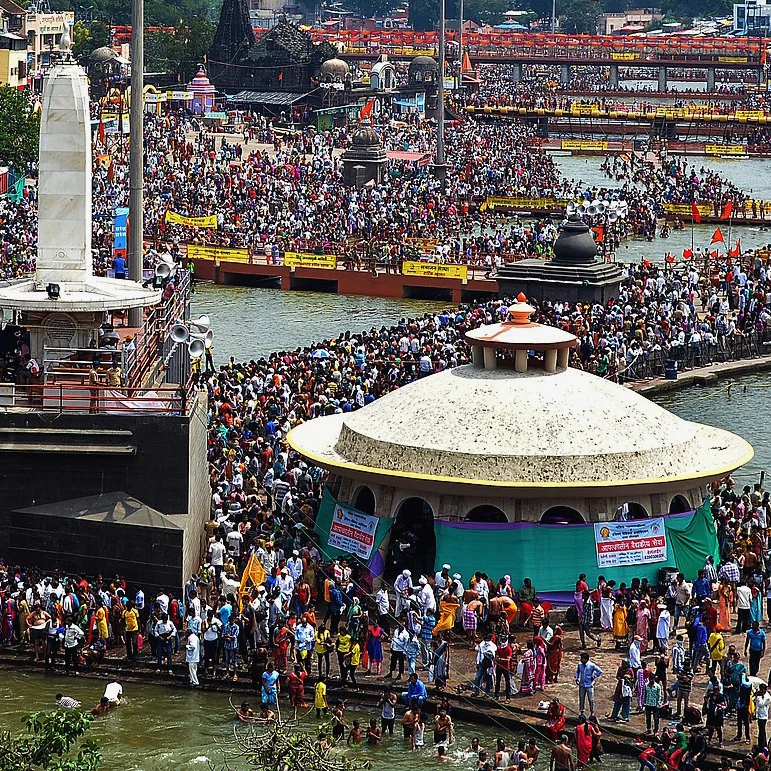
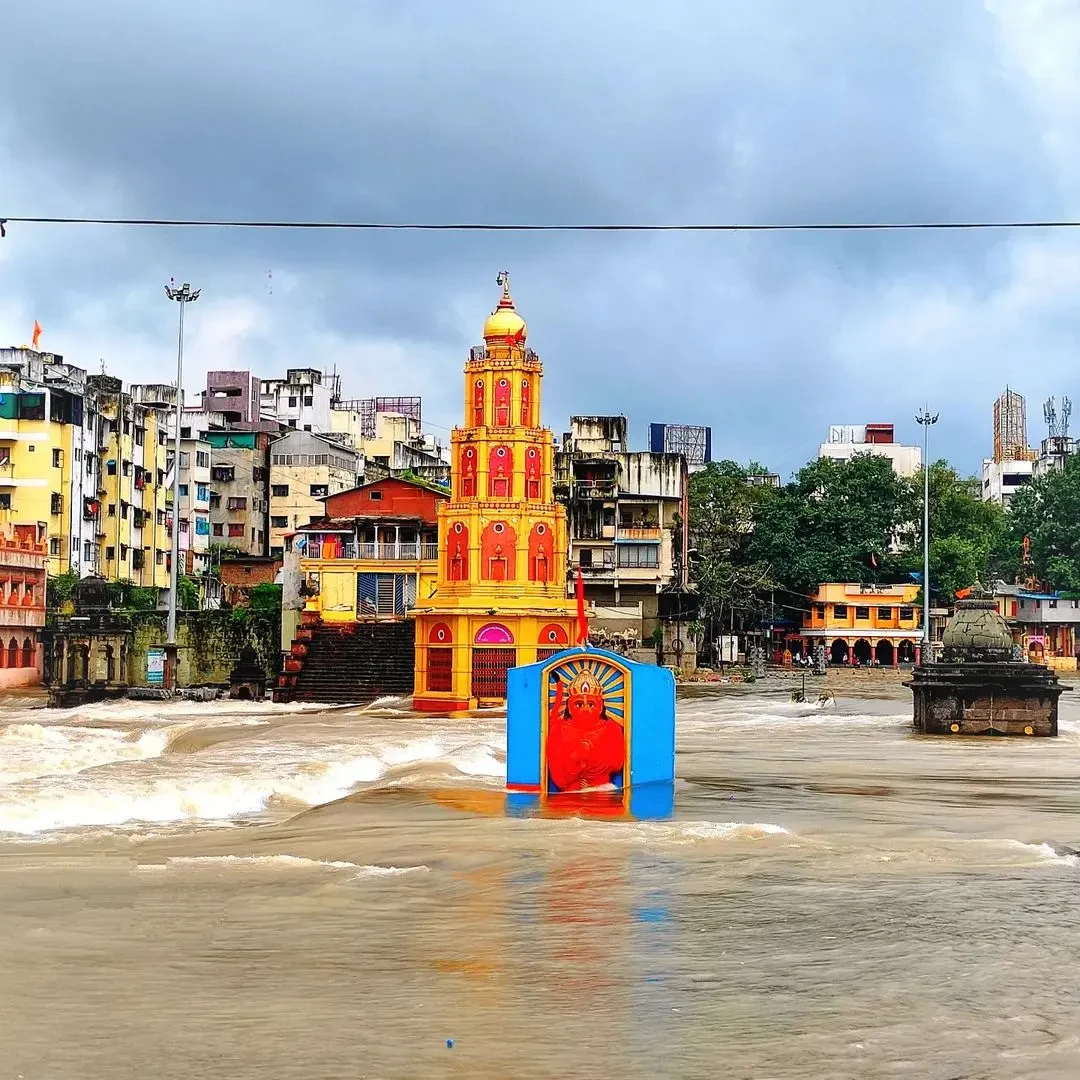
Walking through Panchavati today feels like following the footsteps of the Ramayana itself. The sacred Sita Gufa is believed to be the place where Goddess Sita spent time in prayer and meditation. The revered Ramkund on the banks of the Godavari continues to attract pilgrims who come to offer prayers and perform sacred rituals.
Ancient temples dedicated to Lord Rama, Lakshmana, Hanuman, and other deities stand as enduring symbols of devotion, welcoming visitors throughout the year. These places are not simply monuments. They remain vibrant centres of worship where the traditions associated with the Ramayana continue to live.
A Landscape Where Mythology Meets Faith
What makes Panchavati truly remarkable is that it has never been separated from the lives of the people who live here. The stories of Lord Rama are not confined to scriptures. They are reflected in festivals, temple rituals, devotional songs, and the everyday faith of countless devotees.
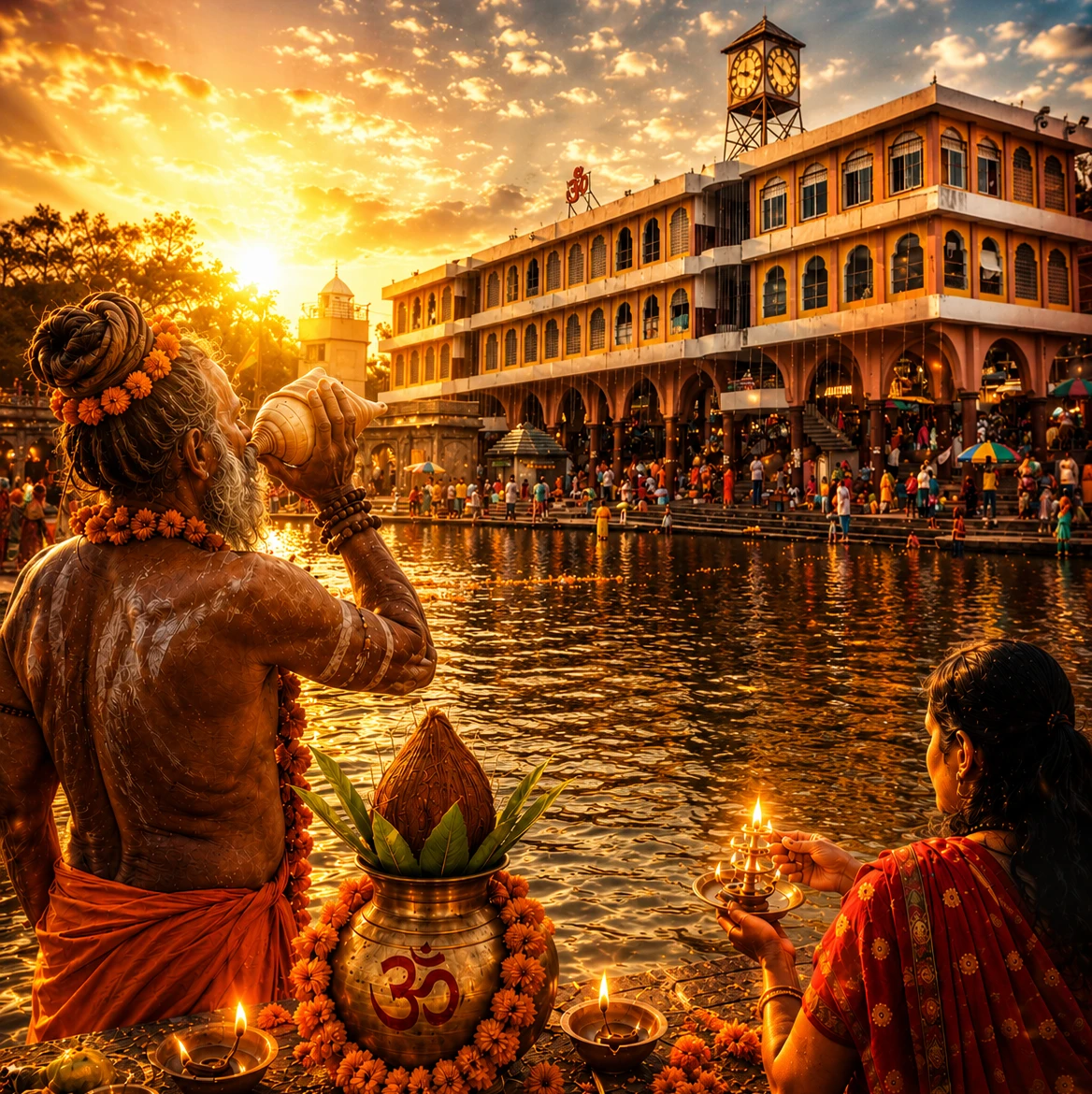
The Godavari continues to flow through the city just as it has for centuries, while pilgrims continue to visit Panchavati seeking peace, blessings, and a deeper connection with India's spiritual heritage. It is this continuity that transforms mythology into a living experience.
Panchavati During Nashik Kumbh
During Simhastha Kumbh 2027, Panchavati becomes one of the most visited spiritual destinations in Nashik. After taking the holy dip at Ramkund and the sacred ghats of the Godavari, thousands of pilgrims continue their journey through Panchavati, exploring the temples and sacred places associated with the Ramayana.
The atmosphere becomes even more vibrant with devotional chants, spiritual discourses, temple ceremonies, and cultural activities that beautifully complement the spirit of the Kumbh. For many visitors, Panchavati becomes the perfect bridge between the traditions of the Kumbh and the timeless stories of Lord Rama.
More Than a Destination
Panchavati is not merely a place to visit. It is a place to experience. It invites you to slow down, walk through ancient lanes, listen to stories that have survived for thousands of years, and reflect on the values of courage, devotion, sacrifice, and righteousness that define the Ramayana. Every temple, every sacred tree, every ghat, and every prayer carries the quiet presence of a story that continues to inspire millions.
A Timeless Chapter of India's Spiritual Heritage
As Nashik Kumbh 2027 welcomes pilgrims and travellers from around the world, Panchavati remains one of its most treasured spiritual landmarks. It reminds every visitor that the Ramayana is not only an ancient epic—it is a living legacy that continues to shape India's culture, faith, and identity.
Whether you come seeking blessings, exploring history, or discovering the roots of one of the world's greatest epics, Panchavati offers something far more valuable than a sightseeing experience. It offers the opportunity to walk through a land where every path tells a story, every temple preserves a memory, and every moment brings you closer to the timeless spirit of the Ramayana.