

Ramayana in Nashik: The Sacred Land Where Lord Rama's Story Still Lives
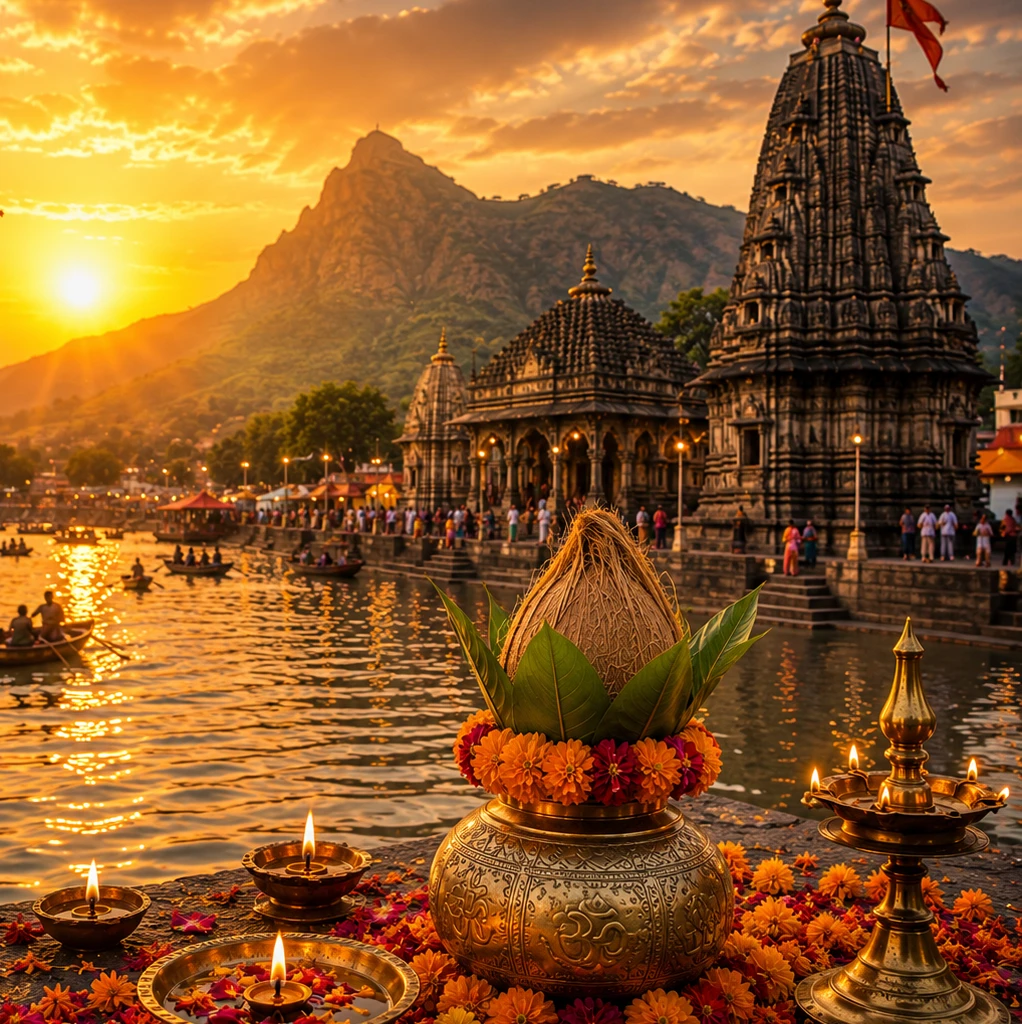
Some stories are remembered through books. Some are preserved through generations of storytelling. But a few continue to live through the places where they unfolded. Nashik is one of those extraordinary places. Nestled on the banks of the sacred Godavari River, Nashik is far more than an ancient city—it is one of the most significant locations associated with the Ramayana, India's timeless epic. According to tradition, Lord Rama, Goddess Sita, and Lord Lakshmana spent a significant part of their fourteen-year exile here, transforming this peaceful region into a land of immense spiritual importance.
Even today, centuries later, the streets, temples, forests, and sacred ghats of Nashik continue to echo with stories that have inspired millions of devotees across the world. During Nashik Kumbh 2027, these legendary places become an integral part of every pilgrim's journey, offering a rare opportunity to walk through the living landscape of the Ramayana.
Why Did Lord Rama Come to Nashik?
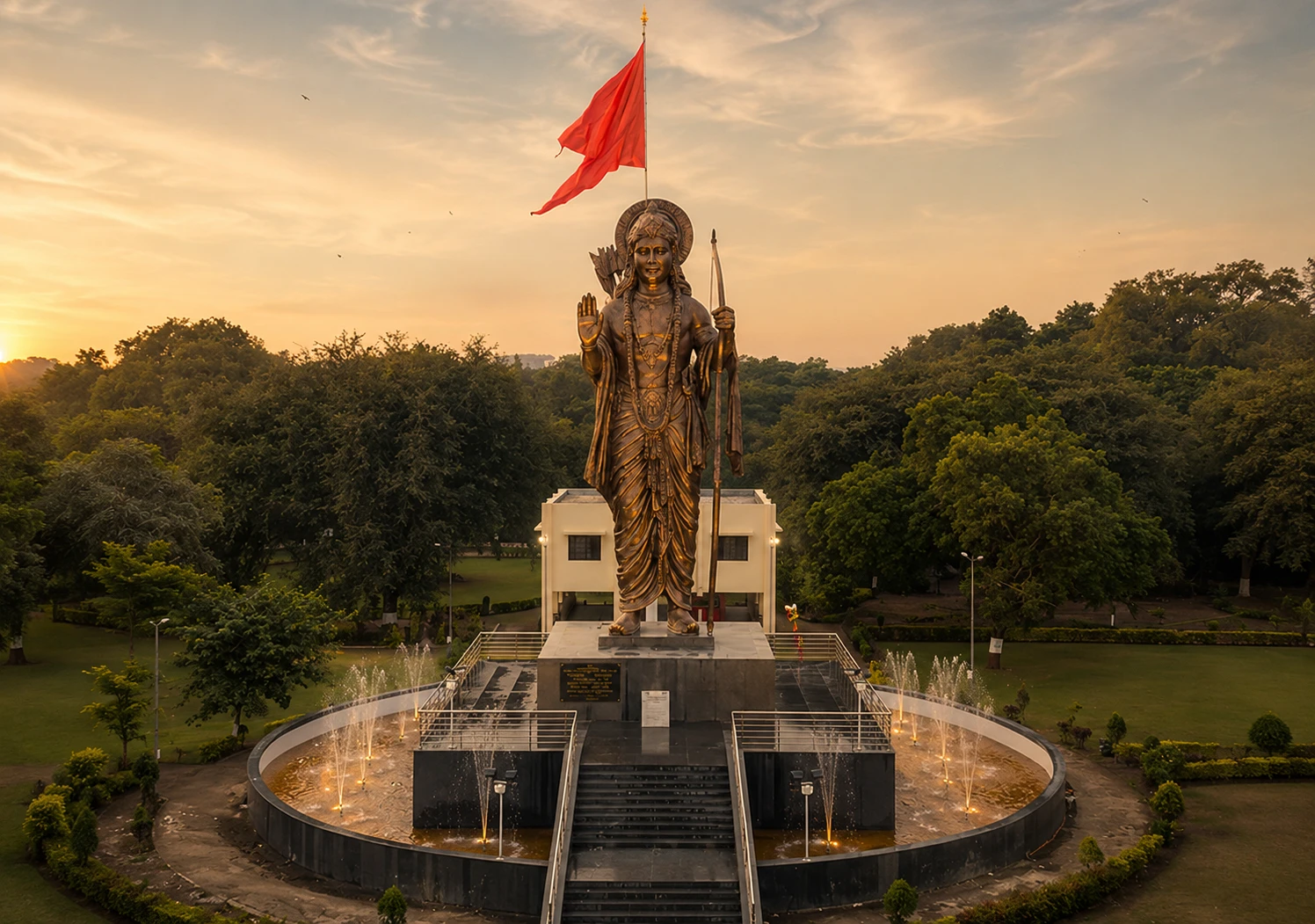
According to the Ramayana, after accepting fourteen years of exile, Lord Rama left Ayodhya accompanied by Goddess Sita and his devoted brother Lakshmana. Their journey eventually brought them to the peaceful forests along the banks of the Godavari River. Captivated by the natural beauty, abundant forests, flowing river, and serene surroundings, Lord Rama chose this place as one of his principal residences during exile.
This sacred forest later came to be known as Panchavati, meaning "the grove of five banyan trees". For many devotees, Panchavati is not simply a historic place—it is where one of the greatest stories in Indian civilization truly came alive.
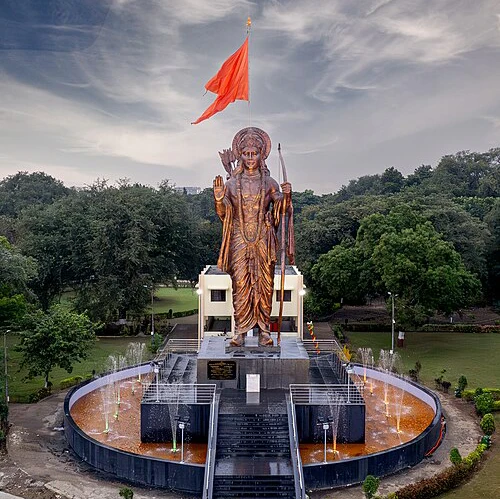
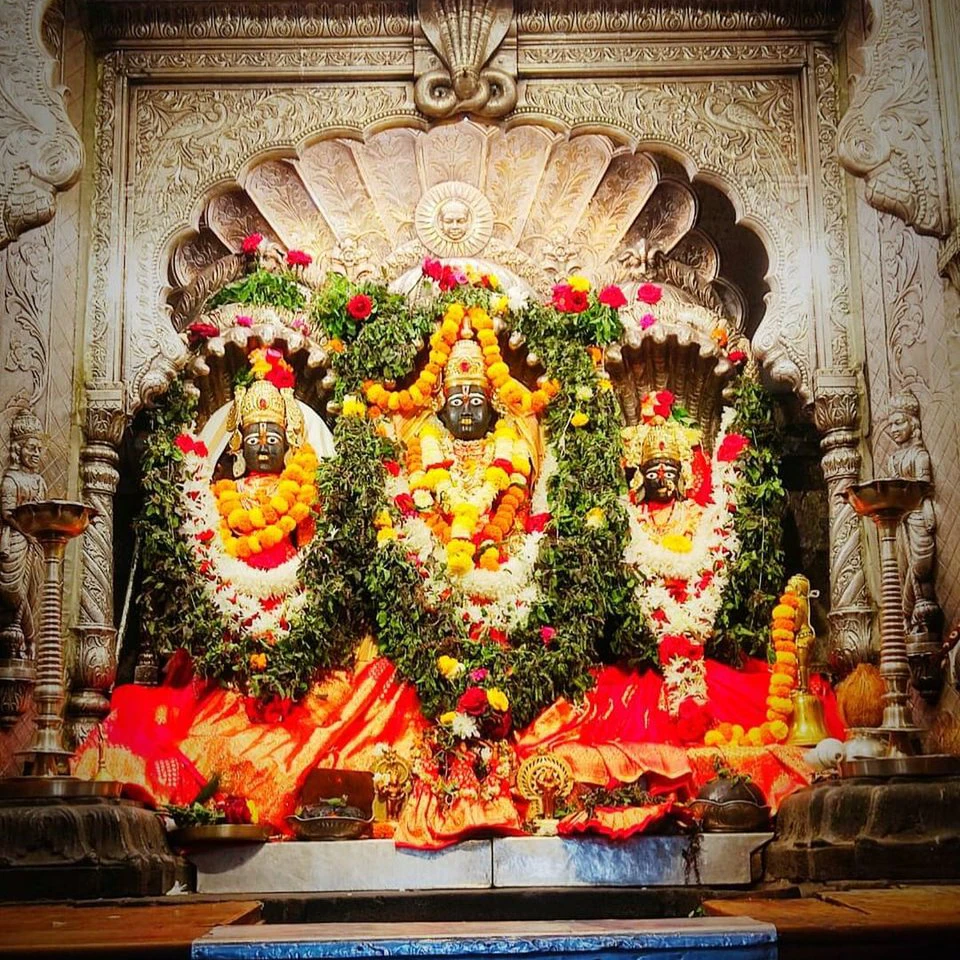
Panchavati — The Heart of the Ramayana
Walking through Panchavati today is like stepping into the pages of the Ramayana. Ancient temples, sacred ghats, peaceful lanes, and traditional houses preserve the memory of a time when Lord Rama, Sita, and Lakshmana are believed to have lived here.
Every landmark carries its own story. Every temple reflects centuries of devotion. And every visitor becomes part of a journey that connects mythology with living tradition. It is this remarkable continuity that makes Panchavati one of India's most revered pilgrimage destinations.
Sita Gufa — A Place of Quiet Devotion
Among Nashik's most visited sacred sites is Sita Gufa, a small cave believed to be associated with Goddess Sita. According to local tradition, Sita worshipped here during her stay in Panchavati. The peaceful atmosphere of the cave allows visitors to pause, reflect, and connect with one of the most revered figures in Hindu tradition. Whether viewed through faith or history, Sita Gufa remains one of the most emotionally significant places connected with the Ramayana.
Ramkund — The Sacred Ghat of Lord Rama
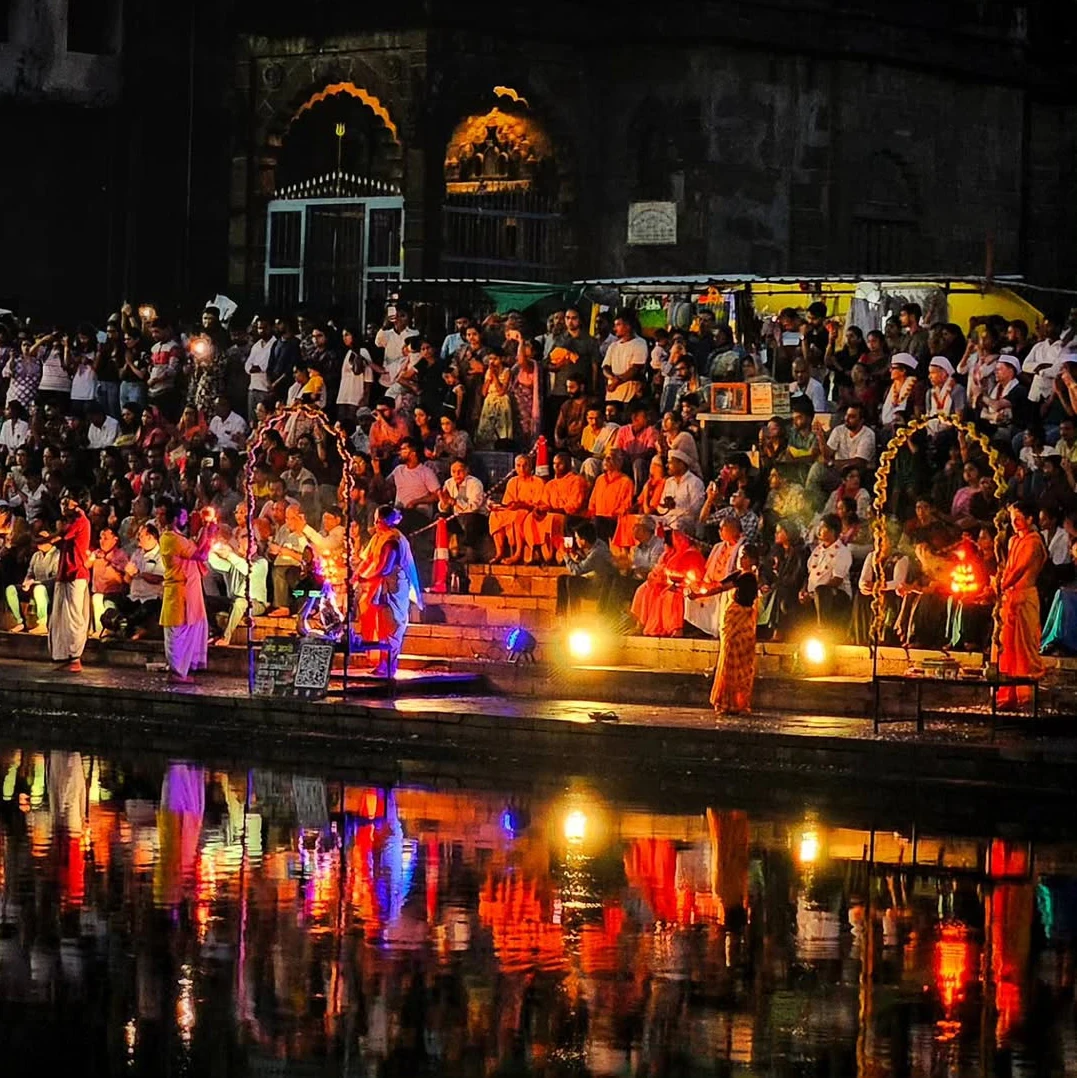
Located on the banks of the Godavari, Ramkund is regarded as one of Nashik's holiest places. According to tradition, Lord Rama performed rituals and offered prayers here during his exile. Over time, Ramkund became one of the most important pilgrimage sites in Maharashtra.
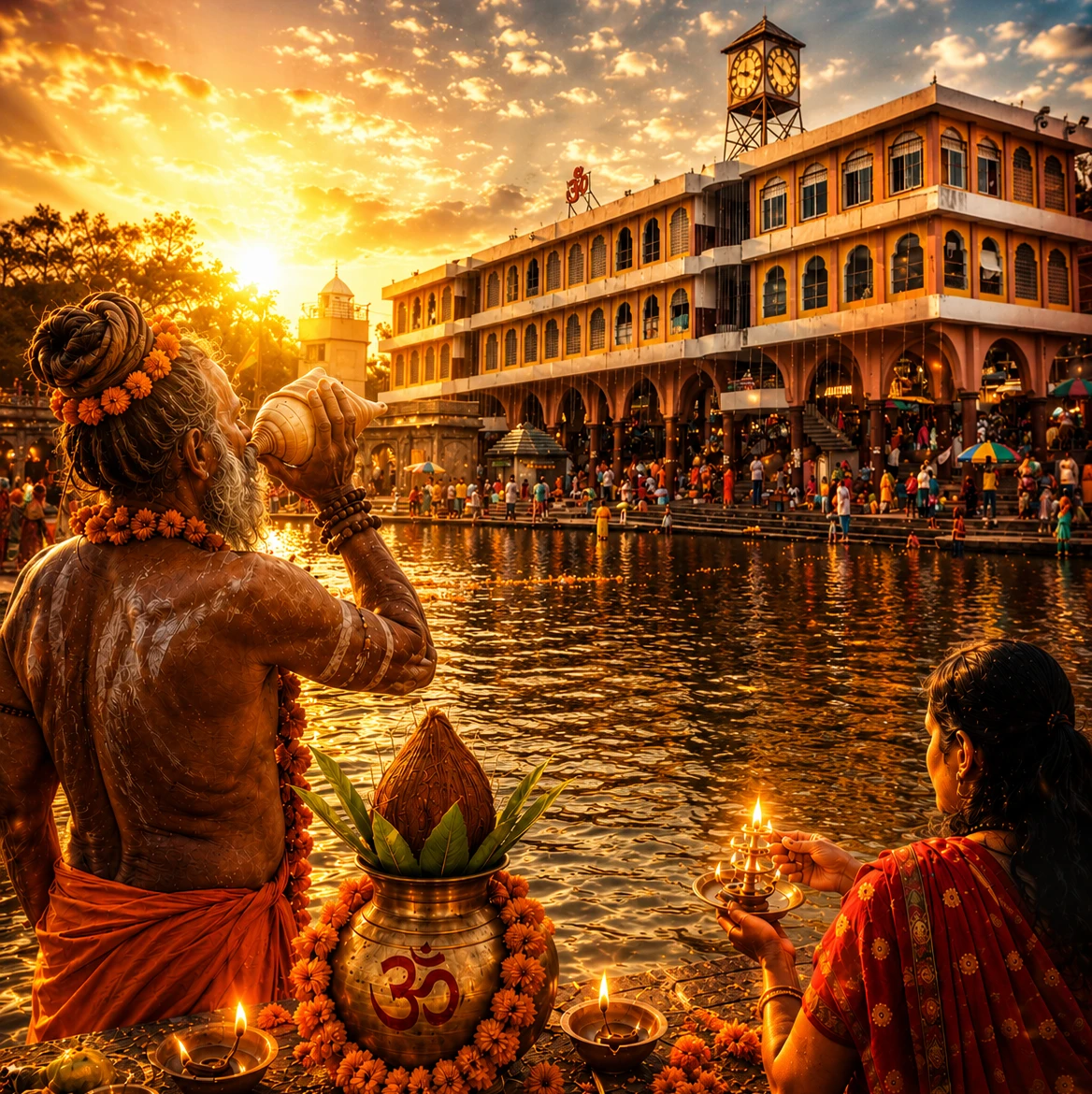
Today, devotees gather here throughout the year to perform religious ceremonies, offer prayers for their ancestors, and seek blessings. During Simhastha Kumbh, Ramkund becomes the spiritual heart of Nashik, welcoming millions of pilgrims from across the world.
The Story of Surpanakha and the Origin of Nashik's Name
One of the most dramatic episodes of the Ramayana is closely associated with Nashik. According to tradition, it was here that Surpanakha, the sister of Ravana, approached Lord Rama and later Lakshmana. After her actions threatened the peace of the hermitage, Lakshmana severed her nose.
The Sanskrit word "Nasika" means nose, and many traditions associate this event with the origin of the city's name—Nashik. Whether understood through mythology or cultural tradition, this story has become an inseparable part of Nashik's identity.
A Sacred Landscape Filled with Stories
The Ramayana is not remembered in Nashik through a single monument. It lives across an entire landscape. Ancient temples dedicated to Lord Rama. Sacred ghats along the Godavari. Traditional pathways through Panchavati. Historic shrines preserving centuries of devotion. Every corner of the city contributes another chapter to the epic, allowing visitors to experience the Ramayana not simply as literature but as a living heritage.
A Journey That Continues During Nashik Kumbh
For pilgrims visiting Nashik Kumbh 2027, exploring the Ramayana sites adds extraordinary depth to the spiritual journey. After taking a holy dip in the Godavari, many devotees continue to Panchavati, Ramkund, Sita Gufa, Kapaleshwar Temple, and other sacred places connected with Lord Rama's exile.
Together, these destinations create a pilgrimage that combines the sacred traditions of the Kumbh with one of India's greatest spiritual epics. It is an experience that cannot be found anywhere else.
Walking Through an Eternal Story
The Ramayana teaches timeless values of duty, devotion, courage, sacrifice, and righteousness. In Nashik, those values are not confined to ancient scriptures. They continue to live through temples, traditions, festivals, and the faith of millions who visit this sacred city every year.
As Nashik Kumbh 2027 welcomes pilgrims from around the world, it also invites them to discover another remarkable journey—the journey of Lord Rama through Panchavati and the timeless stories that continue to shape India's spiritual heritage. Because in Nashik, the Ramayana is not merely remembered. It is still lived.