

From the Satavahanas to the Smart City: The Remarkable Journey of Nashik Through Time
Some cities are defined by a single era. Some are remembered for one great empire. But Nashik has witnessed more than two thousand years of uninterrupted history, evolving from an ancient trading centre into one of Maharashtra's most progressive cities. From the powerful Satavahana Dynasty to today's Smart City initiatives, Nashik has continuously reinvented itself while preserving its rich spiritual and cultural heritage.
It is a city where ancient caves stand beside modern highways, sacred temples overlook growing industries, and timeless traditions thrive alongside technological innovation. This extraordinary journey makes Nashik one of India's most inspiring success stories.
The Rise of Nashik During the Satavahana Era
The earliest golden chapter of Nashik's history began during the Satavahana Dynasty (around the 1st century BCE to the 2nd century CE). Because of its strategic location along important trade routes, Nashik emerged as a flourishing centre for commerce, administration, and culture. Merchants from different parts of India travelled through the region, bringing prosperity and helping the city grow into one of western India's most important urban settlements.
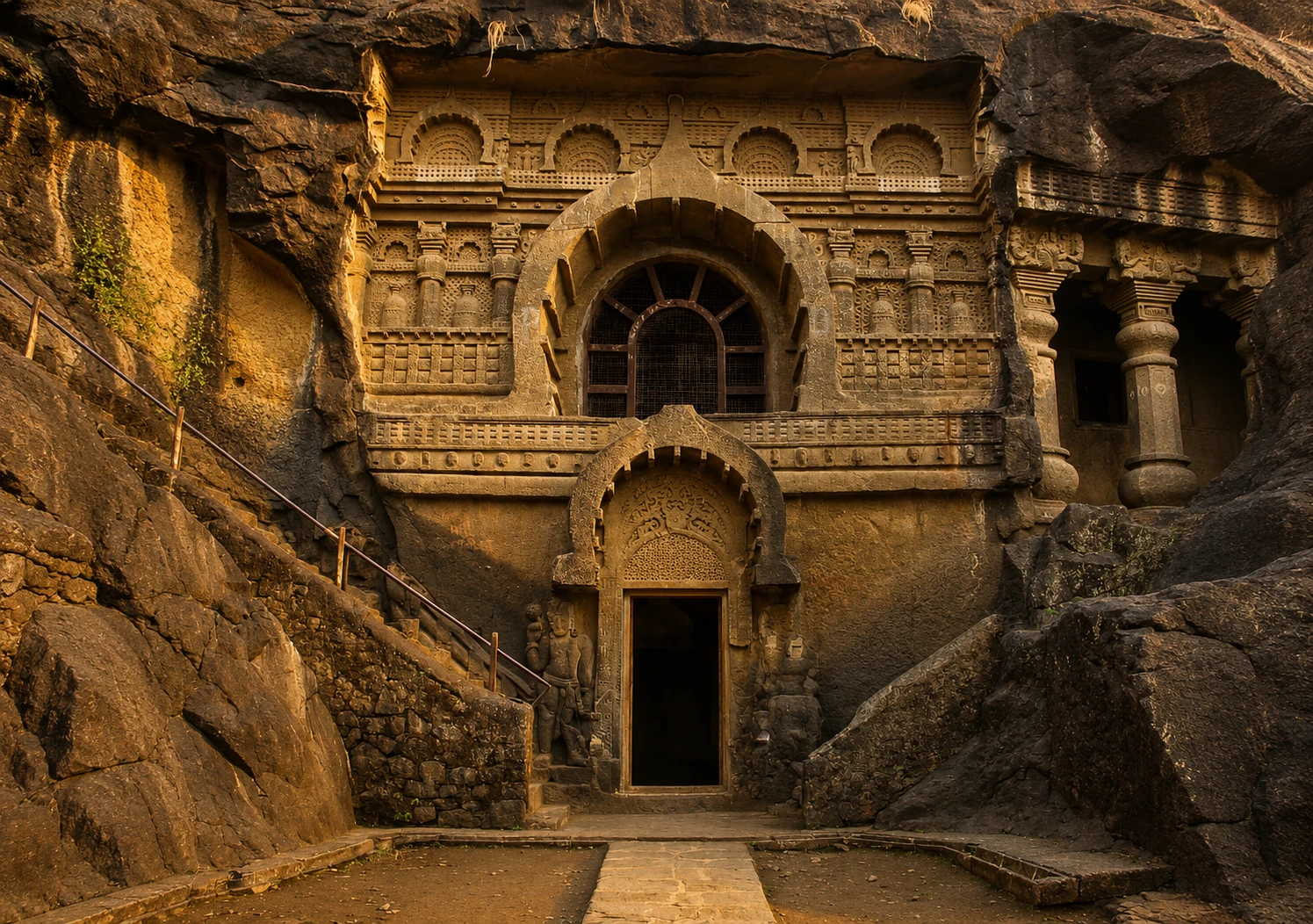
The Satavahanas also encouraged religious harmony, supporting both Hindu and Buddhist traditions. Their influence can still be seen today in one of Nashik's greatest historical treasures—the Pandavleni Caves, whose inscriptions provide valuable insights into the city's ancient past.

A Centre of Trade, Culture and Spirituality
As trade flourished, Nashik became much more than a commercial centre. The sacred Godavari River attracted saints, scholars, and pilgrims, while temples and monasteries transformed the city into an important centre of spiritual learning.
This unique combination of economic prosperity and religious significance laid the foundation for Nashik's identity—a city where commerce and culture grew together. That balance continues even today.
Through the Rule of Great Dynasties
Following the Satavahanas, Nashik came under the influence of several remarkable kingdoms. The Rashtrakutas, Yadavas, Bahmani rulers, Mughals, and later the Marathas all contributed to the city's architectural, cultural, and administrative development.
Magnificent temples, hill forts, historic monuments, and ancient settlements from these periods continue to enrich Nashik's landscape. Each dynasty added another chapter without erasing the city's earlier legacy.
The Spiritual Identity That Never Changed
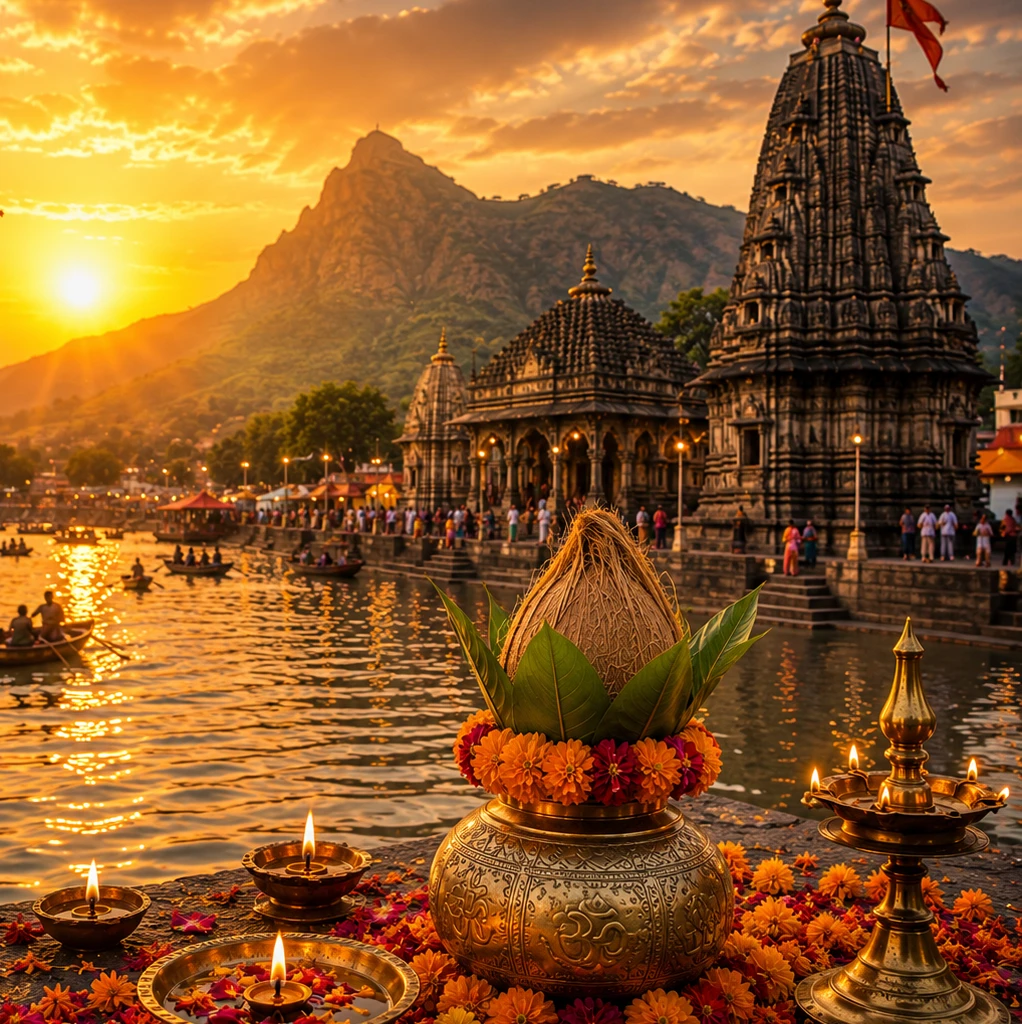
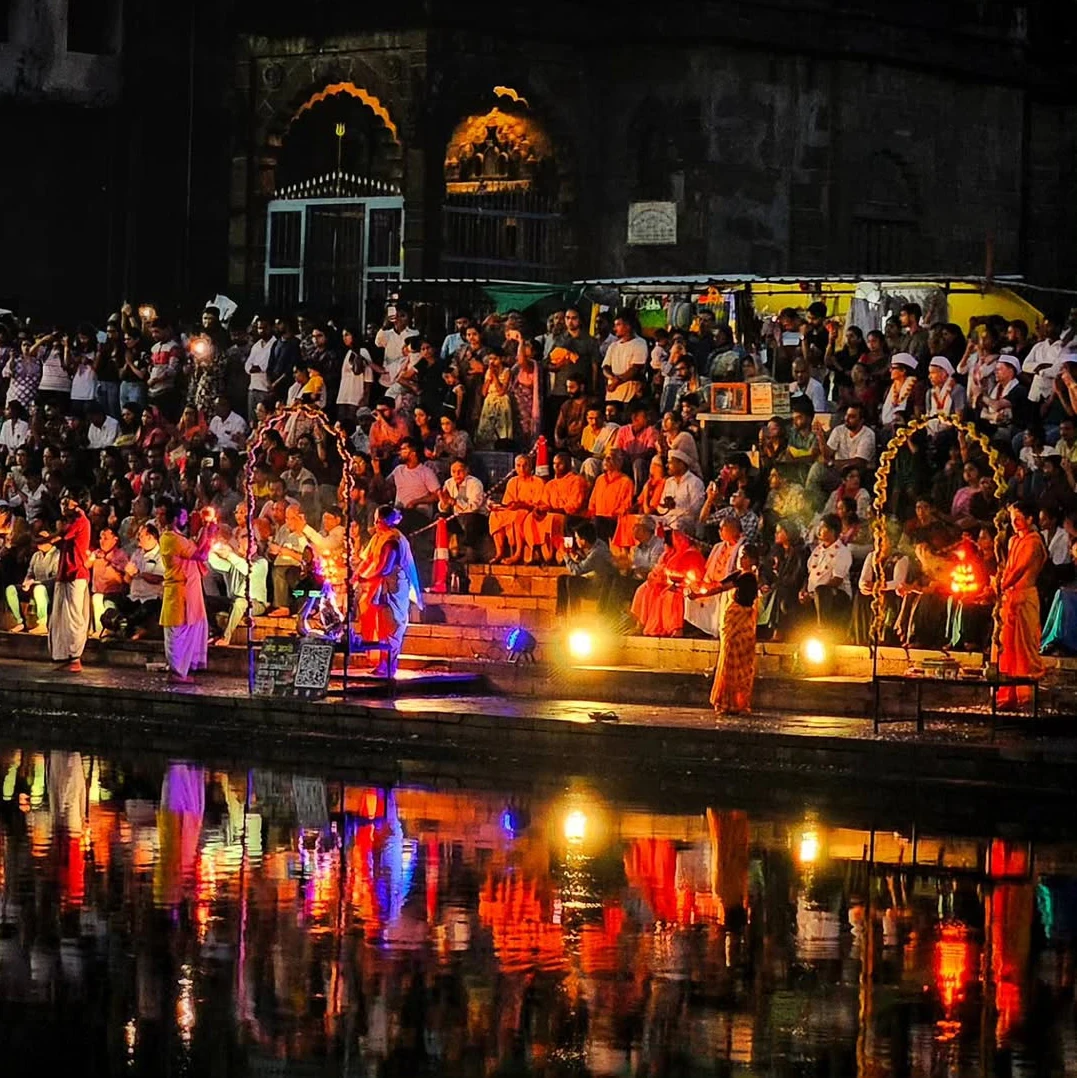
Despite changing kingdoms and political transitions, Nashik's spiritual importance remained constant. The sacred Trimbakeshwar Jyotirlinga, the holy Godavari River, the legendary Panchavati, and the traditions of the Ramayana continued to attract devotees from across India.
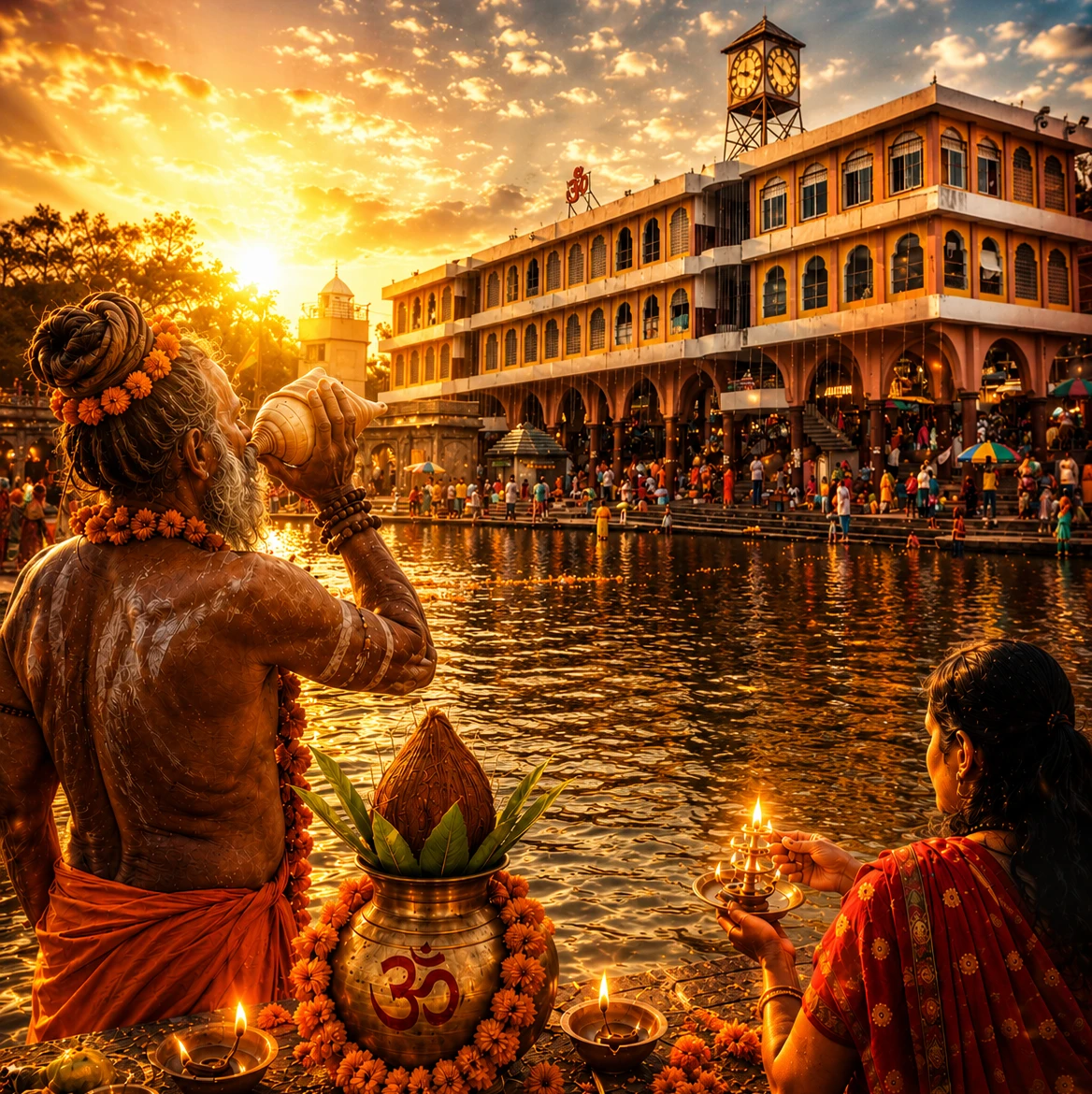
Every twelve years, the city hosts the Simhastha Kumbh Mela, one of the largest religious gatherings in the world, reaffirming Nashik's place as one of India's holiest pilgrimage destinations. Faith has always been the soul of the city.
The Beginning of Modern Nashik
After India's independence, Nashik entered a new phase of development. Industrial estates, improved transportation, educational institutions, irrigation projects, and expanding residential areas transformed the city into an important regional centre. The establishment of manufacturing industries, defence organisations, engineering units, and agricultural processing facilities created thousands of employment opportunities. Nashik gradually emerged as one of Maharashtra's fastest-growing cities.
The Rise of Industry and Innovation
Today, Nashik is recognised as a major industrial destination. The city is home to engineering companies, automobile component manufacturers, electrical industries, defence establishments, pharmaceuticals, food processing units, and modern business parks.
Alongside industrial growth, Nashik also became internationally recognised as the Wine Capital of India, with vineyards attracting tourists from around the world. Its economy now combines agriculture, manufacturing, tourism, education, healthcare, and technology.
Building a Smart Future
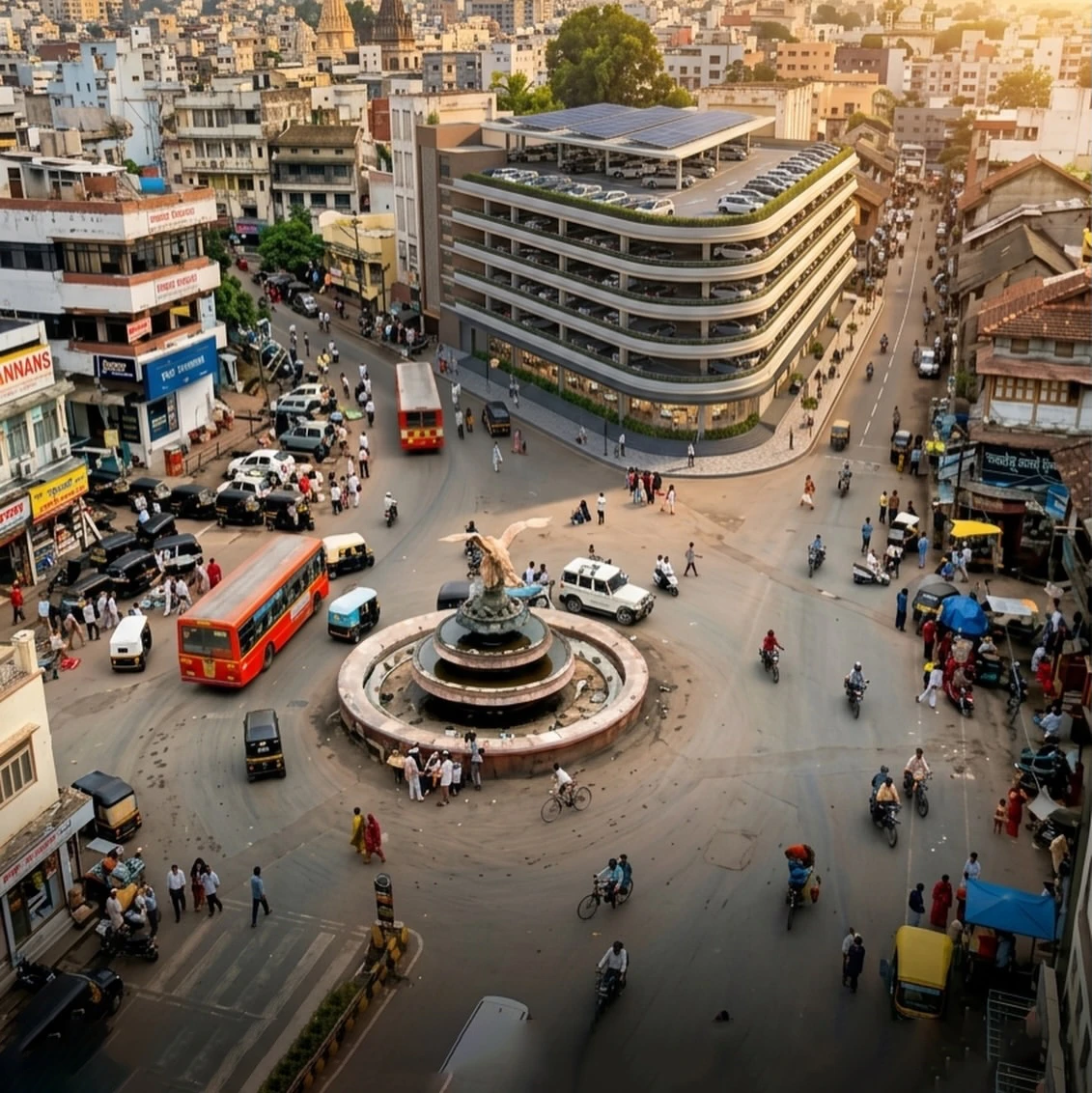
Modern Nashik is preparing for the future through improved infrastructure and smart urban planning. Better road connectivity, digital governance, public transportation, environmental initiatives, riverfront improvements, sustainable development projects, and citizen-focused services are gradually transforming the city into a smarter and more efficient urban centre.
These initiatives are designed not only to improve quality of life but also to preserve Nashik's historical and cultural identity for future generations. Progress here is built upon tradition, not at its expense.
Nashik During Simhastha Kumbh 2027
As Simhastha Kumbh 2027 approaches, Nashik stands ready to welcome millions of pilgrims from across the globe. Visitors will experience a city where ancient rituals continue exactly as they have for centuries, supported by modern infrastructure, improved connectivity, better public services, and advanced urban planning.
It is a remarkable example of how a city can successfully prepare for the future while remaining deeply connected to its past.
A Journey That Continues
From the flourishing markets of the Satavahanas to the magnificent temples of the Yadavas through the legacy of the Marathas to the industries, vineyards, educational institutions, and Smart City initiatives of today Nashik has never stopped evolving. Every generation has contributed something new. Every era has strengthened its identity. And every visitor becomes part of its continuing story.
Nashik is not merely a city with a glorious past. It is a living example of how history, spirituality, culture, and modern development can move forward together—creating a future as inspiring as its remarkable past.