

What Is Shahi Snan? The Royal Bath That Defines the Spirit of Kumbh Mela
Among the countless traditions that make the Kumbh Mela extraordinary, none is more iconic or spiritually significant than the Shahi Snan, often known as the Royal Bath. For millions of devotees, witnessing the Shahi Snan is not simply watching a ceremonial procession—it is experiencing a tradition that has flowed through India's spiritual heritage for centuries.
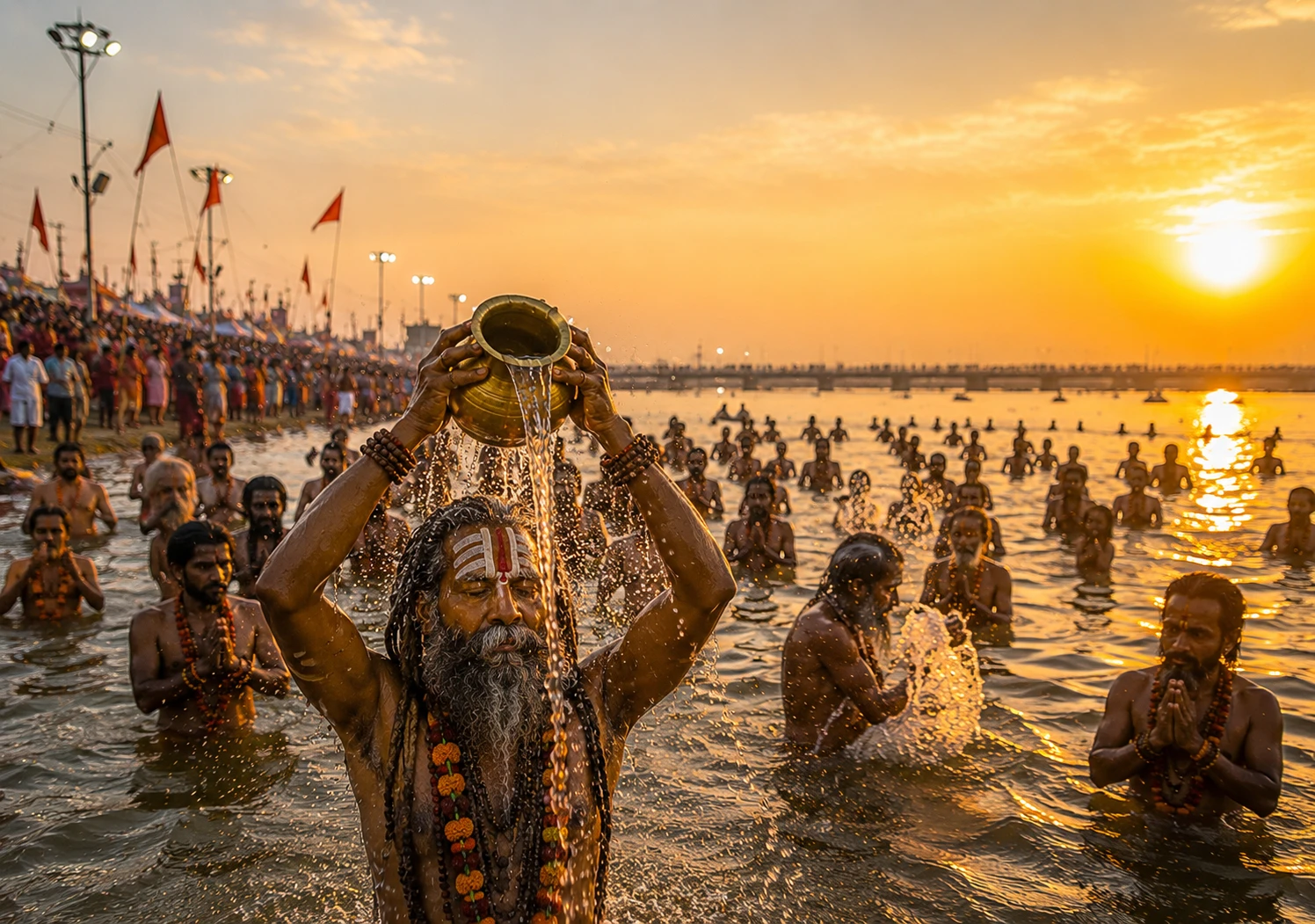
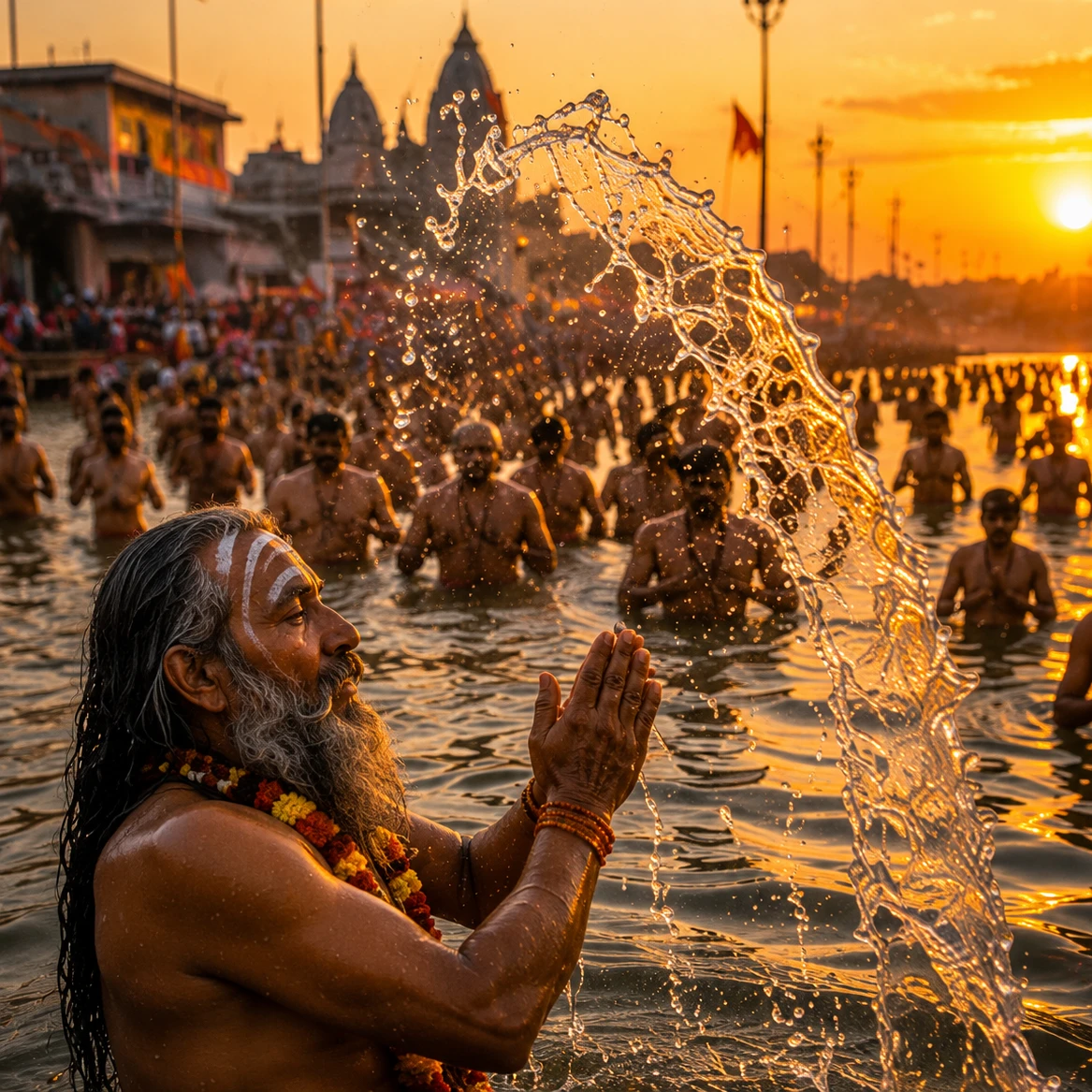
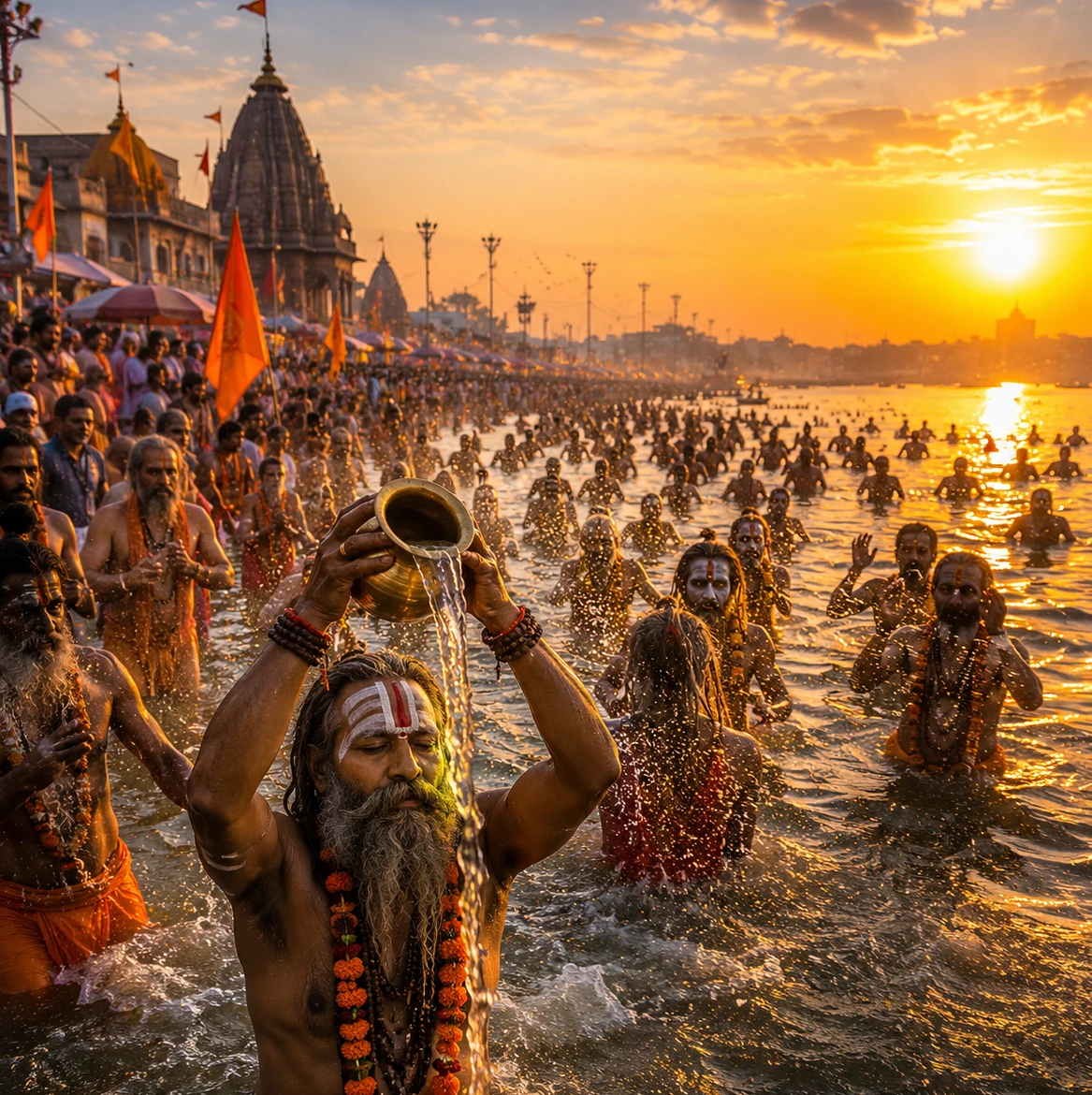
As the first rays of the sun illuminate the sacred river, ancient monastic orders, revered saints, and Naga Sadhus make their majestic procession toward the holy waters, creating a spectacle that is both deeply spiritual and visually unforgettable. The Shahi Snan is more than a ritual. It is the soul of the Kumbh Mela.
The Meaning Behind Shahi Snan
The word "Shahi" means royal, while "Snan" means holy bath. Together, they describe the ceremonial bathing ritual performed by the Akharas before the general public enters the sacred river. The term "royal" does not refer to kings or kingdoms.
Instead, it symbolizes the spiritual dignity, discipline, and centuries-old traditions of the Akharas and their saints, who are accorded the honour of taking the first sacred bath during the Kumbh. This centuries-old custom reflects the respect given to these spiritual institutions for preserving Sanatan Dharma through generations.
A Procession Unlike Any Other
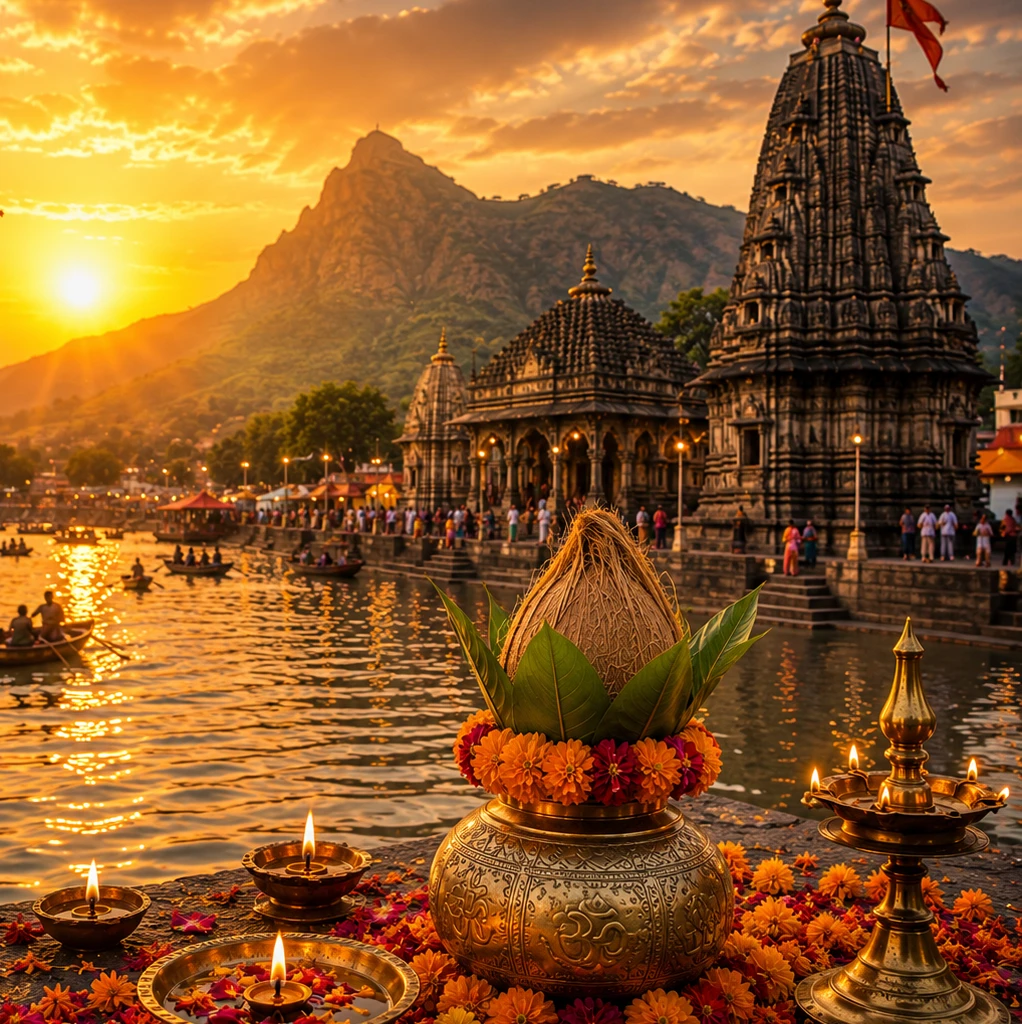
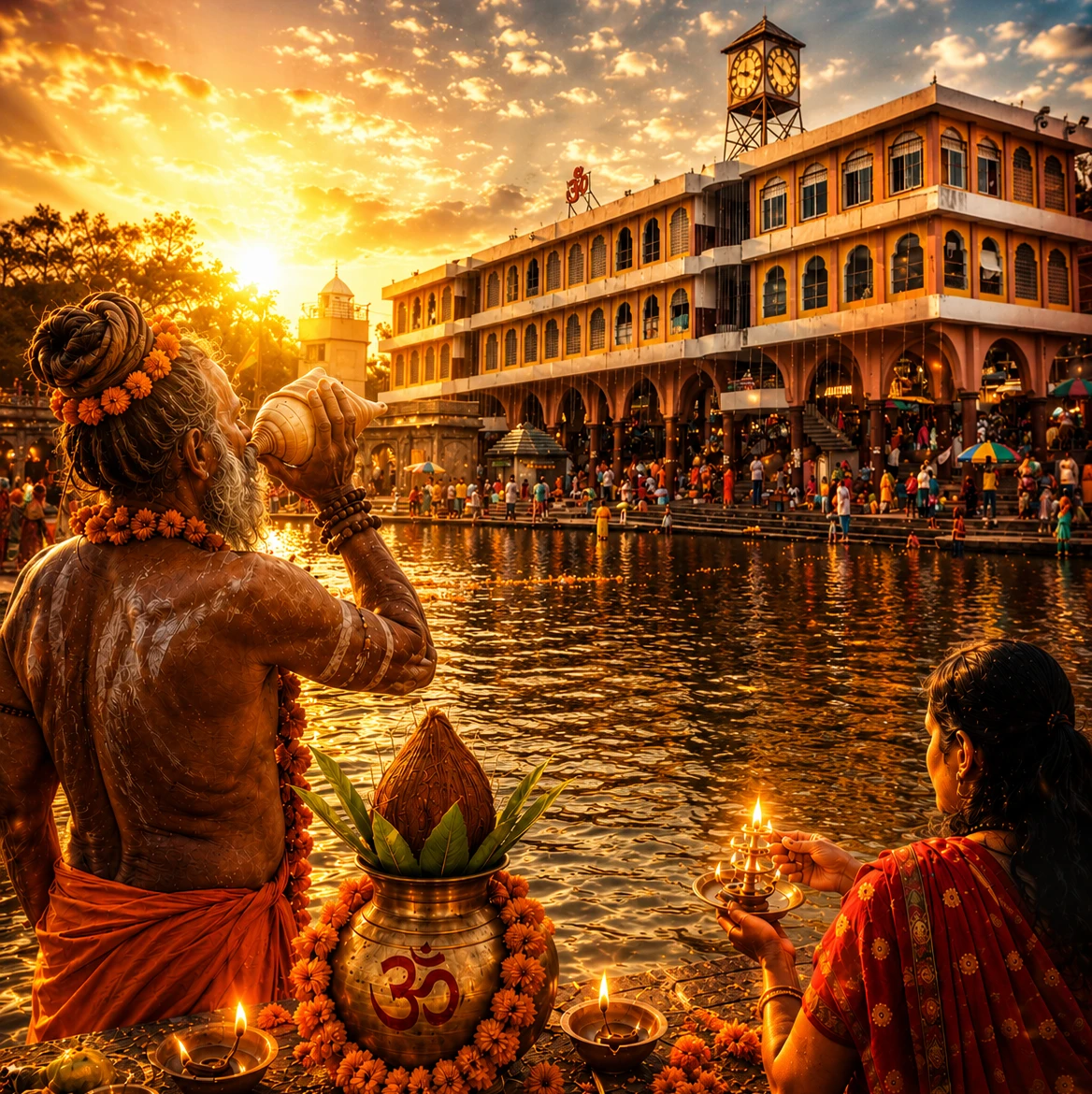
Long before dawn, an atmosphere of devotion begins to spread across the city. Temple bells ring through the quiet morning air. The sound of conch shells echoes across the ghats. Sacred hymns fill the streets as thousands of devotees gather patiently along the procession route.
Then comes the moment everyone has been waiting for. Decorated chariots, saffron flags, traditional musical instruments, elephants, horses, and disciplined groups of saints begin their journey toward the sacred river. Leading this magnificent procession are the revered Naga Sadhus, whose arrival marks one of the most anticipated moments of the entire Kumbh Mela. For many visitors, witnessing this procession is a once-in-a-lifetime experience that remains etched in memory forever.
Why Is the Shahi Snan So Important?
The significance of the Shahi Snan extends far beyond ceremony. According to Hindu tradition, bathing in the sacred river during the most auspicious celestial alignment is believed to symbolize spiritual purification, inner transformation, and devotion to the Divine. The Akharas perform the first holy bath as representatives of ancient spiritual lineages that have preserved India's religious and philosophical traditions for centuries.
Only after the Akharas complete their sacred ritual do millions of devotees enter the river to perform their own holy bath. This sequence has been followed for generations and remains one of the defining traditions of every Kumbh Mela.
The Role of the Akharas
The Shahi Snan cannot be understood without understanding the Akharas. These ancient monastic institutions represent different spiritual traditions within Sanatan Dharma. Their saints dedicate their lives to meditation, discipline, scriptural learning, and spiritual service. Each Akhara follows its own customs, leadership, and rituals, yet all come together during the Kumbh to participate in the Shahi Snan.
The order in which the Akharas enter the river is determined according to long-established traditions, reflecting mutual respect and centuries of spiritual heritage. Their participation transforms the ritual into one of the most remarkable religious ceremonies in the world.
A Celebration of Faith and Discipline
Although the Shahi Snan is visually magnificent, its true beauty lies in the discipline with which it is conducted. Every movement follows established traditions. Every procession reflects centuries of spiritual practice. Every chant, ritual, and ceremony carries symbolic meaning passed down through generations.
For devotees lining the ghats, it is not merely an event to watch but an opportunity to witness living history unfolding before their eyes. It is a reminder that some traditions remain powerful because they continue to inspire faith rather than merely preserve ritual.
Witnessing Shahi Snan at Nashik Kumbh 2027
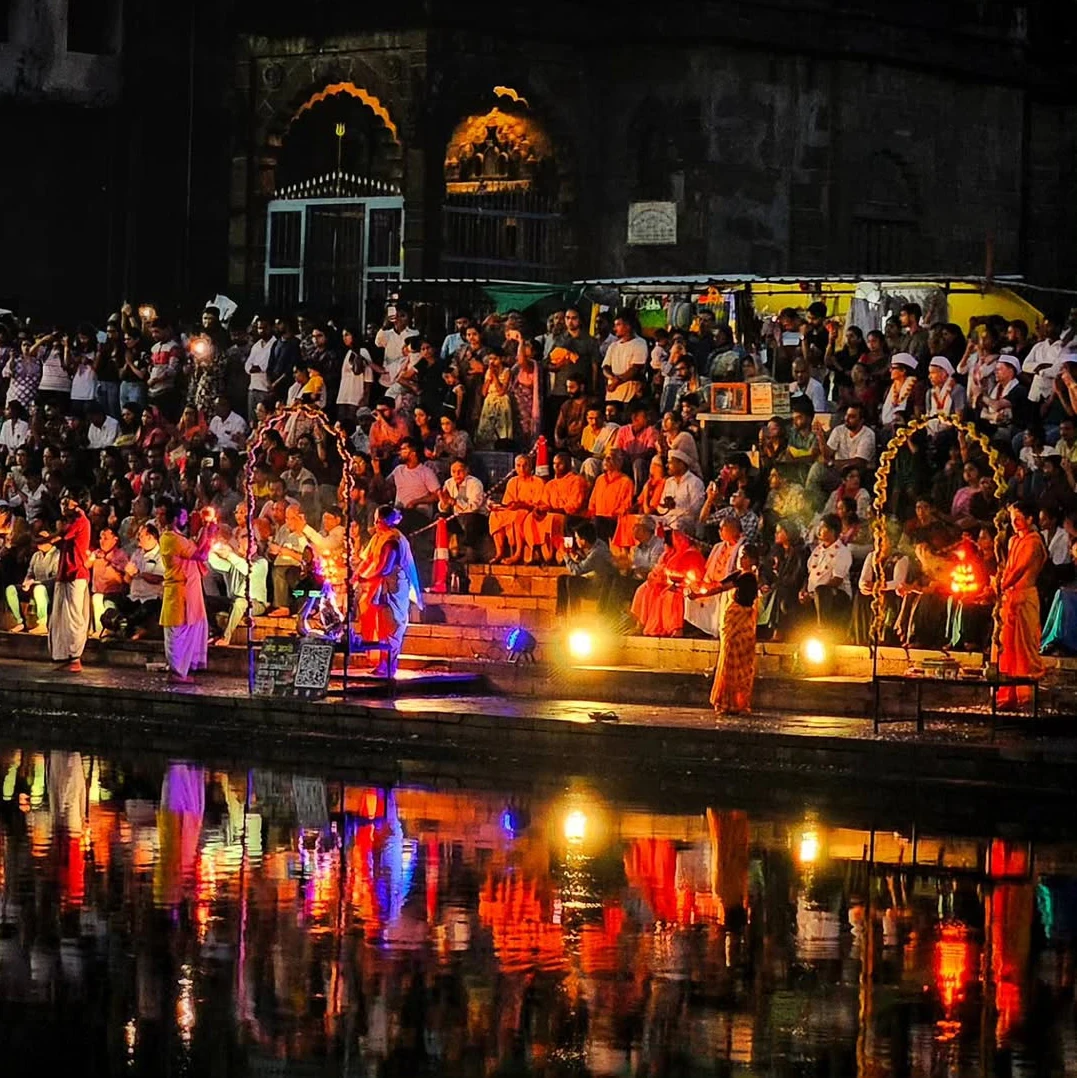
During Simhastha Kumbh 2027, the Shahi Snan will once again become the spiritual highlight of the festival in Nashik and Trimbakeshwar. As millions gather along the sacred banks of the Godavari, the city will come alive with devotion, music, prayers, and the majestic arrival of saints from across the country.
For photographers, historians, cultural enthusiasts, and pilgrims alike, it offers a rare opportunity to witness one of the oldest continuously practiced ceremonial traditions in the world. Every moment reflects the remarkable continuity of India's spiritual heritage.
More Than a Royal Bath
To describe the Shahi Snan simply as a holy bath would be to overlook its deeper meaning. It is a celebration of faith over fear, tradition over time, and devotion over distraction. It reminds us that spirituality is not confined to temples or scriptures alone—it lives in rituals that continue to unite generations, communities, and cultures through a shared belief in something greater than ourselves.
As the sacred waters of the Godavari welcome the saints during Nashik Kumbh 2027, the Shahi Snan will once again reaffirm why the Kumbh Mela is not merely one of the world's largest gatherings, but one of its greatest living spiritual traditions.