

The Godavari River: The Sacred Lifeline of Nashik
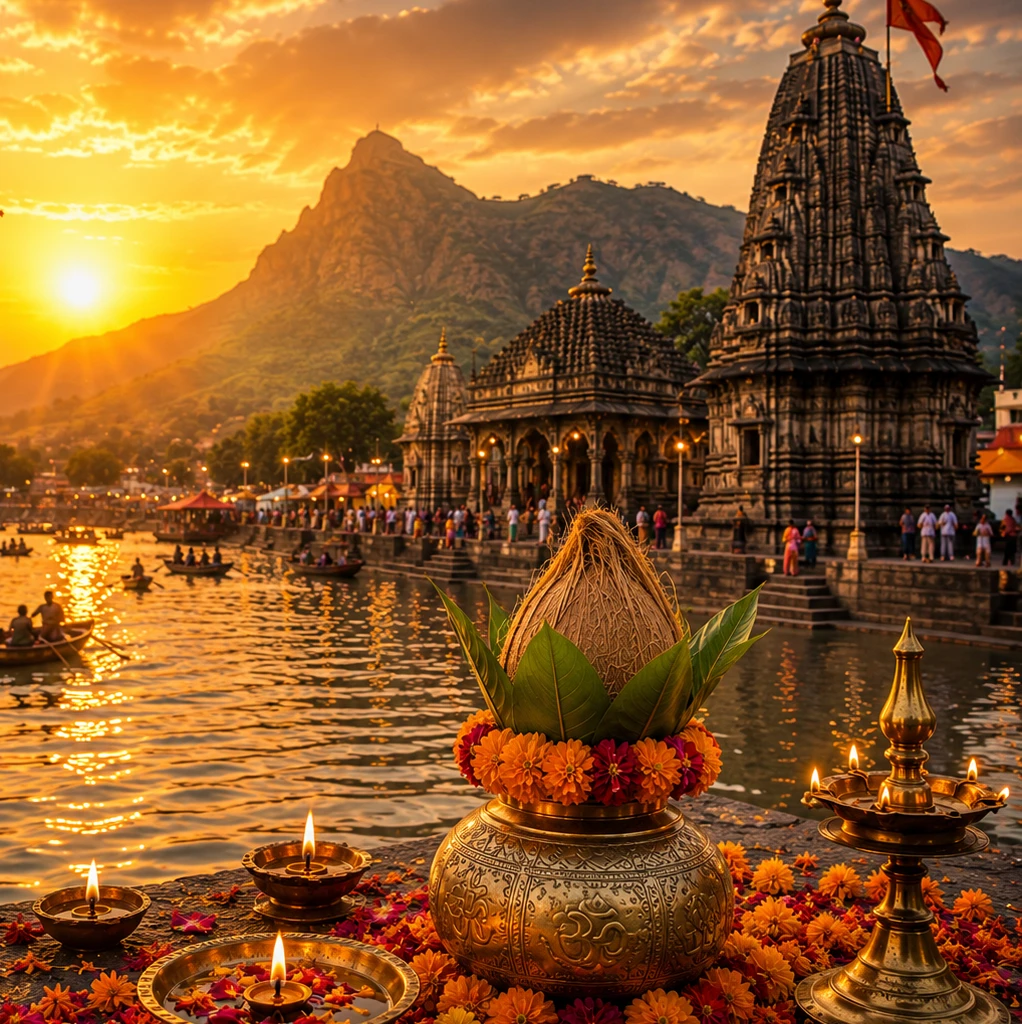
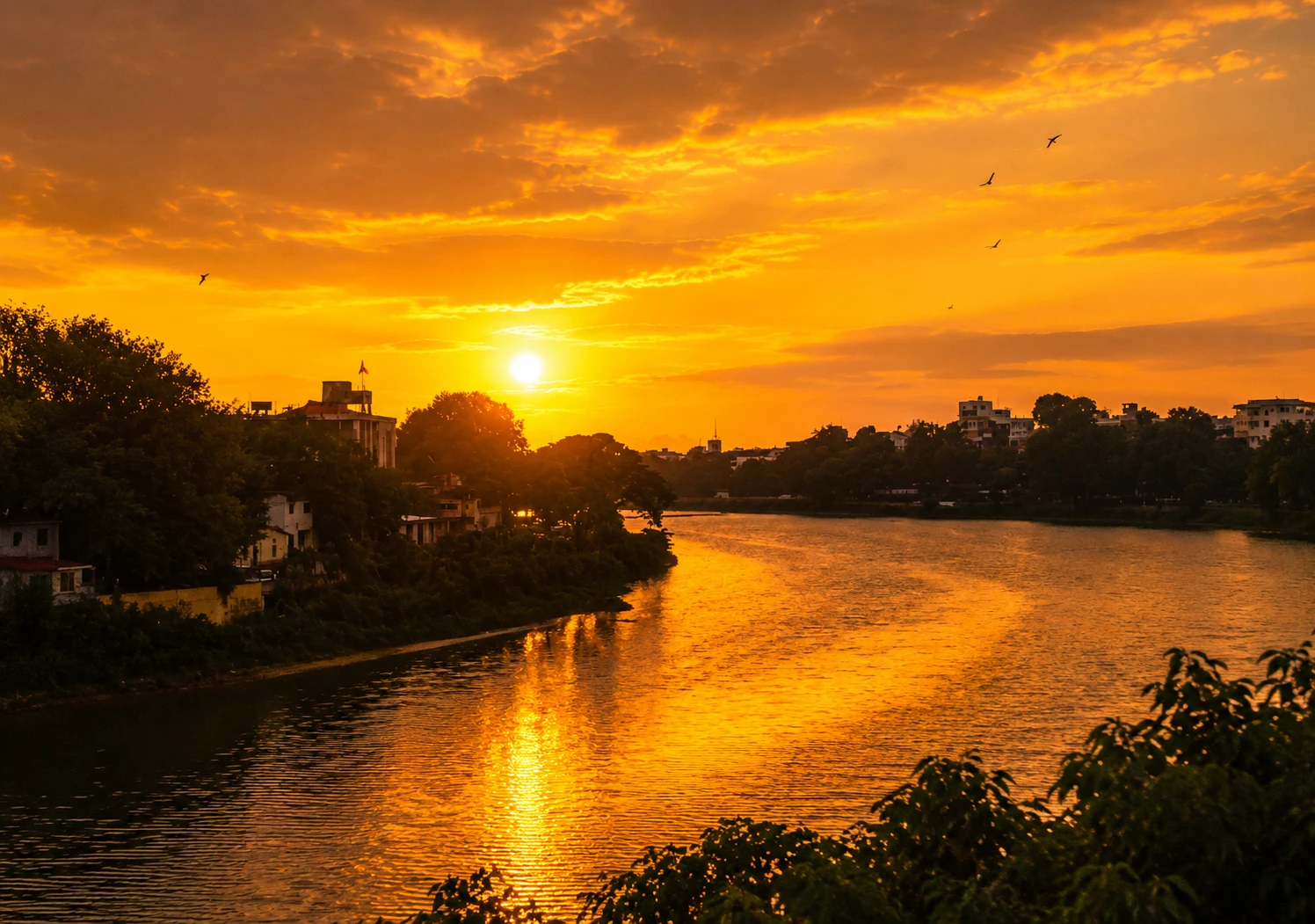
Long before Nashik became one of India's holiest pilgrimage destinations, the Godavari River had already begun shaping its identity. Flowing gracefully through the heart of the city, the Godavari is much more than a river. It is a symbol of faith, a witness to centuries of history, and the spiritual lifeline of millions of devotees. Revered as the Dakshin Ganga or the Ganges of the South, it has inspired saints, nurtured civilizations, and become the centre of one of the world's greatest spiritual gatherings—the Nashik Kumbh Mela. Every sunrise over its sacred waters tells a story of devotion that has never stopped flowing.
A River Born in the Sacred Hills of Trimbakeshwar
Every great river has a beginning, but few have origins as spiritually significant as the Godavari. The river begins its journey near Trimbakeshwar, at the foothills of the Brahmagiri Hills, a place deeply revered in Hindu tradition. According to ancient beliefs, the river descended to Earth through the blessings of Lord Shiva and the unwavering devotion of Sage Gautama.
Before flowing across the Deccan Plateau and nourishing several Indian states, the Godavari begins as a sacred stream in the land that has been worshipped for centuries. For pilgrims, visiting both the river's origin and its sacred ghats in Nashik completes a deeply meaningful spiritual journey.
Why Is the Godavari Called the Dakshin Ganga?
The Ganga holds a special place in Indian spirituality, but for millions living in southern and central India, the Godavari carries the same sacred reverence. It is therefore lovingly known as the Dakshin Ganga—the Ganges of the South. Generations of devotees have offered prayers on its banks, performed sacred rituals, and sought blessings in its waters.
Just as the Ganga symbolizes spiritual purification in northern India, the Godavari has become an enduring source of devotion across the south and west. Its significance extends beyond geography—it is woven into the spiritual consciousness of India.
The Heart of Nashik Kumbh
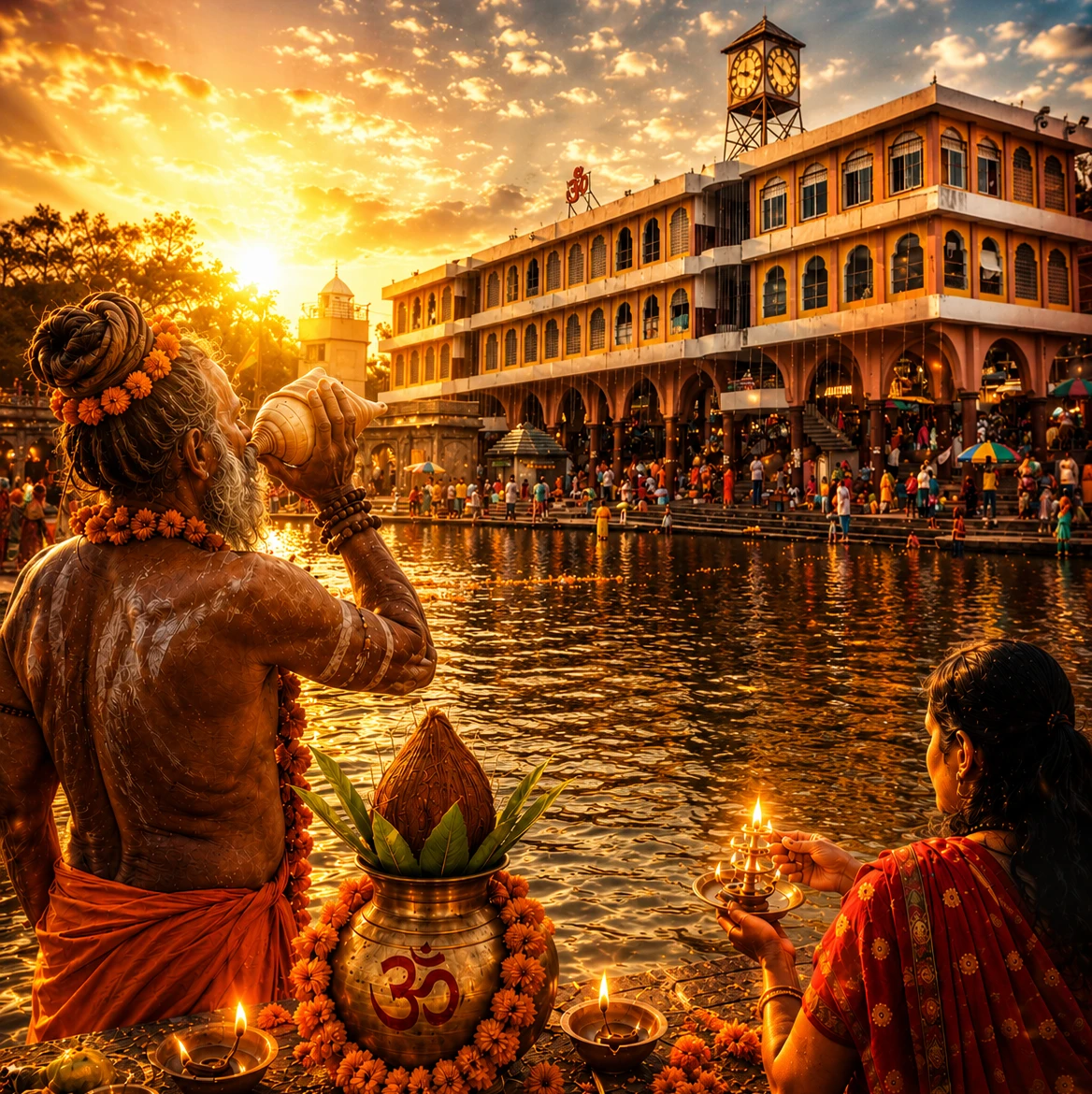
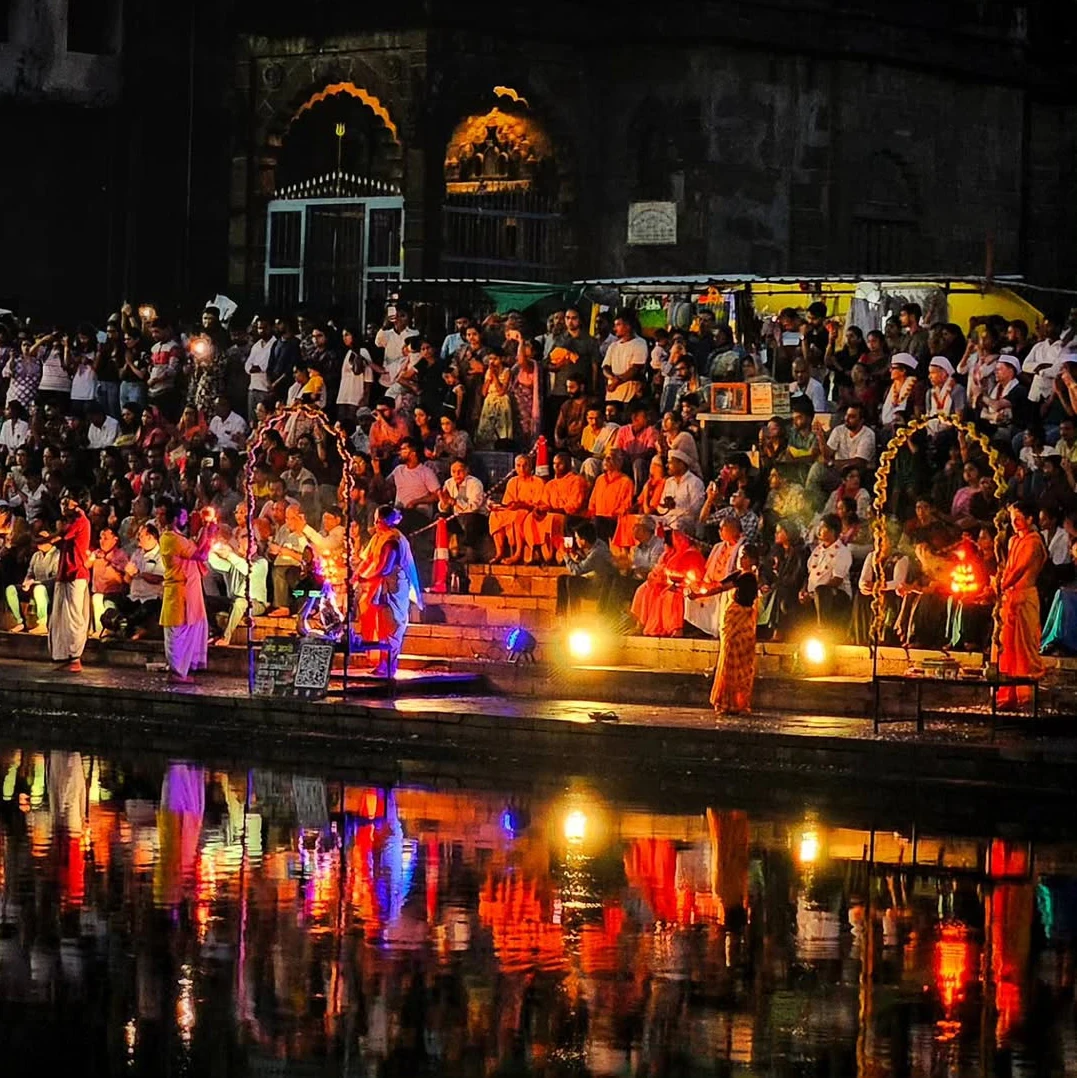
During the Simhastha Kumbh, the Godavari becomes the centre of one of the world's largest spiritual gatherings. Millions of pilgrims gather along its ancient ghats to participate in the sacred bathing rituals that define the Kumbh. Before dawn, the riverbanks come alive with devotional chants, temple bells, and prayers offered with folded hands.
The sacred bath is not viewed merely as a ritual but as a moment of spiritual reflection, gratitude, and renewal. For countless devotees, standing beside the Godavari during the Kumbh becomes the most memorable moment of their pilgrimage.
Ramkund: The Soul of the Sacred River
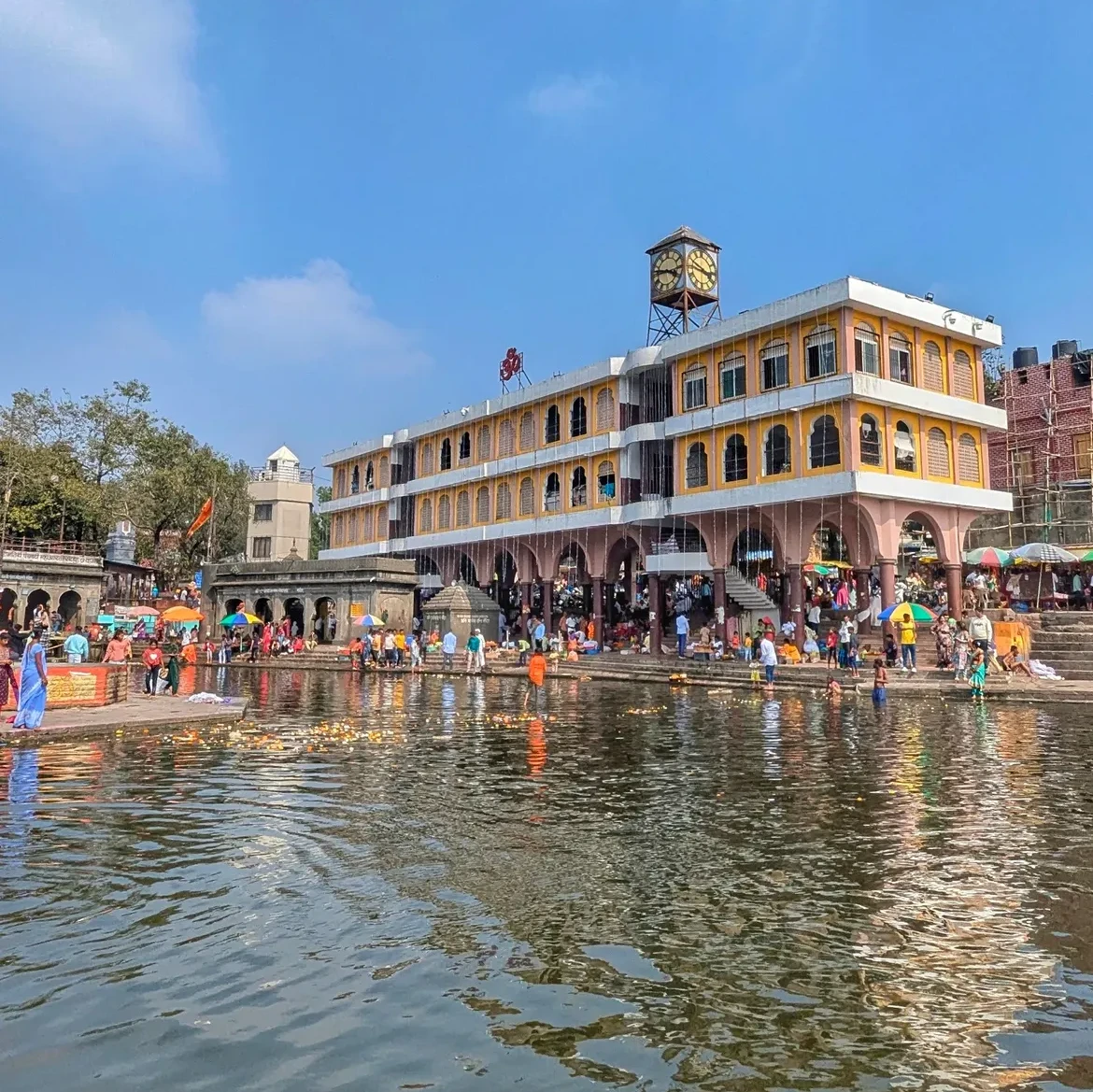
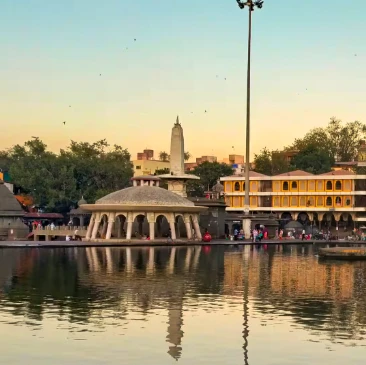
Among the many ghats along the Godavari, Ramkund occupies a place of extraordinary importance. According to tradition, Lord Rama is believed to have performed sacred rituals here during his exile. Over the centuries, Ramkund has become one of Nashik's most revered pilgrimage sites, attracting devotees throughout the year.
During the Kumbh Mela, the ghat transforms into a vibrant centre of faith where pilgrims gather to perform rituals, offer prayers for their ancestors, and take part in the holy bath. The spiritual atmosphere of Ramkund beautifully reflects the timeless connection between the river and the people who continue to honour it.
More Than Water—A Living Heritage
The Godavari has never been merely a geographical feature. It has shaped Nashik's culture, festivals, traditions, literature, architecture, and everyday life. Ancient temples were built along its banks. Saints composed devotional hymns inspired by its sacred flow. Festivals evolved around its presence, while generations of pilgrims found peace beside its waters. Even today, the rhythm of life in Nashik continues to be closely connected with the river that has sustained both the city's spiritual identity and its cultural heritage.
Preserving a Sacred Legacy
As millions visit Nashik every year, protecting the Godavari has become a shared responsibility. River conservation, cleanliness initiatives, sustainable pilgrimage practices, and environmental awareness are increasingly important in preserving the sanctity of this sacred waterway. The river has nurtured generations for centuries.
Its future now depends on the collective efforts of governments, local communities, spiritual organizations, and every visitor who comes to seek its blessings. Respecting the Godavari is not simply an environmental responsibility—it is an act of devotion.
The River That Connects Past, Present and Future
The Godavari has watched kingdoms rise and fall, It has welcomed saints, poets, philosophers, pilgrims, and travellers for centuries, It has remained constant while generations have changed around it. As Nashik Kumbh 2027 approaches, the sacred river once again prepares to welcome millions of devotees who will gather on its banks with hope, gratitude, and faith. For some, it will be their first visit. For others, it will be a long-awaited return.
But for everyone, the Godavari offers the same timeless message—that life, like a river, is most meaningful when it flows with purpose, humility, and devotion. The Godavari River is not simply the lifeline of Nashik. It is the eternal soul of the city, flowing through its history, spirituality, and the hearts of millions who continue to call it sacred.