

Simhastha Kumbh 2027: The Sacred Bathing Rituals and Their Spiritual Significance
Among the countless traditions that define the Kumbh Mela, none is more sacred or spiritually profound than the ritual of the holy bath, known as Snan. At first glance, it may appear to be millions of devotees entering a river together. Yet, for those who understand its deeper meaning, it is an act of faith, purification, surrender, and spiritual renewal.
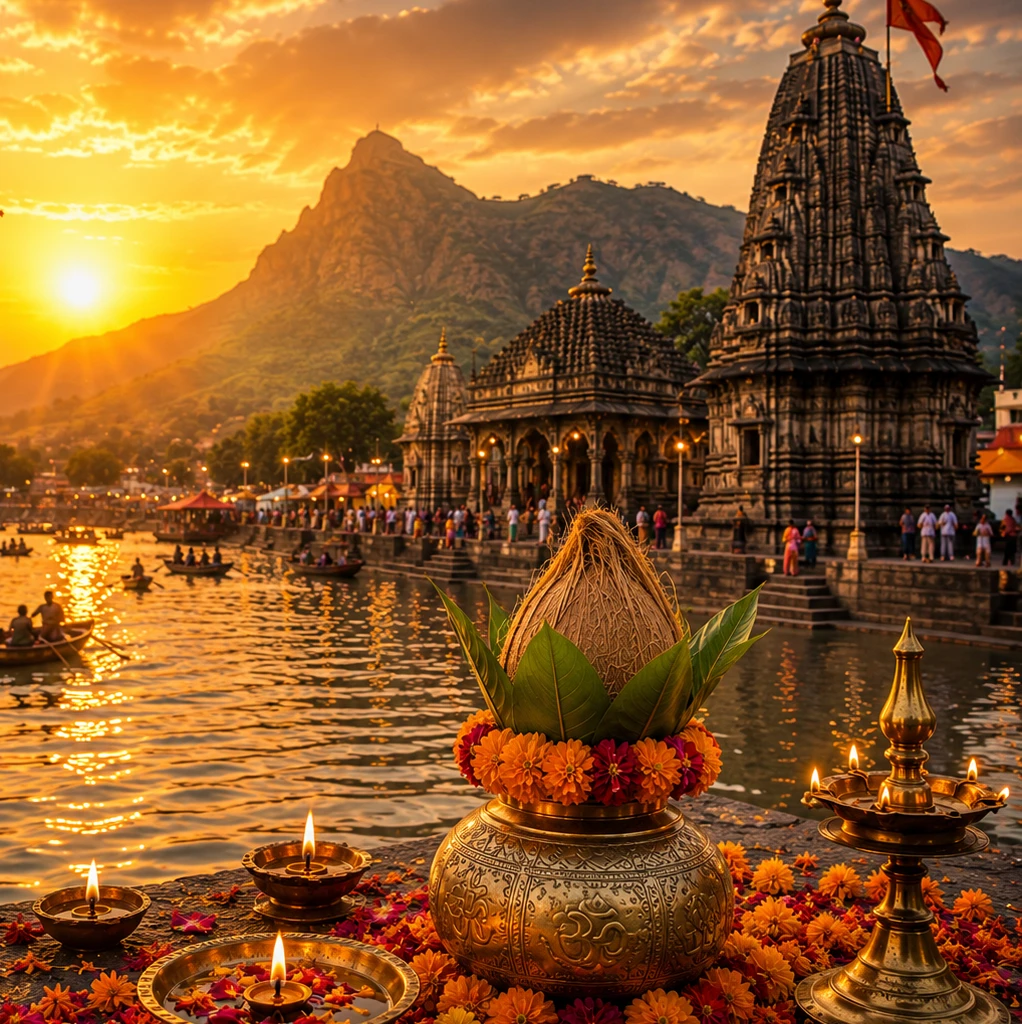
During Simhastha Kumbh 2027, the sacred waters of the Godavari River in Nashik and the holy bathing ghats of Trimbakeshwar will once again become the centre of one of the world's largest spiritual gatherings. Every holy bathing date carries its own religious significance, drawing saints, ascetics, and devotees who believe that bathing at the most auspicious moment brings inner purification and divine blessings.
The Meaning Behind the Sacred Bath
In Sanatan tradition, water is regarded as the source of life, purity, and spiritual transformation. A holy dip during the Kumbh is not simply a physical act but a symbolic journey of leaving behind negativity and embracing a path of righteousness and devotion.
Ancient scriptures describe the sacred bath as an opportunity for self-reflection, humility, and spiritual awakening. For millions of pilgrims, it is a moment of deep prayer where faith becomes more important than ritual itself.
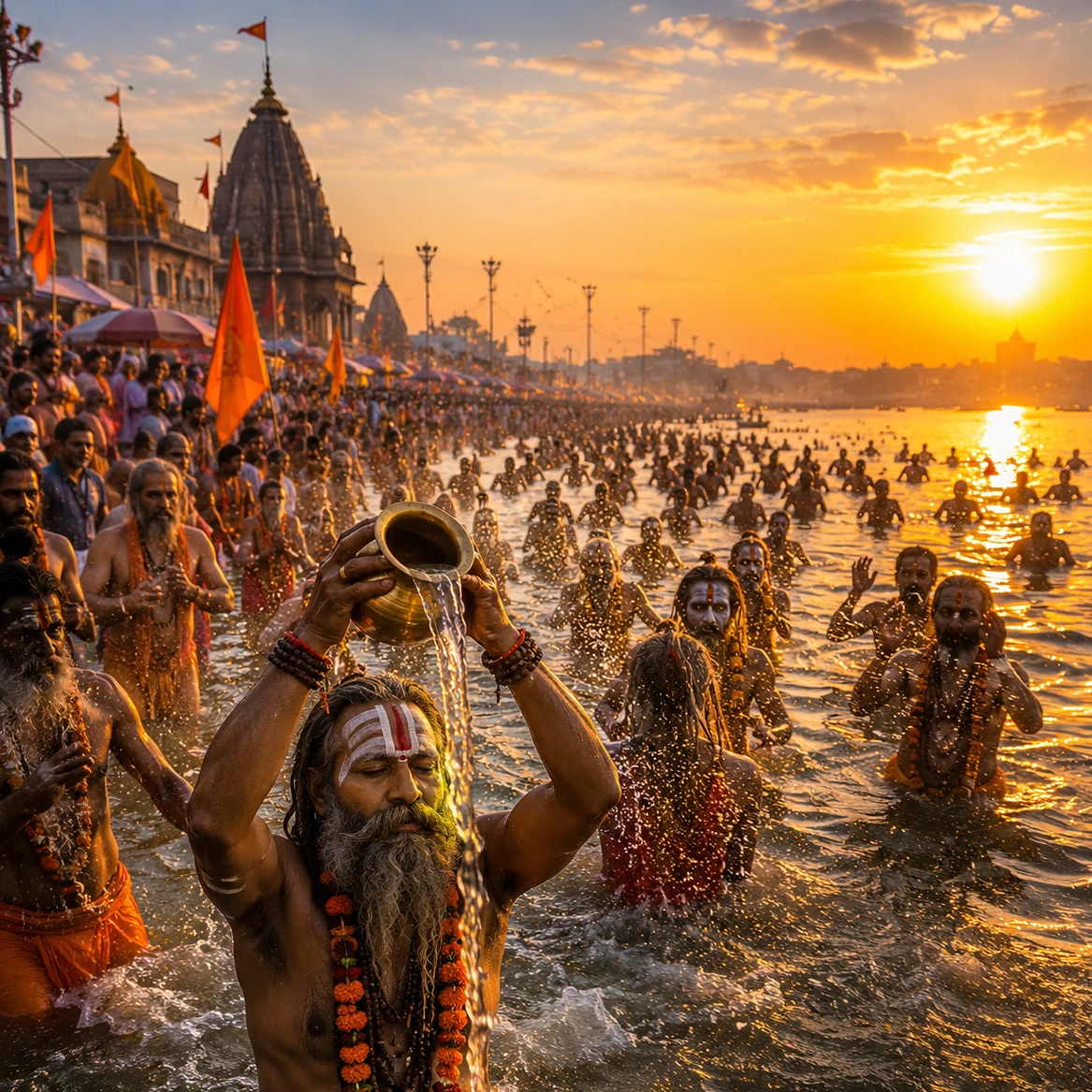
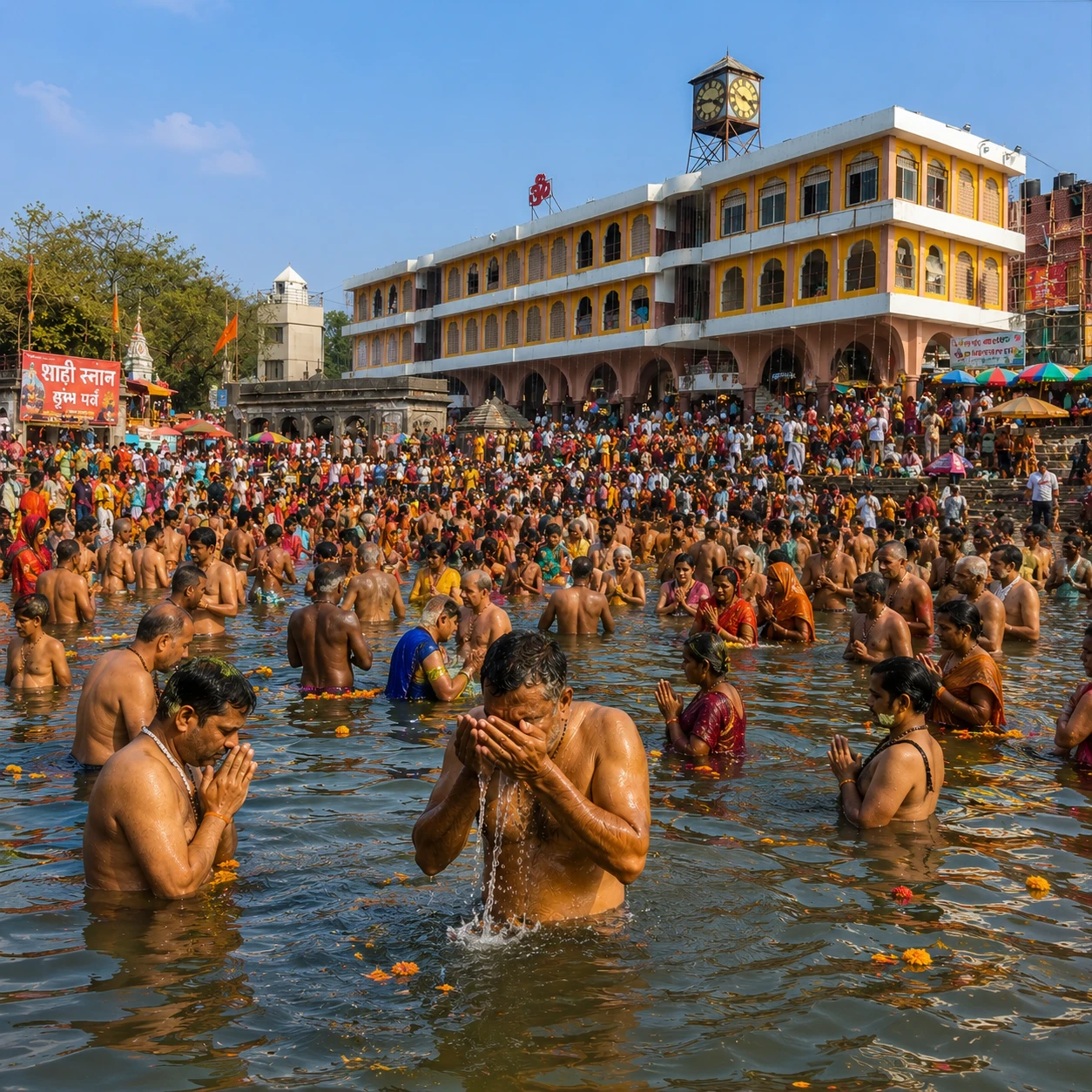
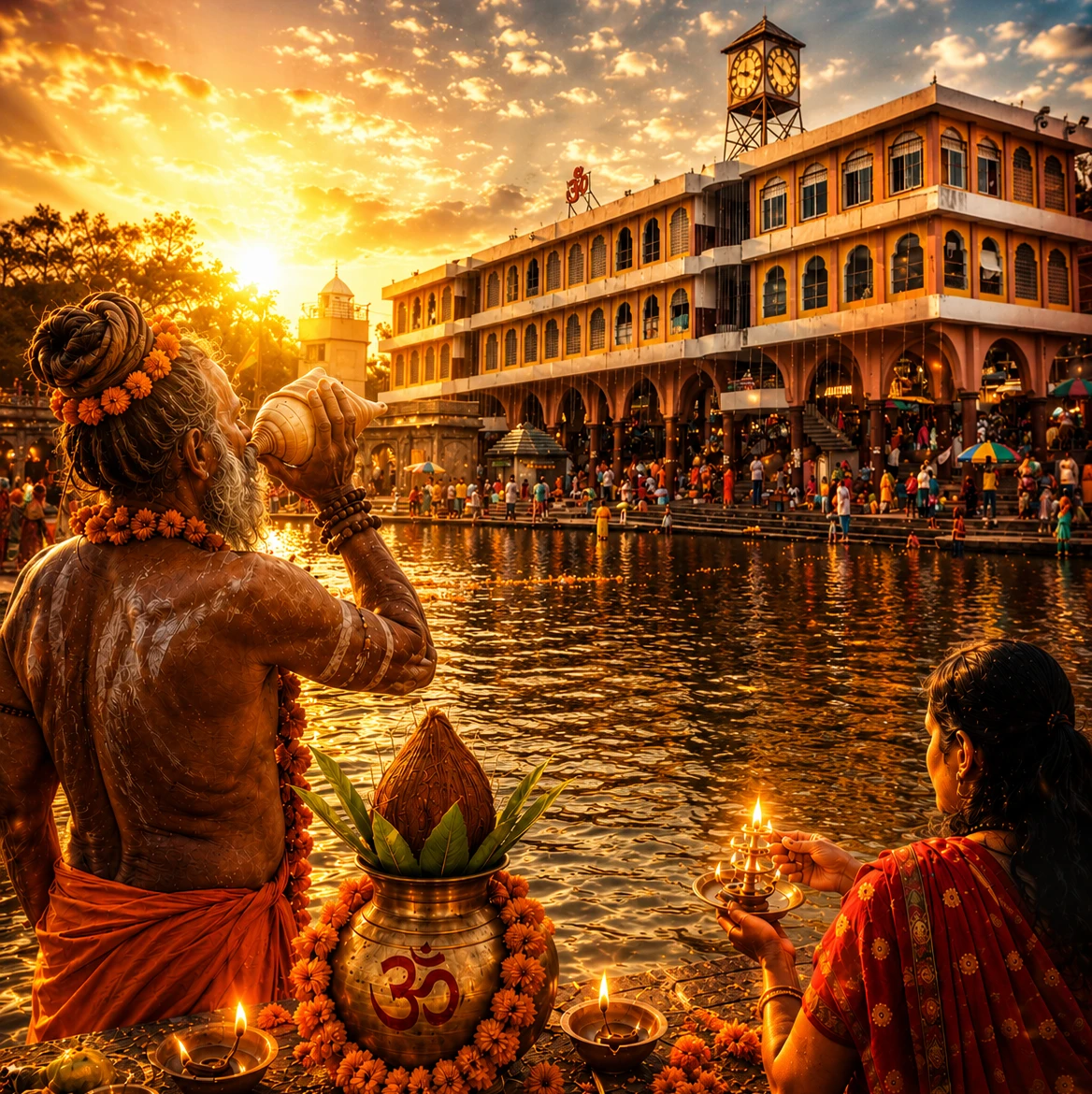
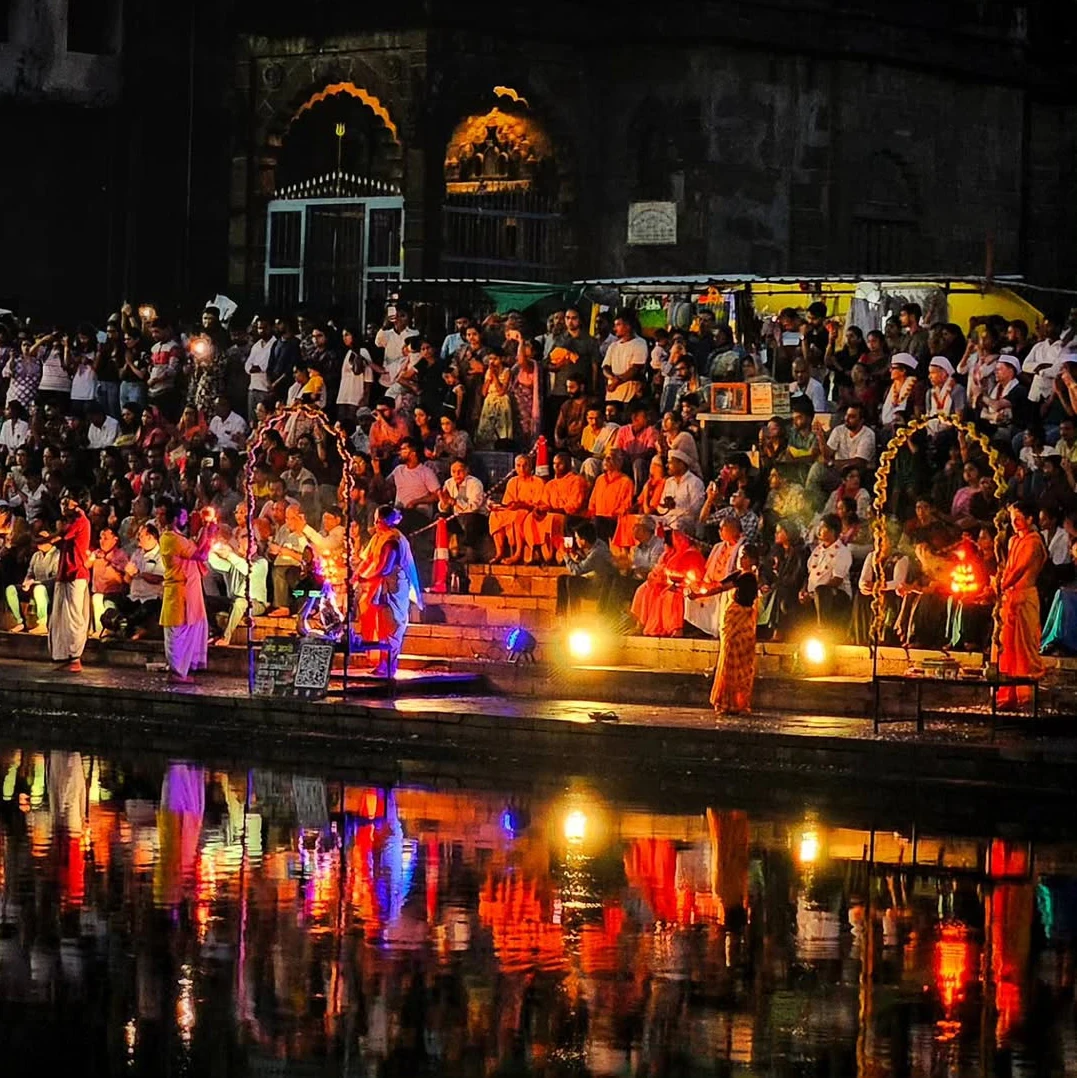
Standing on the banks of the Godavari, surrounded by devotional chants and the sound of temple bells, devotees believe they are participating in a tradition that has connected generations for thousands of years.
Why Are Certain Bathing Dates Considered Sacred?
The holy bathing dates of the Kumbh Mela are determined according to ancient Hindu astronomy and astrology. The movement of the Sun, Moon, and Jupiter creates highly auspicious celestial alignments that are believed to enhance the spiritual significance of the ritual.
In Nashik, the Kumbh is celebrated when Jupiter enters the zodiac sign Leo (Simha), giving the festival its traditional name—Simhastha Kumbh. These carefully calculated planetary positions transform ordinary days into sacred occasions, attracting millions of devotees who gather to take part in this timeless spiritual tradition.
The Significance of Shahi Snan
Among all the bathing rituals, Shahi Snan, or the Royal Bath, is considered the most spectacular and spiritually significant. Before the general public enters the sacred waters, the ancient Akharas—monastic orders representing centuries-old spiritual traditions—lead magnificent ceremonial processions toward the river. The arrival of the revered Naga Sadhus, accompanied by traditional music, conch shells, saffron flags, and devotional chants, creates an unforgettable spiritual atmosphere.
For many visitors, witnessing the Shahi Snan is one of the defining experiences of the entire Kumbh Mela.
A River That Becomes a Living Pilgrimage
During Simhastha, the Godavari is transformed into much more than a river. Every ghat becomes a place of prayer, every temple echoes with devotion, and every devotee contributes to an atmosphere of collective faith.
Pilgrims gather long before sunrise, waiting patiently for the auspicious moment. Families pray together, saints meditate in silence, and thousands of volunteers dedicate themselves to serving visitors.
The river becomes a symbol of unity—bringing together people from different regions, languages, and cultures through a shared expression of faith.
More Than Ritual, A Journey Within
Although the holy bath is the central ritual of the Kumbh, its true significance lies beyond the water itself. It is an opportunity to pause from the pace of everyday life, reflect on one's spiritual journey, seek forgiveness, express gratitude, and reconnect with timeless values of compassion, discipline, and humility. Many pilgrims describe the experience not simply as a religious ceremony but as an emotional and deeply personal transformation.
Preparing for the Sacred Experience in 2027
With millions expected to visit Nashik during Simhastha Kumbh 2027, preparations are being undertaken to ensure a safe, organized, and memorable pilgrimage. Enhanced infrastructure, improved transportation, expanded public facilities, and better crowd management will help pilgrims experience the festival comfortably while preserving its spiritual essence.
Visitors are encouraged to plan their journey in advance, stay informed through official announcements, and respect the traditions and sanctity of the festival.
A Moment That Lives Beyond Time
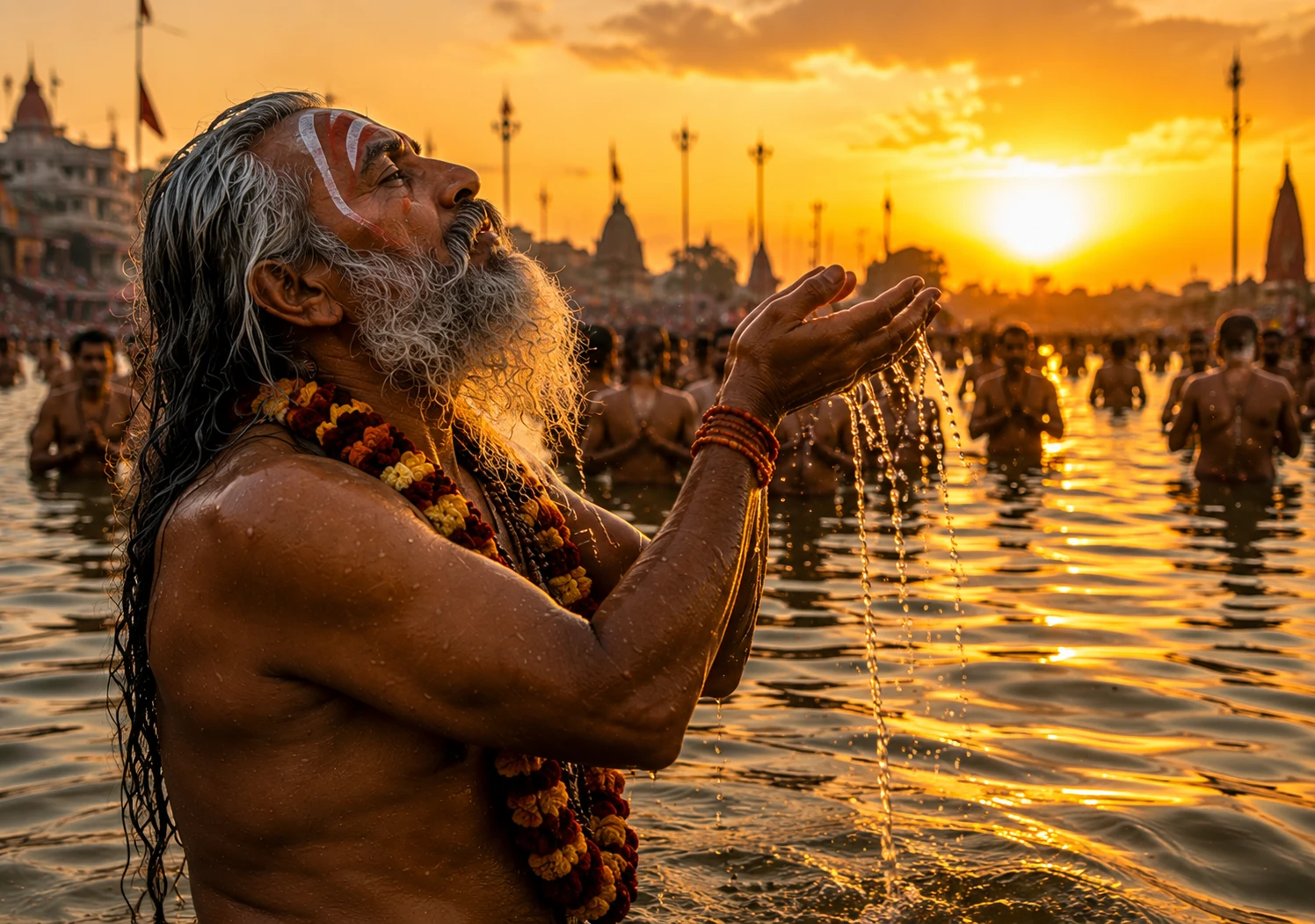
The sacred bathing rituals of Simhastha Kumbh are far more than ancient customs—they are living expressions of faith that continue to inspire generations. As the first rays of sunlight reflect upon the Godavari and millions of devotees step into its sacred waters with folded hands and unwavering devotion, the significance of the Kumbh becomes clear. It is not simply about being present at a festival; it is about becoming part of a spiritual tradition that has flowed continuously through the heart of India for centuries.
For anyone seeking to witness the soul of the Kumbh Mela, the holy bathing rituals of Simhastha Kumbh 2027 offer an experience that is both timeless and profoundly transformative.