

Kumbh Mela: The World's Largest Spiritual Gathering
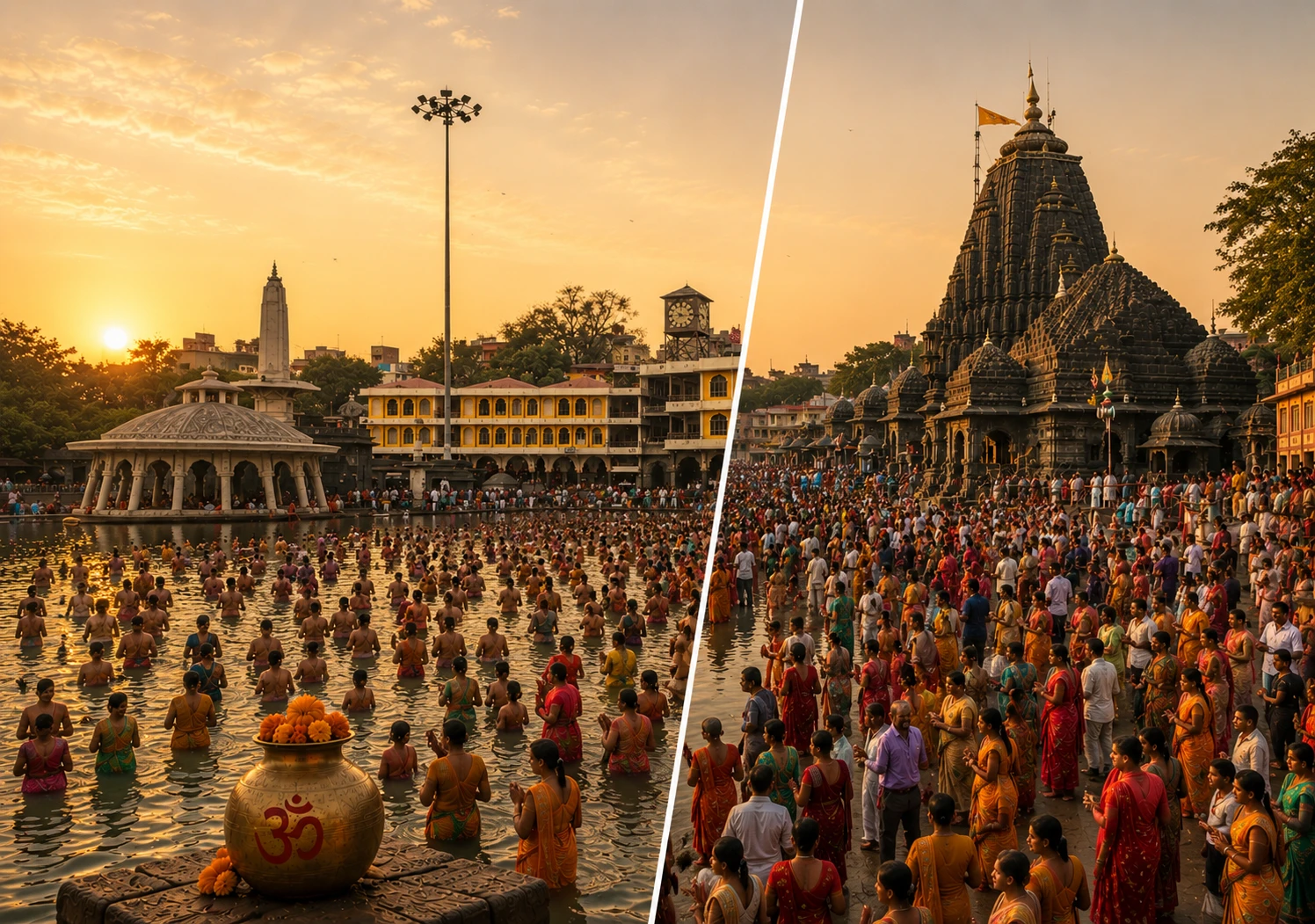
There are festivals that celebrate culture. There are events that bring people together. And then there is the Kumbh Mela—a gathering so immense that it transcends the boundaries of religion, geography, and time. Every twelve years, millions of pilgrims, saints, scholars, photographers, and curious travellers converge on the sacred riverbanks of India. They arrive from bustling cities, remote villages, and countries across the globe, all drawn by a shared belief that some journeys are worth a lifetime of waiting.
The Kumbh Mela is often described as the largest religious gathering in the world, but numbers alone cannot explain its significance. Its true grandeur lies in the centuries-old traditions, unwavering faith, and extraordinary sense of unity that transform four sacred cities into living centres of spirituality.
A Gathering Unlike Any Other
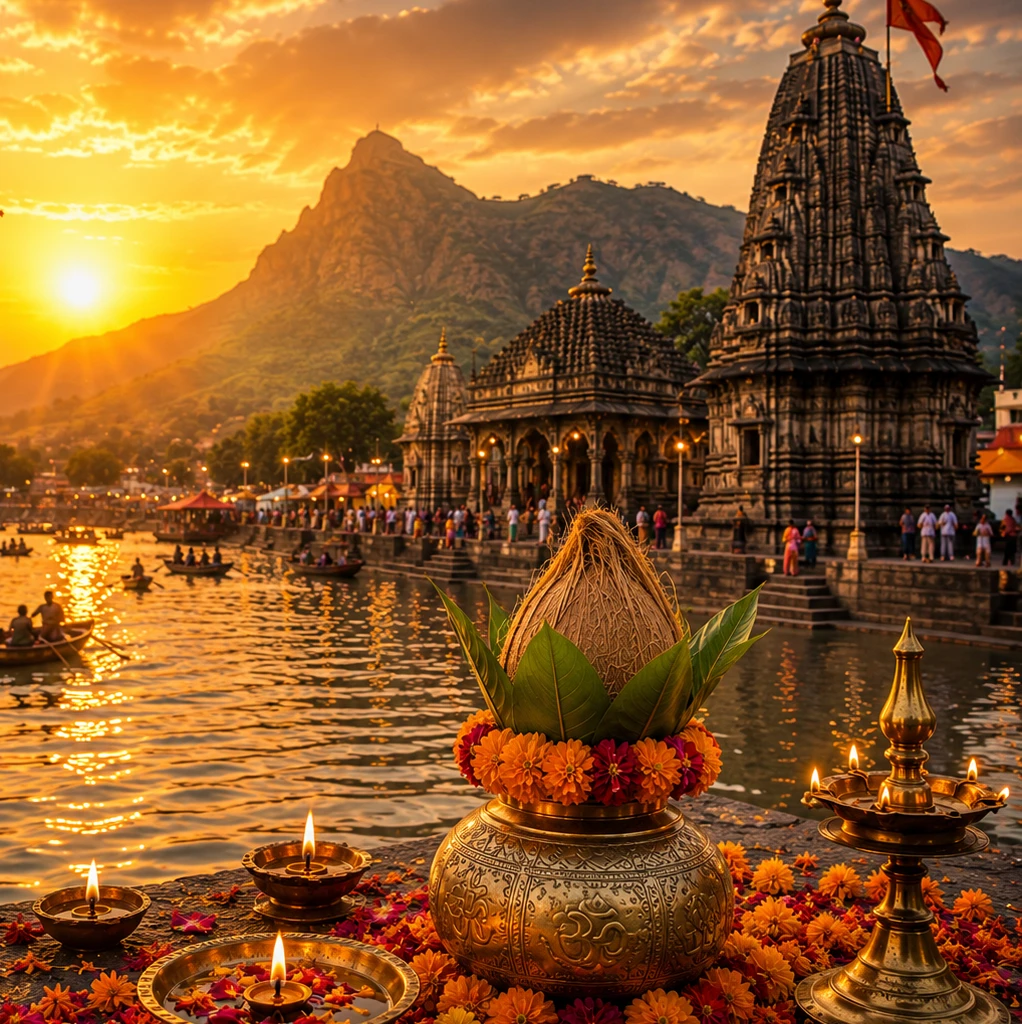
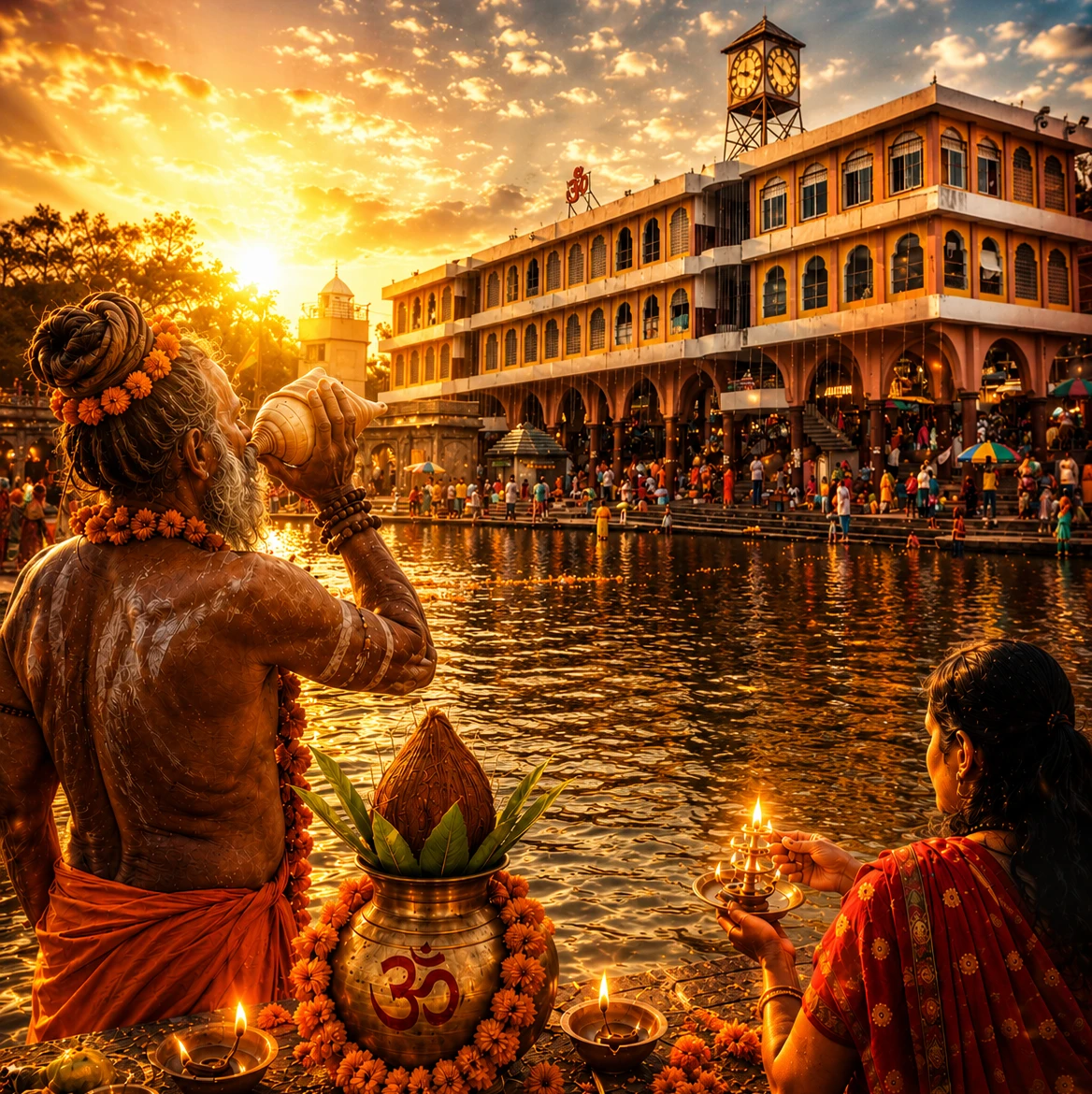
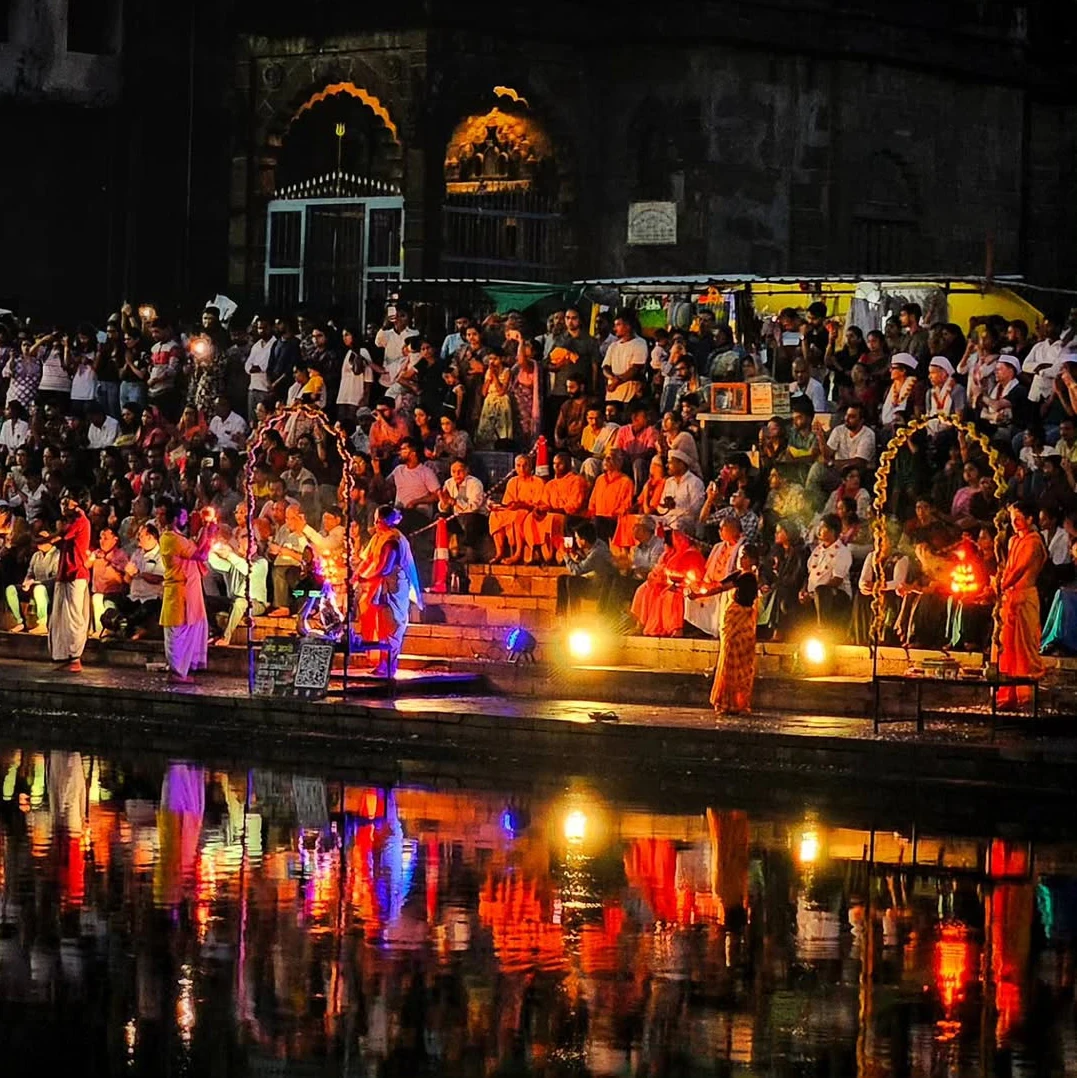
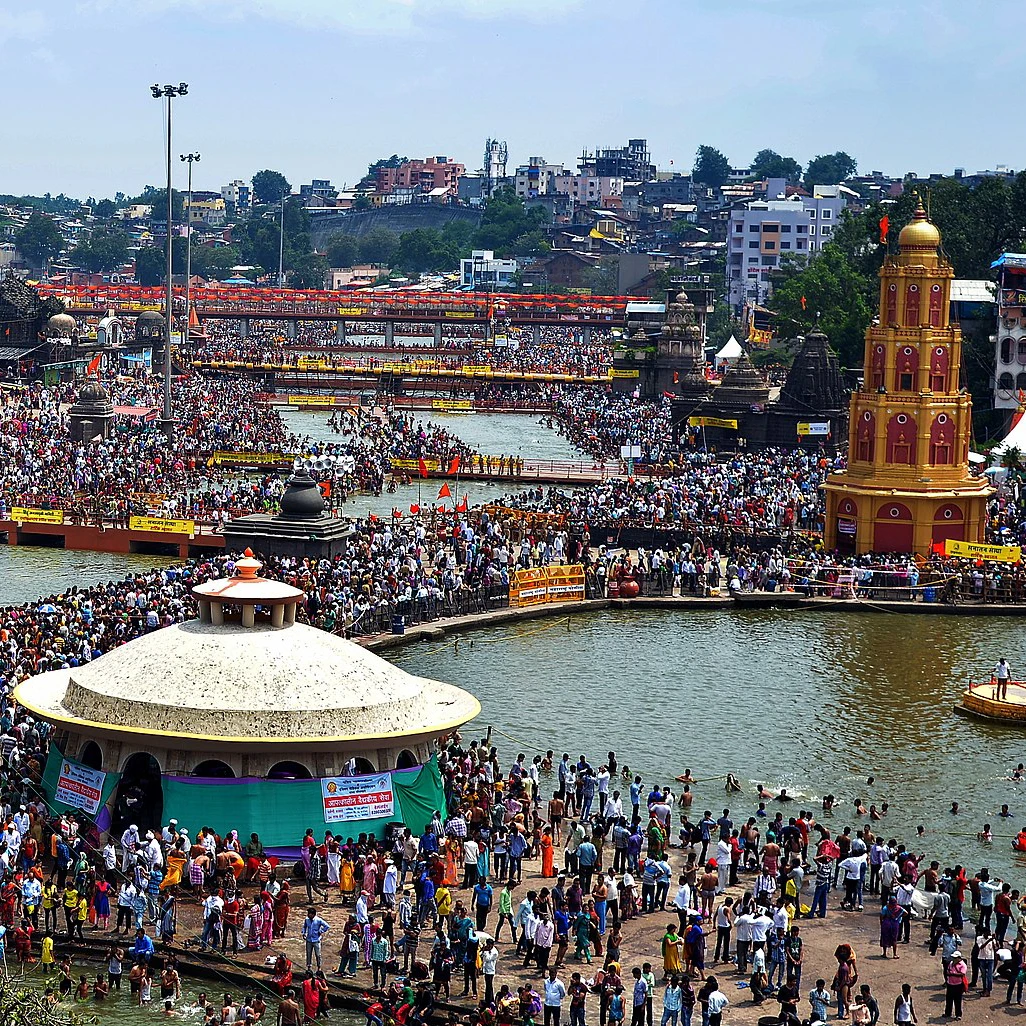
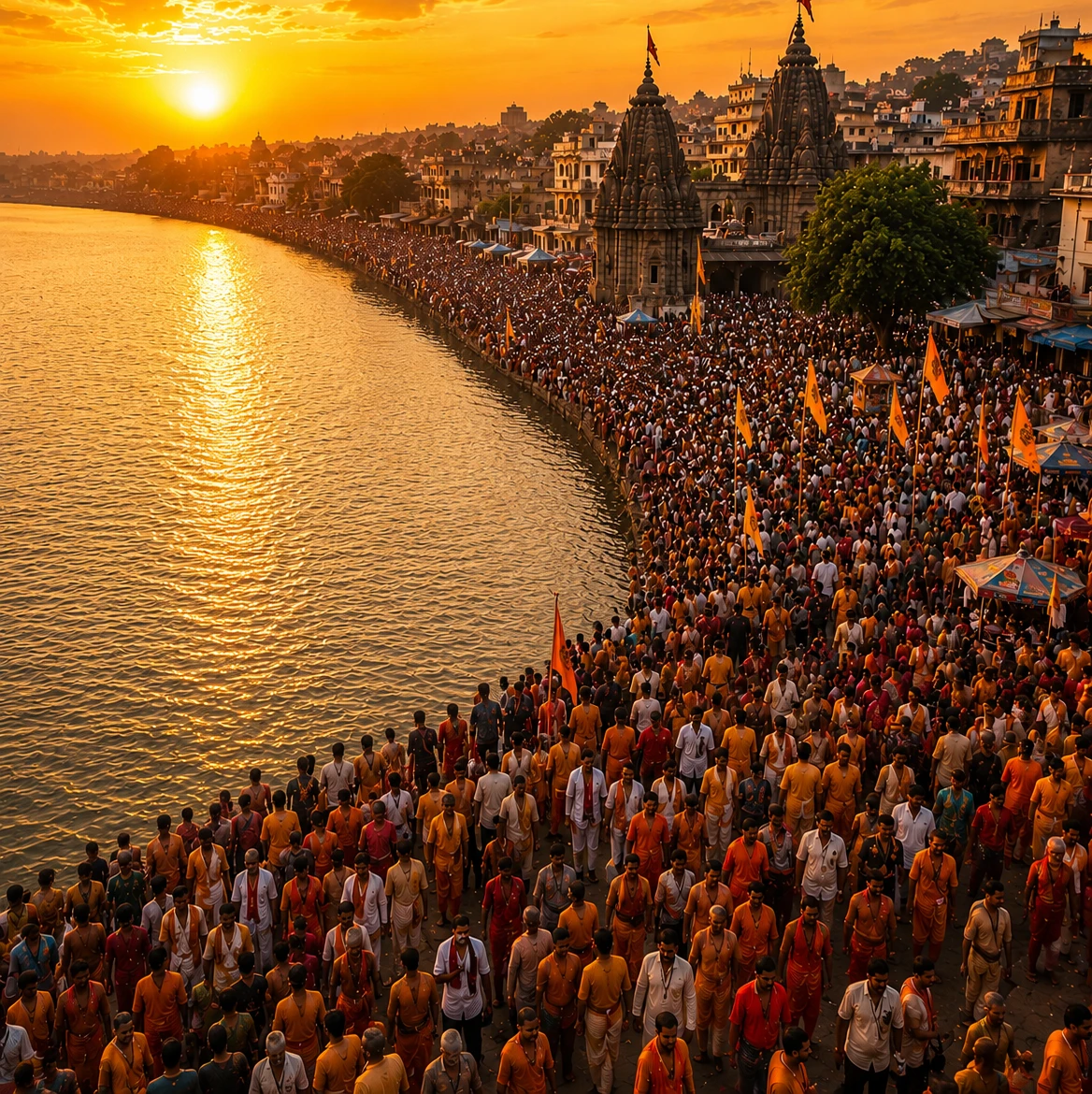
Imagine a city that welcomes millions of people, not for entertainment or spectacle, but for prayer. As dawn breaks, the air fills with the sound of temple bells and sacred chants. Pilgrims quietly make their way towards the river, saints emerge from ancient monasteries, and the first rays of sunlight illuminate the holy waters where countless devotees gather in silent devotion.
This remarkable sight unfolds not for a single day, but over weeks of religious ceremonies, cultural celebrations, and spiritual gatherings. It is this extraordinary scale, combined with its profound spiritual purpose, that makes the Kumbh Mela unlike any other event on Earth.
A Tradition That Has Endured for Centuries
The roots of the Kumbh Mela stretch deep into India's spiritual heritage. Inspired by the ancient legend of Samudra Manthan, the festival has been observed for centuries as a symbol of faith, purification, and the eternal search for spiritual wisdom. Generation after generation, pilgrims have travelled to the sacred cities of Prayagraj, Haridwar, Ujjain, and Nashik, preserving traditions that continue to inspire millions today.
Unlike many ancient customs that gradually faded with time, the Kumbh has continued to grow, becoming a remarkable example of a living tradition that remains relevant in the modern world.
More Than Millions of Pilgrims
While the immense number of visitors often captures global attention, the Kumbh Mela is much more than a gathering of crowds. It is a meeting place of philosophies, cultures, and spiritual traditions.
Ancient Akharas preserve centuries-old monastic practices. Spiritual leaders deliver discourses that attract seekers from every background. Artists, musicians, researchers, and photographers find inspiration in every corner of the festival, while volunteers dedicate themselves to serving pilgrims with compassion and humility. The Kumbh is not defined by its size alone—it is defined by the shared spirit of devotion that unites everyone who becomes part of it.
Where Diversity Finds Unity
Few events demonstrate India's cultural diversity as beautifully as the Kumbh Mela. People from different languages, traditions, communities, and regions gather with a common purpose. Along the same riverbank, one may encounter ascetics who have spent decades in meditation, families making their first pilgrimage, scholars studying ancient traditions, and travellers experiencing India's spiritual heritage for the very first time.
Despite their differences, everyone becomes part of a single journey. It is this rare sense of unity that has made the Kumbh Mela a symbol of harmony and collective faith.
A Living Museum of Indian Civilization
Walking through the Kumbh Mela is like walking through the living history of India. Ancient rituals continue exactly as they have for generations. Sacred hymns are still recited in Sanskrit. Traditional processions move through the streets with remarkable discipline. Monastic orders preserve knowledge that has been passed from guru to disciple for centuries.
Unlike museums that preserve the past through objects, the Kumbh preserves history through people. Every ritual, every prayer, and every tradition contributes to one of the world's oldest continuously practiced spiritual gatherings.
Why Nashik Holds a Special Place
Among the four sacred Kumbh cities, Nashik offers an experience that beautifully combines spirituality, mythology, and history. The sacred Godavari River, the revered Trimbakeshwar Jyotirlinga, and the city's deep connection with the Ramayana create an atmosphere that is both peaceful and profoundly inspiring.
During Simhastha Kumbh 2027, Nashik will once again welcome millions of devotees, continuing a tradition that has flourished for centuries while embracing visitors from around the world. It is here that faith flows not only through the sacred river but through every street, temple, and heart.
More Than a Festival—A Legacy for Humanity
The Kumbh Mela reminds us that some traditions are too profound to be measured simply by attendance records or statistics. Its true greatness lies in its ability to preserve ancient wisdom while bringing together people from every walk of life. It is a celebration of spirituality without boundaries, culture without divisions, and humanity united through faith.
The Kumbh Mela reminds us that some traditions are too profound to be measured simply by attendance records or statistics. Its true greatness lies in its ability to preserve ancient wisdom while bringing together people from every walk of life. It is a celebration of spirituality without boundaries, culture without divisions, and humanity united through faith.