

Preparing for Nashik Kumbh 2027: Transforming the City for a Historic Gathering
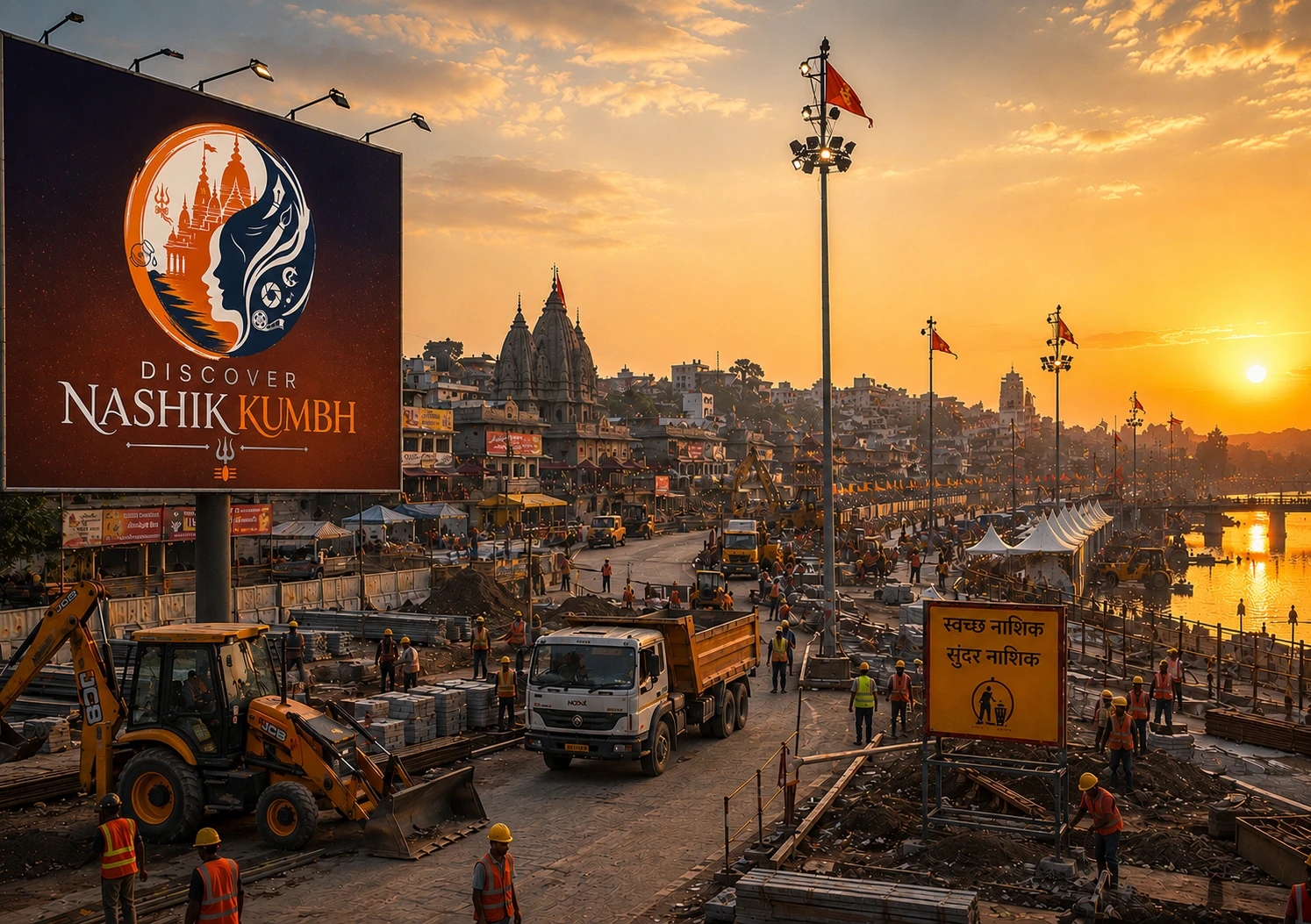
Every Kumbh Mela is remembered not only for its spiritual significance but also for the remarkable preparations that make one of the world's largest human gatherings possible. As Nashik prepares for Simhastha Kumbh 2027, the city is entering a new phase of transformation. Roads are expanding, public infrastructure is being strengthened, riverfronts are being rejuvenated, and civic facilities are being upgraded—all with a single purpose: to welcome millions of pilgrims, saints, and visitors from across India and around the world.
These preparations go far beyond construction projects. They represent a long-term vision to preserve Nashik's spiritual heritage while creating a safer, cleaner, and more accessible experience for every visitor.
Building a City Ready to Welcome Millions
Hosting the Kumbh Mela is a responsibility unlike any other. Within a short span of time, Nashik must accommodate an enormous influx of pilgrims while ensuring their safety, comfort, and convenience. To achieve this, authorities undertake extensive planning years in advance.
Transportation networks are reviewed, roads are widened, bridges are strengthened, and traffic management systems are redesigned to facilitate the smooth movement of people throughout the city. Temporary facilities, emergency response systems, parking zones, and pedestrian routes are also carefully planned to handle the scale of the gathering without disrupting the city's daily life.
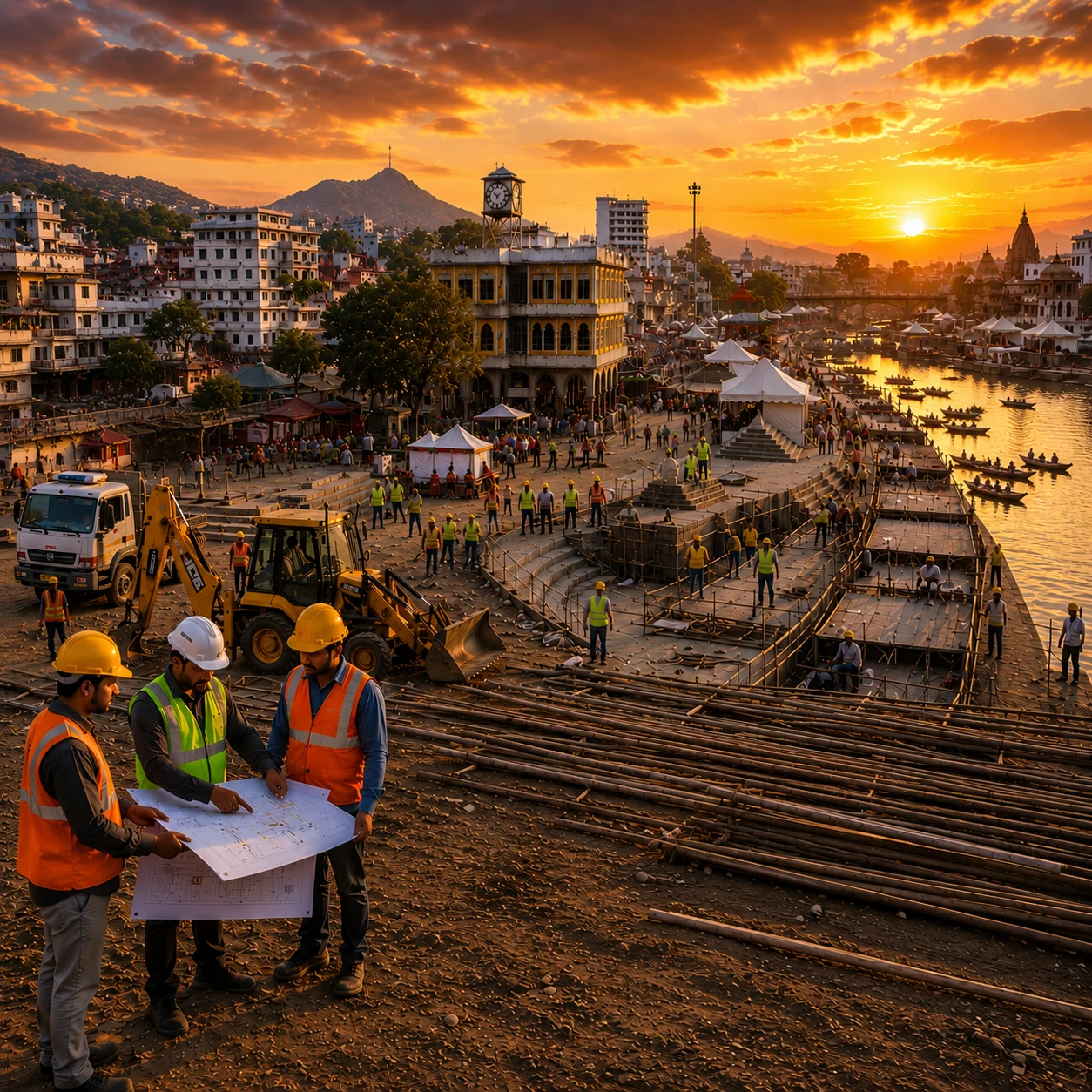
Revitalising the Sacred Godavari Riverfront
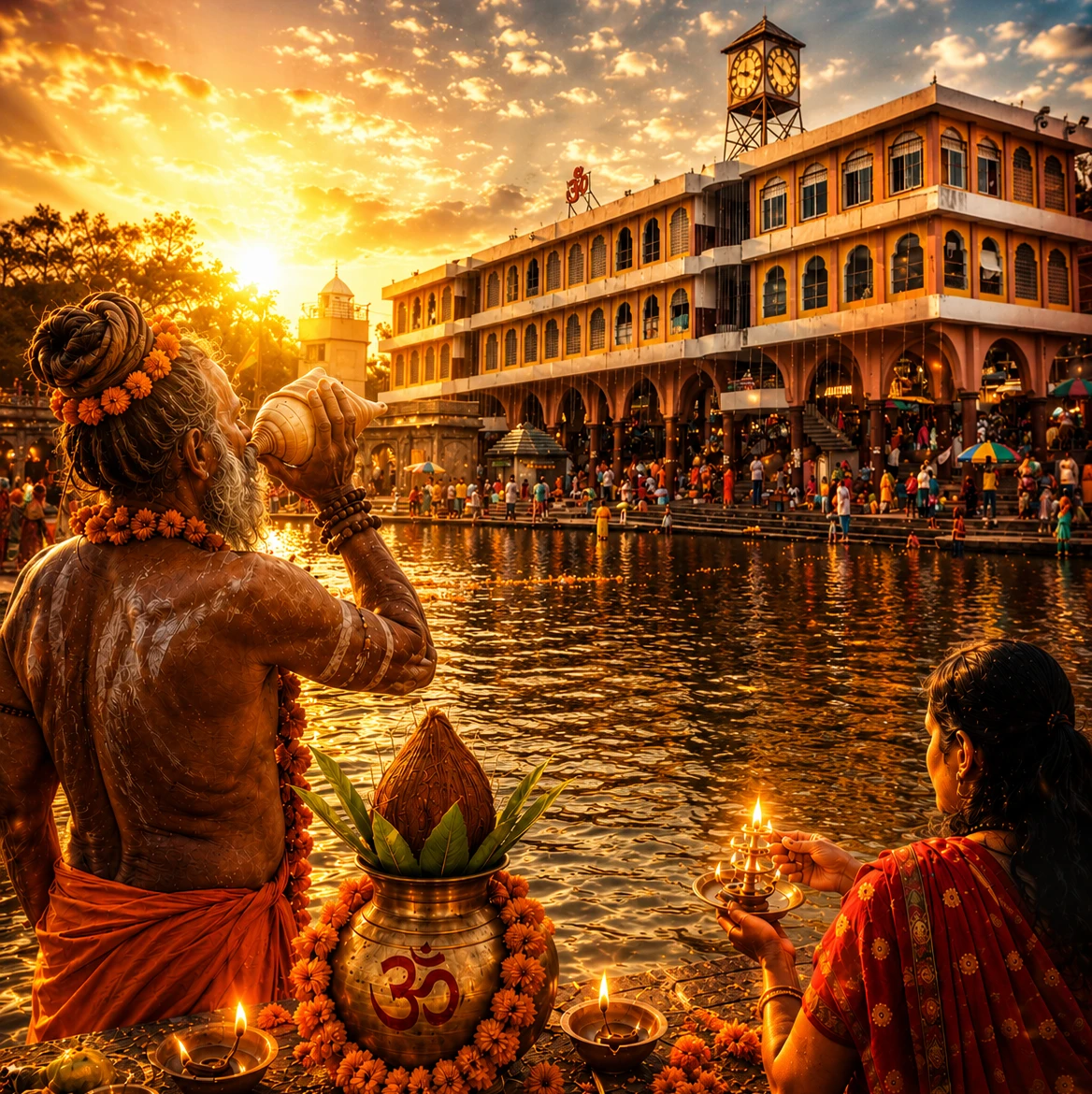
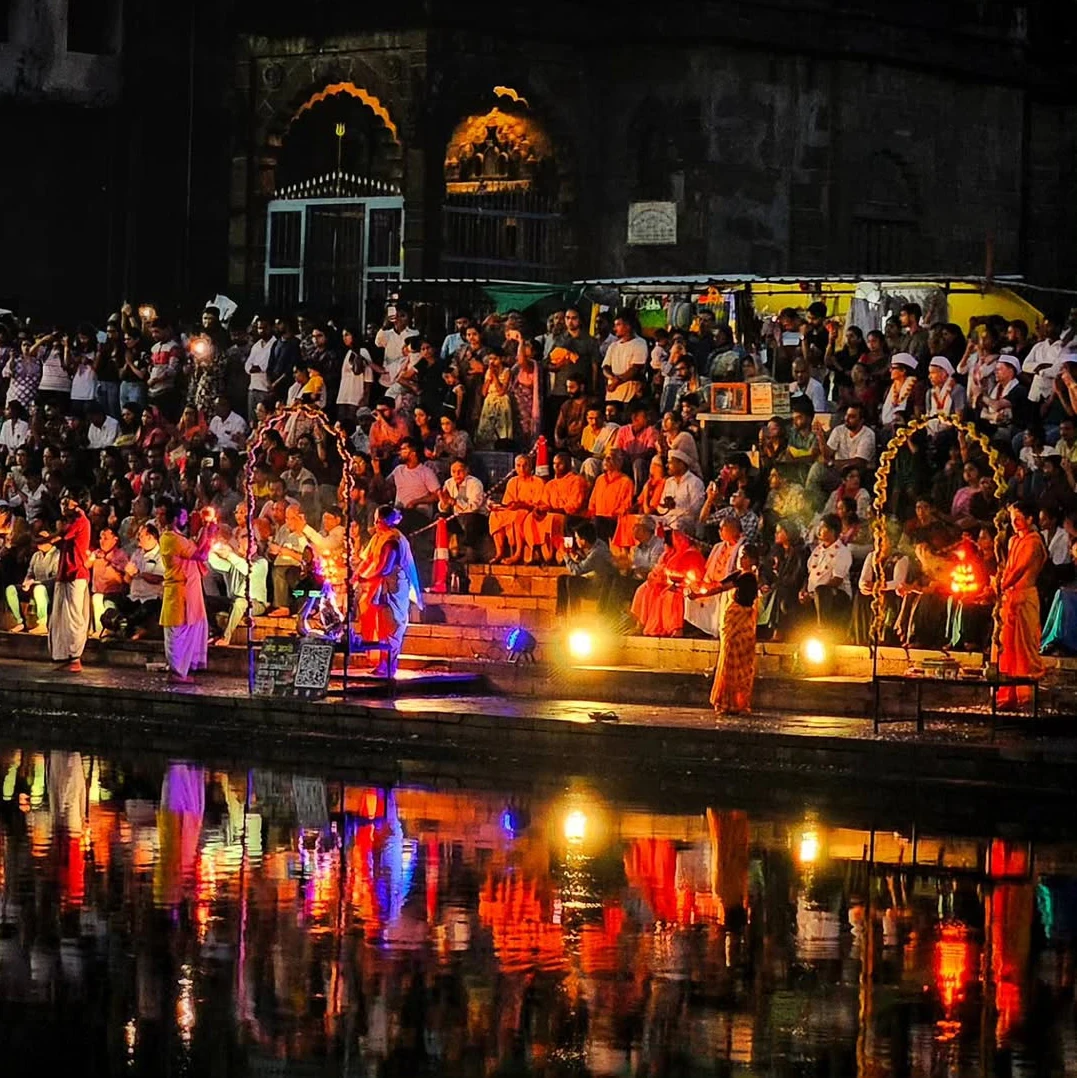
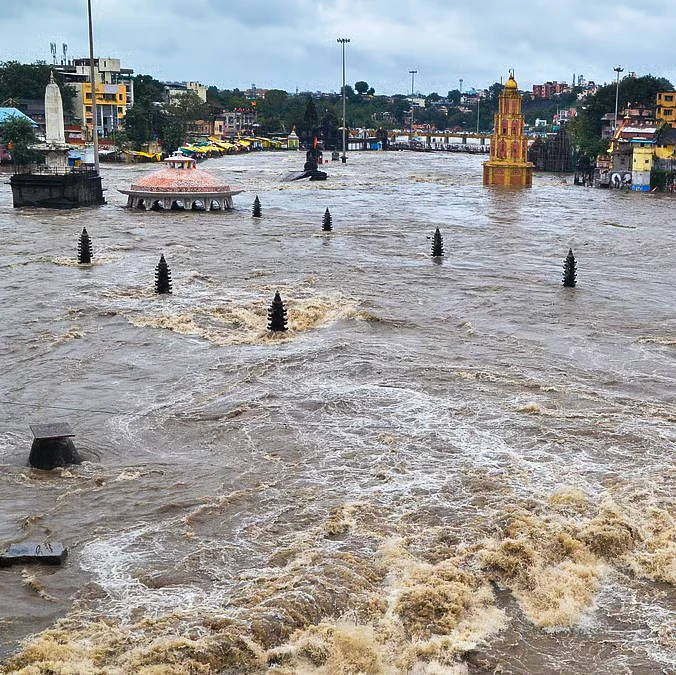
At the heart of the Kumbh lies the sacred Godavari River, where millions gather to participate in holy bathing rituals. Special attention is therefore given to the development and beautification of the riverfront.
Ghats are renovated, safety measures are enhanced, lighting systems are upgraded, and public amenities are improved to create a secure and dignified environment for pilgrims. Efforts are also focused on maintaining cleanliness and protecting the sanctity of the river, ensuring that the spiritual experience is accompanied by responsible environmental management.
Modern Infrastructure with Respect for Heritage
Nashik is a city where ancient temples stand alongside modern development. Preparing for Kumbh 2027 requires maintaining this delicate balance. Infrastructure projects are designed not only to improve connectivity but also to preserve the city's historical and cultural character.
Heritage precincts, temple surroundings, and pilgrimage routes remain central to the planning process, allowing visitors to experience the city's spiritual identity without losing its historic charm. The goal is not to modernise Nashik at the cost of its traditions, but to ensure that tradition and progress move forward together.
A Safer and More Comfortable Pilgrimage
For millions of visitors, the Kumbh is a once-in-a-lifetime spiritual journey. Ensuring their well-being is therefore one of the highest priorities. Comprehensive arrangements are made for medical services, emergency response, crowd management, public information systems, sanitation, drinking water, and temporary accommodation.
Digital technologies and intelligent monitoring systems are increasingly being integrated to improve communication and enhance visitor safety throughout the festival. These preparations allow pilgrims to focus on their spiritual journey while experiencing the festival with greater comfort and confidence.
Towards a Cleaner and Greener Kumbh
Modern Kumbh planning places significant emphasis on environmental responsibility. Waste management initiatives, sanitation facilities, river conservation efforts, public awareness campaigns, and eco-friendly practices are becoming an integral part of the festival's planning process.
Volunteers, local communities, and various organisations work together to promote cleanliness while encouraging visitors to participate in protecting the sacred environment. A cleaner Kumbh not only enhances the visitor experience but also safeguards Nashik's natural and spiritual heritage for future generations.
More Than Preparations—A Vision for the Future
The infrastructure created for the Kumbh serves a purpose that extends well beyond the festival itself. Improved roads, better public spaces, upgraded transport systems, enhanced civic facilities, and revitalised heritage areas continue to benefit residents long after the pilgrims return home.
In this way, the Kumbh becomes a catalyst for sustainable urban development while strengthening Nashik's position as one of India's most important pilgrimage and tourism destinations. The legacy of the Kumbh is therefore measured not only in memories but also in lasting improvements that shape the city's future.
Looking Ahead to Simhastha Kumbh 2027
As the countdown to Nashik Kumbh 2027 continues, the city is steadily preparing to welcome the world with renewed energy and timeless devotion. Behind every improved road, restored ghat, upgraded public facility, and carefully planned service lies a shared commitment—to ensure that every pilgrim experiences the Kumbh with dignity, safety, and spiritual fulfilment.
When millions gather once again on the sacred banks of the Godavari, they will witness more than a well-organised event. They will experience a city that has come together to honour one of humanity's oldest living traditions, proving that thoughtful development and enduring faith can walk hand in hand toward the future.