

Nashik Kumbh 2027: Where Faith, Culture & Humanity Come Together
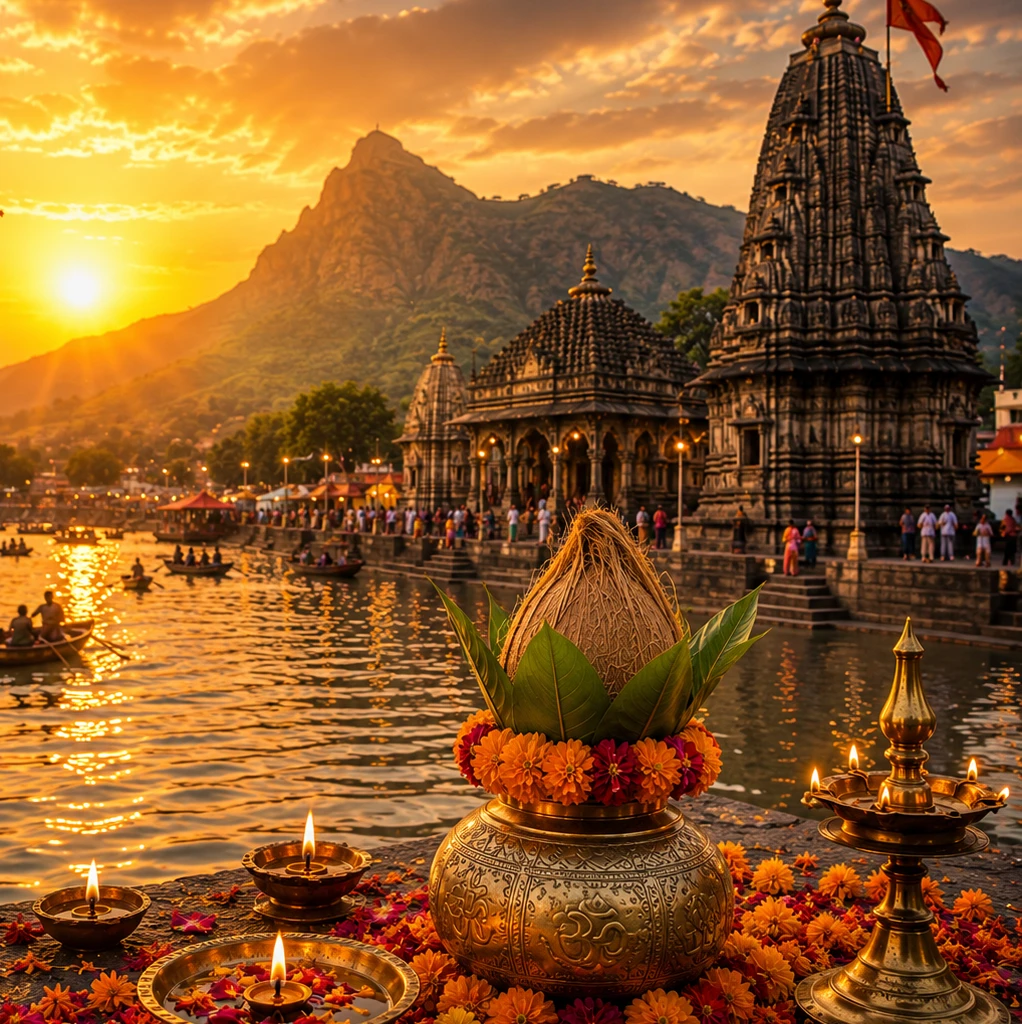
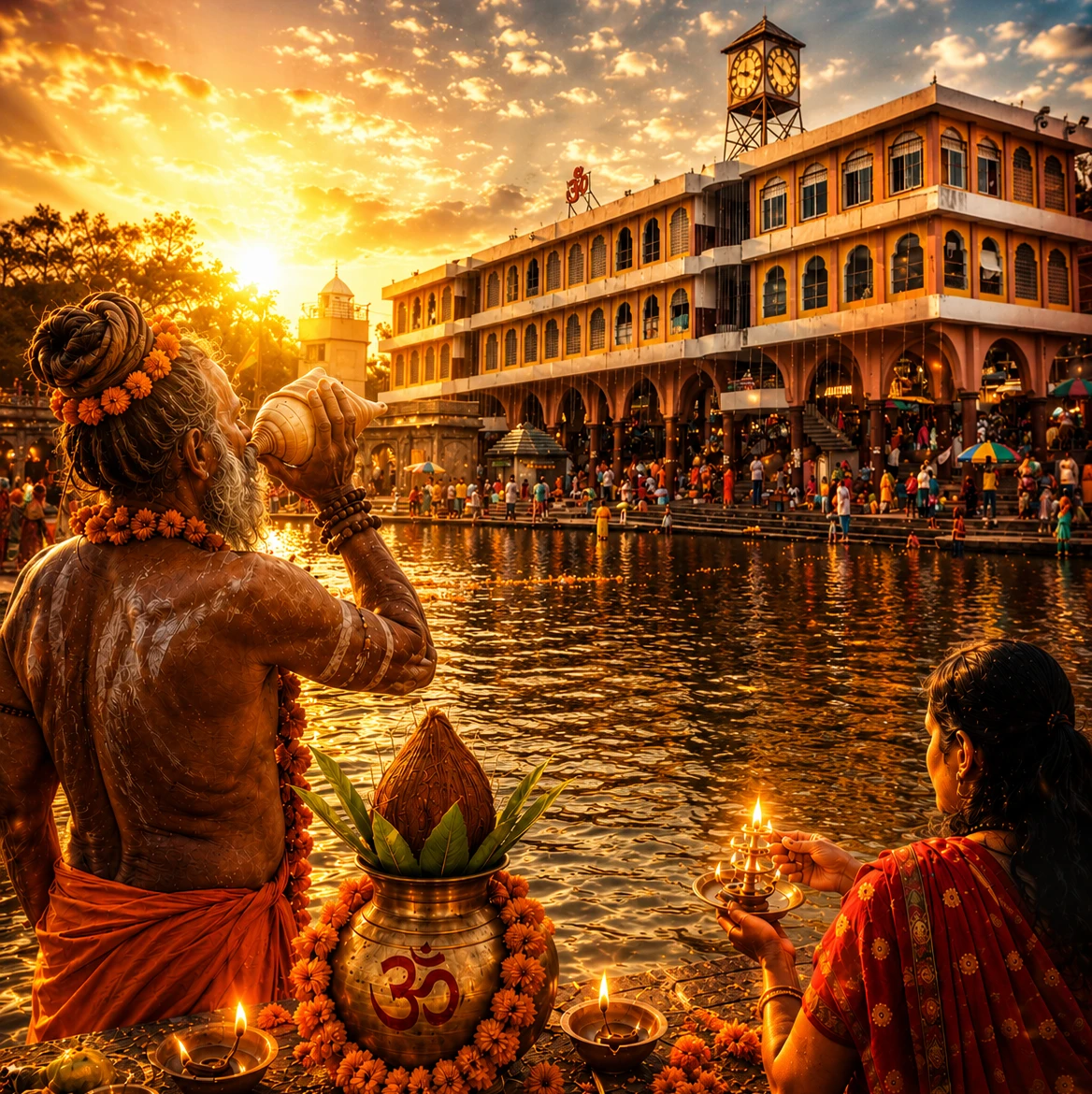
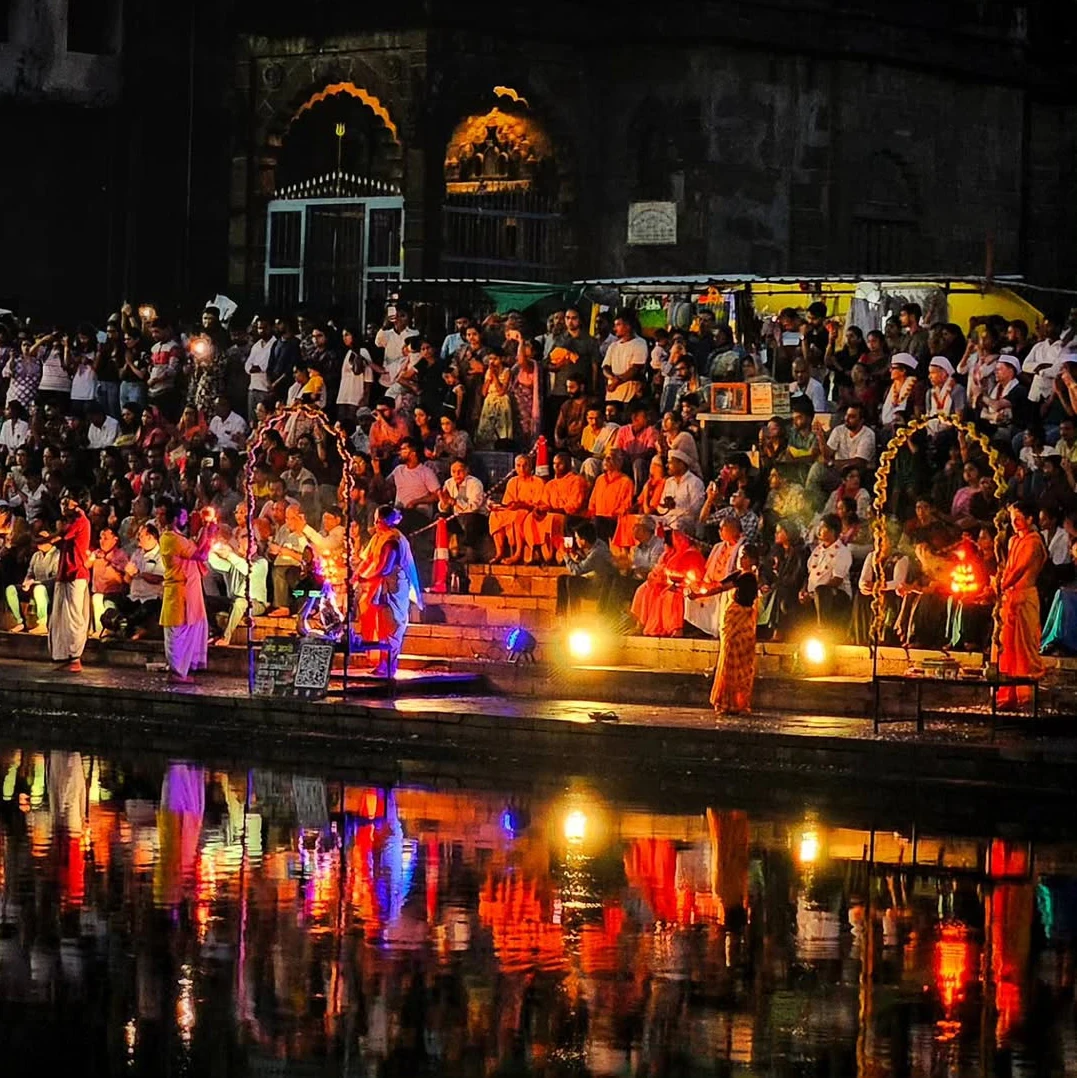
There are very few places in the world where millions of people gather without an invitation, without boundaries of language, nationality, or social status—drawn only by faith. Every twelve years, Nashik becomes one such place. As the sacred waters of the Godavari begin to shimmer under the early morning sun, the city transforms into a vibrant tapestry of devotion. Pilgrims walk barefoot towards the ghats, saints chant ancient Vedic hymns, temple bells resonate through the air, and countless prayers rise together in a moment that feels both deeply personal and universally shared.
This is Nashik Kumbh—not merely a religious festival, but a celebration of India's spiritual identity, cultural diversity, and collective humanity. As the world prepares for Simhastha Kumbh 2027, millions will once again journey to this sacred city, carrying different stories, different beliefs, and different aspirations, yet united by one timeless purpose—to seek blessings, peace, and spiritual fulfilment.
A Festival That Connects More Than Faith
For centuries, the Kumbh Mela has been recognised as one of the greatest spiritual gatherings on Earth. Yet its true beauty lies not only in its rituals but in its remarkable ability to bring people together.
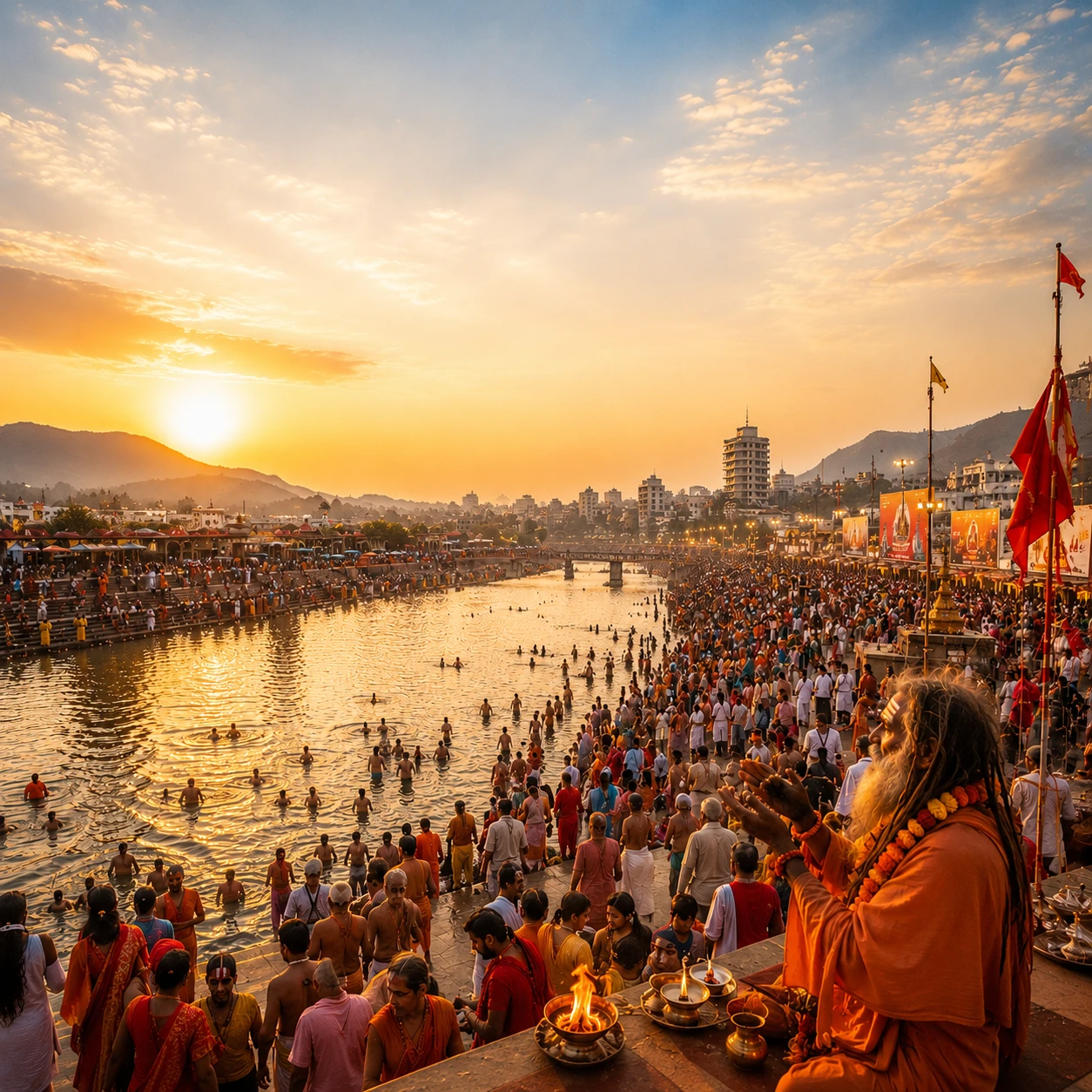
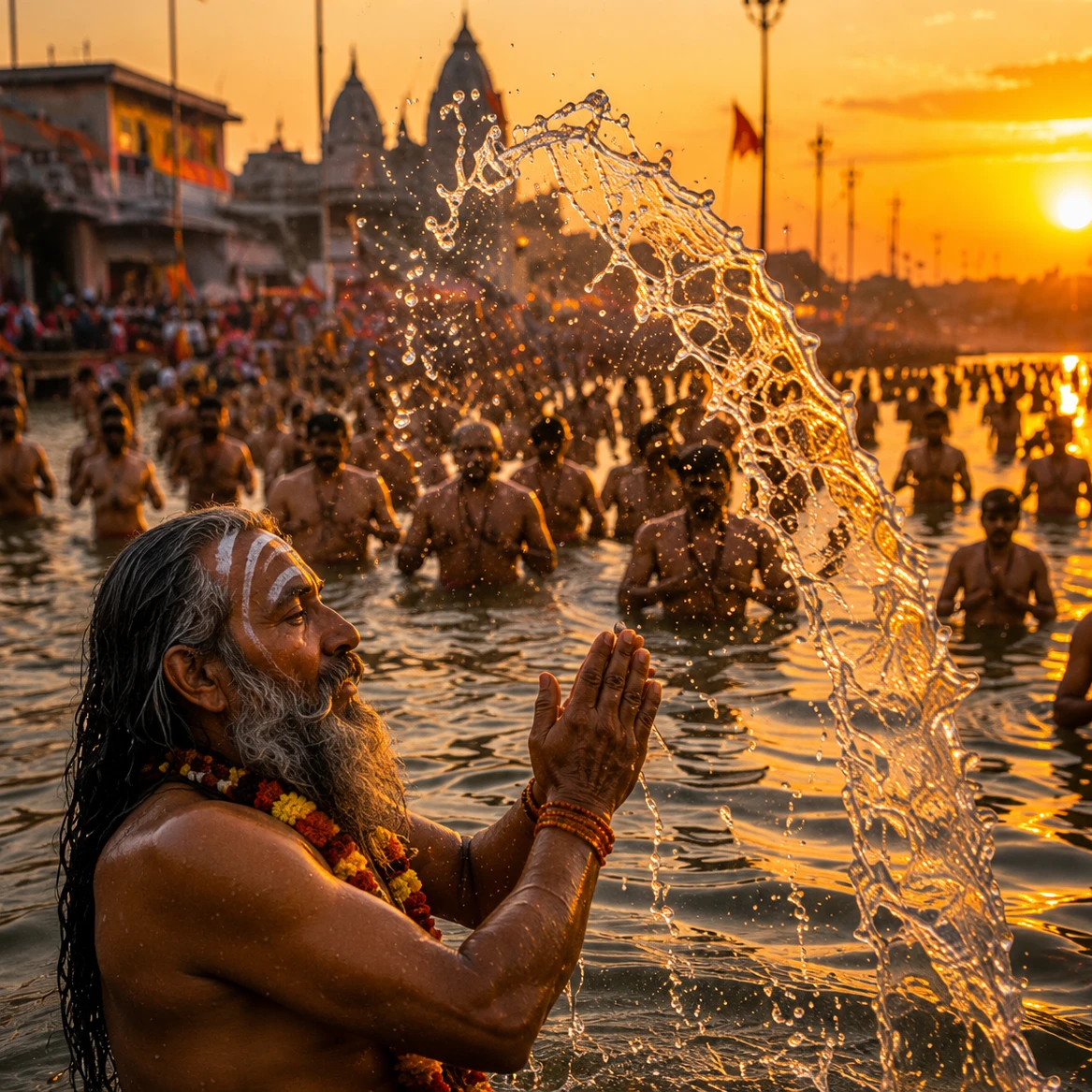
Here, a farmer from rural India may stand beside a scholar from Europe. A young photographer may witness the same sunrise as an elderly pilgrim who has waited decades to return. Languages may differ, customs may vary, yet everyone shares the same sacred river, the same prayers, and the same hope. In a world often divided by differences, the Kumbh quietly reminds us that faith has the extraordinary power to unite humanity.
Where Ancient Traditions Continue to Live
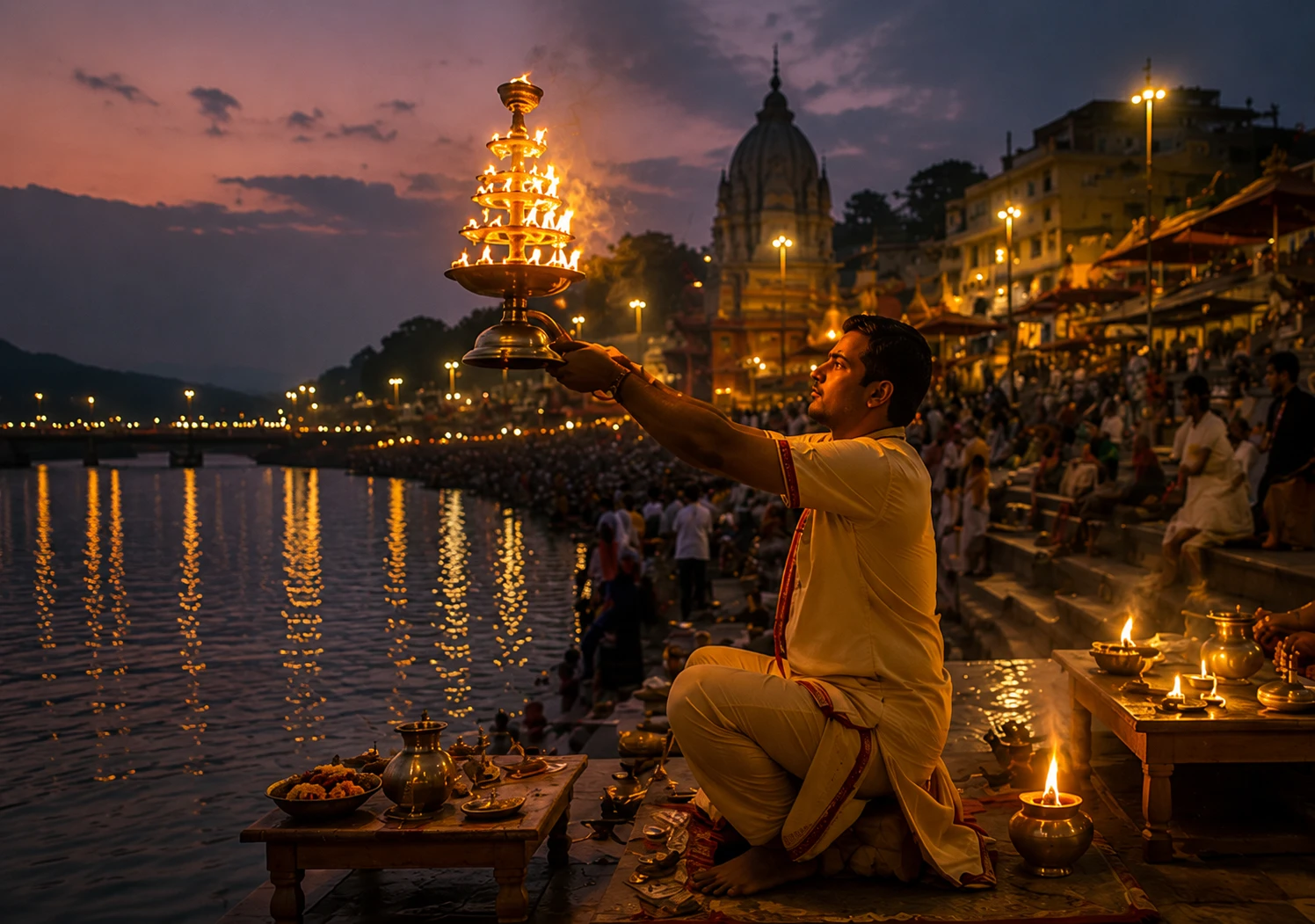
The streets of Nashik during the Kumbh are unlike those of any ordinary city. Centuries-old rituals unfold before your eyes. Saints from ancient Akharas lead majestic processions, devotional songs fill the air, sacred fires burn continuously, and spiritual discourses attract seekers from every corner of the world.
Unlike historical monuments preserved behind glass, the traditions of the Kumbh are alive. They are practiced, celebrated, and passed from one generation to another, ensuring that India's spiritual heritage continues to inspire the present as much as it honoured the past. Every ceremony becomes a bridge connecting ancient wisdom with modern life.
Culture Beyond Rituals
Although the Kumbh is deeply rooted in spirituality, it is equally a celebration of India's rich cultural heritage. Throughout the festival, visitors encounter classical music, devotional performances, folk traditions, traditional art, local handicrafts, ancient literature, and regional cuisine. Every street, temple, and marketplace becomes a stage where culture flourishes alongside devotion.
For artists, photographers, filmmakers, writers, and researchers, Nashik Kumbh offers an extraordinary opportunity to witness India's living traditions in their most authentic form. It is here that faith inspires creativity, and culture becomes a language understood by everyone.
Humanity in Its Purest Form
Perhaps the most moving aspect of the Kumbh is not found in its grand processions or sacred ceremonies, but in its countless acts of kindness. Volunteers offer food to strangers without expectation. Medical teams serve tirelessly. Pilgrims help one another navigate the crowds. Spiritual organisations provide shelter, guidance, and support to visitors from every walk of life.
These quiet moments of compassion often leave the deepest impression. The Kumbh teaches that spirituality is not measured only through prayer, but also through service, generosity, humility, and respect for others. In every shared meal, every helping hand, and every welcoming smile, the true spirit of humanity comes alive.
A Global Gathering Rooted in Indian Heritage
Over the years, the Kumbh Mela has drawn the attention of travellers, scholars, journalists, photographers, and spiritual seekers from around the world. Many arrive out of curiosity.
They leave with admiration.
They witness not only the scale of the gathering but also the discipline, harmony, and profound spiritual atmosphere that define the festival. The Kumbh has become a powerful symbol of India's cultural richness, demonstrating how ancient traditions can continue to thrive in the modern world while welcoming people from every culture and background.
Nashik Welcomes the World in 2027
As preparations for Simhastha Kumbh 2027 continue, Nashik is preparing to welcome millions of visitors with improved infrastructure, enhanced public facilities and carefully planned pilgrimage arrangements. Yet beyond these modern developments lies something far more valuable, The warmth of its people, The sacredness of its traditions, The timeless rhythm of its spiritual life.
Whether you arrive as a pilgrim seeking blessings, a traveller exploring India's heritage, or a photographer capturing unforgettable moments, Nashik offers an experience that extends far beyond the festival itself. It invites every visitor to become part of a story that has been unfolding for centuries.
More Than a Destination—A Shared Human Experience
The greatness of Nashik Kumbh cannot be measured solely by the number of pilgrims who attend or the scale of its celebrations. Its true significance lies in the emotions it awakens. It reminds us that despite our differences, humanity continues to seek the same things—peace, hope, belonging, and a connection with something greater than ourselves.
As millions gather along the sacred banks of the Godavari in 2027, they will not simply participate in a festival. They will become part of one of the oldest living traditions on Earth—a tradition where faith inspires culture, culture strengthens humanity, and humanity finds unity in devotion. That is the enduring spirit of Nashik Kumbh. That is the legacy waiting to be experienced.