

Why Is Nashik Kumbh Different from the Other Kumbh Melas?
The Kumbh Mela is celebrated at four sacred cities—Prayagraj, Haridwar, Ujjain, and Nashik. Each destination shares the same spiritual roots, inspired by the ancient legend of Samudra Manthan, where drops of the divine nectar of immortality are believed to have fallen upon these four holy places. Yet, despite this common origin, every Kumbh has its own identity.
Among them, Nashik Kumbh stands apart for its unique blend of mythology, sacred geography, Jyotirlinga tradition, and deep connection with the Ramayana. It is not simply another venue for the Kumbh—it is a destination where multiple layers of India's spiritual heritage come together in one extraordinary pilgrimage. So, what makes Nashik Kumbh truly different?
A Kumbh Shared Between Two Sacred Places
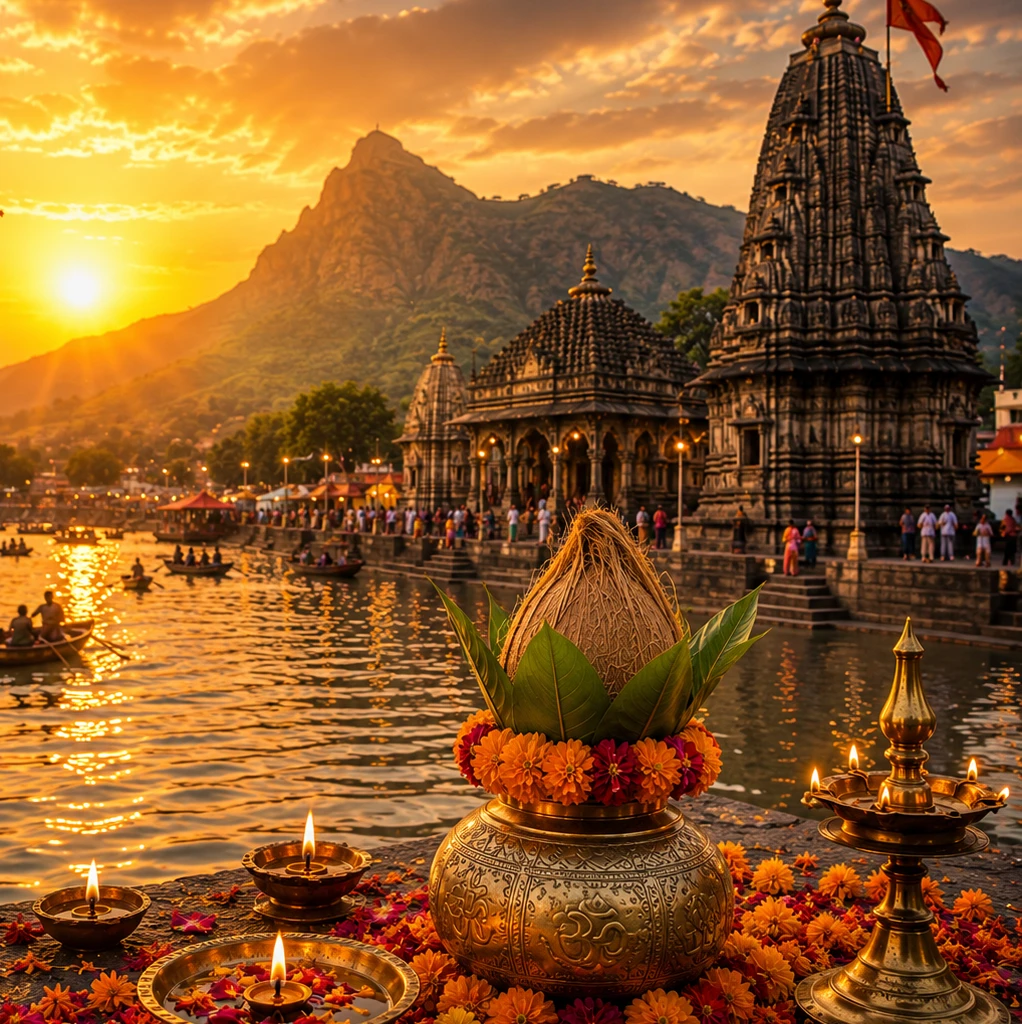
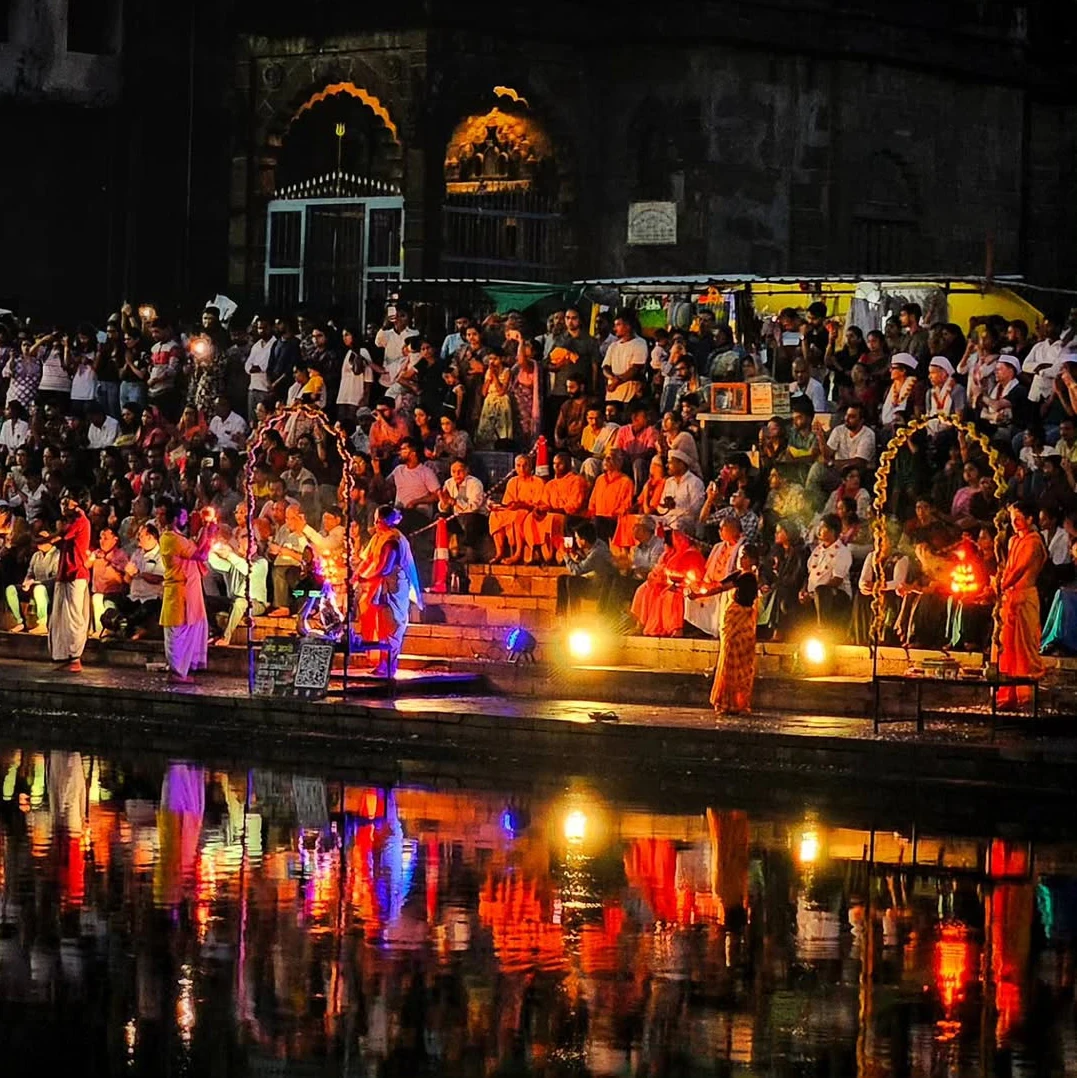
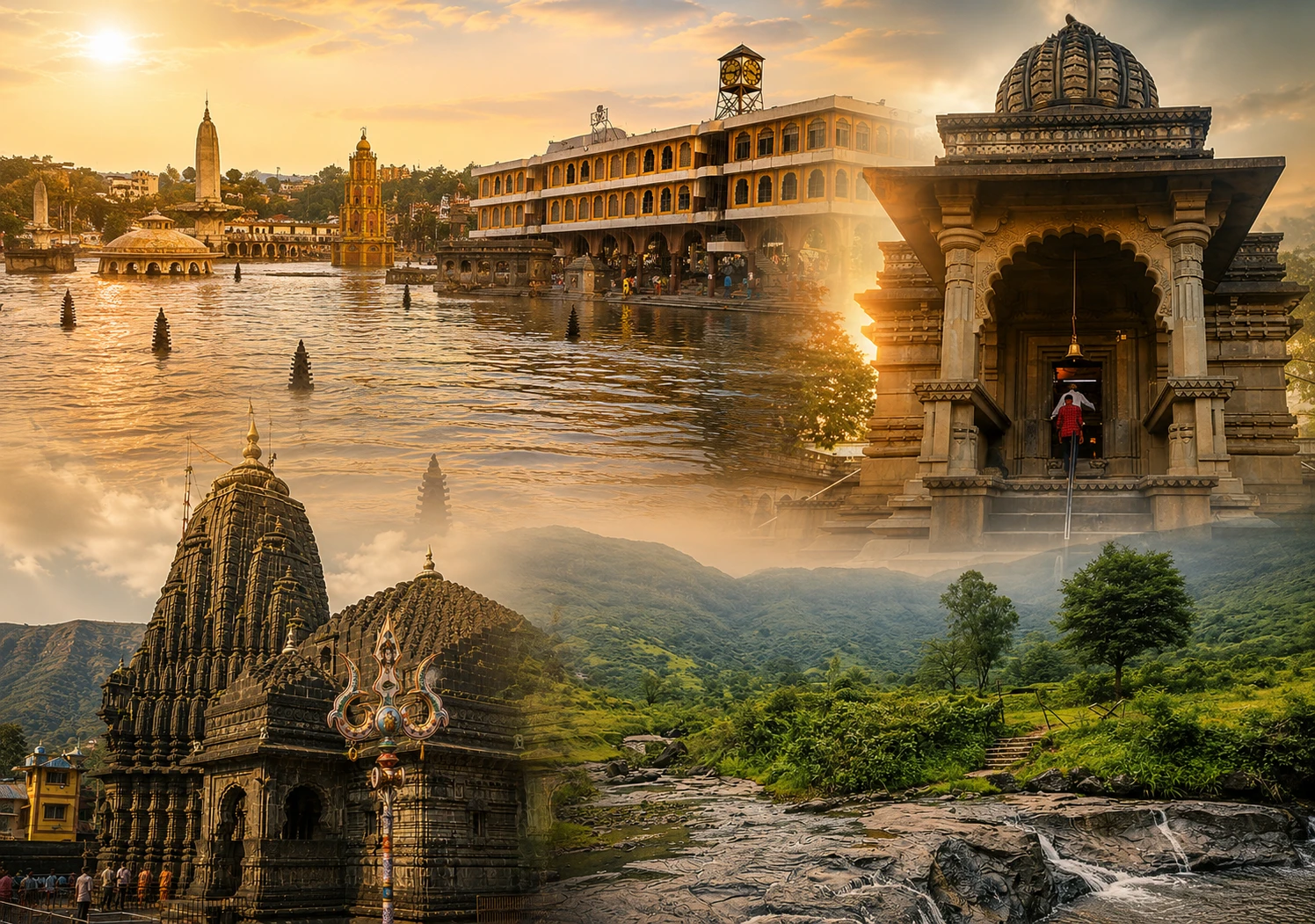
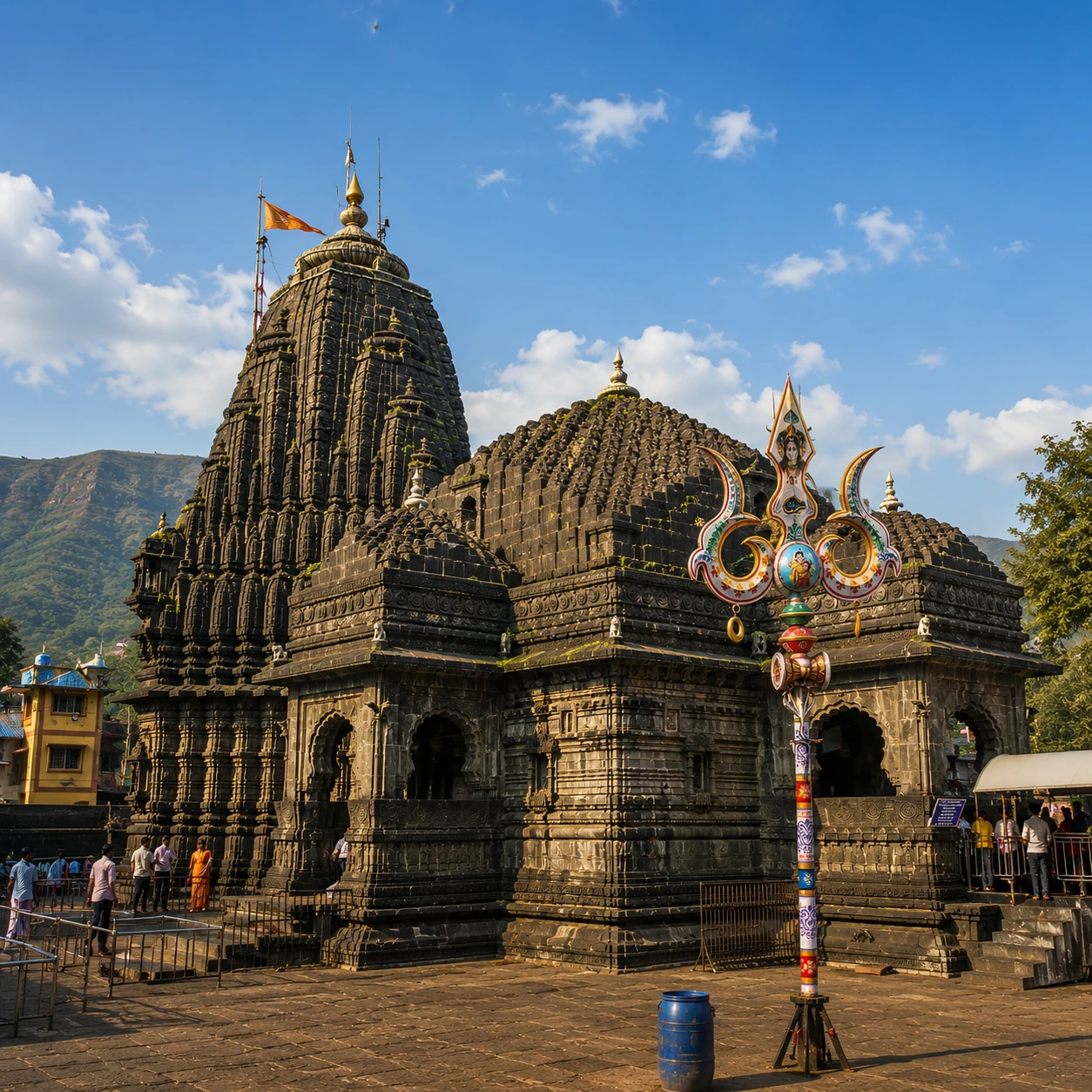
One of the most distinctive features of the Nashik Kumbh is that it is celebrated across Nashik City and Trimbakeshwar. While the holy ghats of Ramkund on the Godavari River become the centre of spiritual activities in Nashik, Trimbakeshwar, located at the foothills of the Brahmagiri Mountains, holds equal importance as one of the twelve sacred Jyotirlingas of Lord Shiva. This unique dual pilgrimage allows devotees to experience both the sacred river and one of India's holiest Shiva temples during the same spiritual journey—something that no other Kumbh destination offers.
The Birthplace of the Godavari River
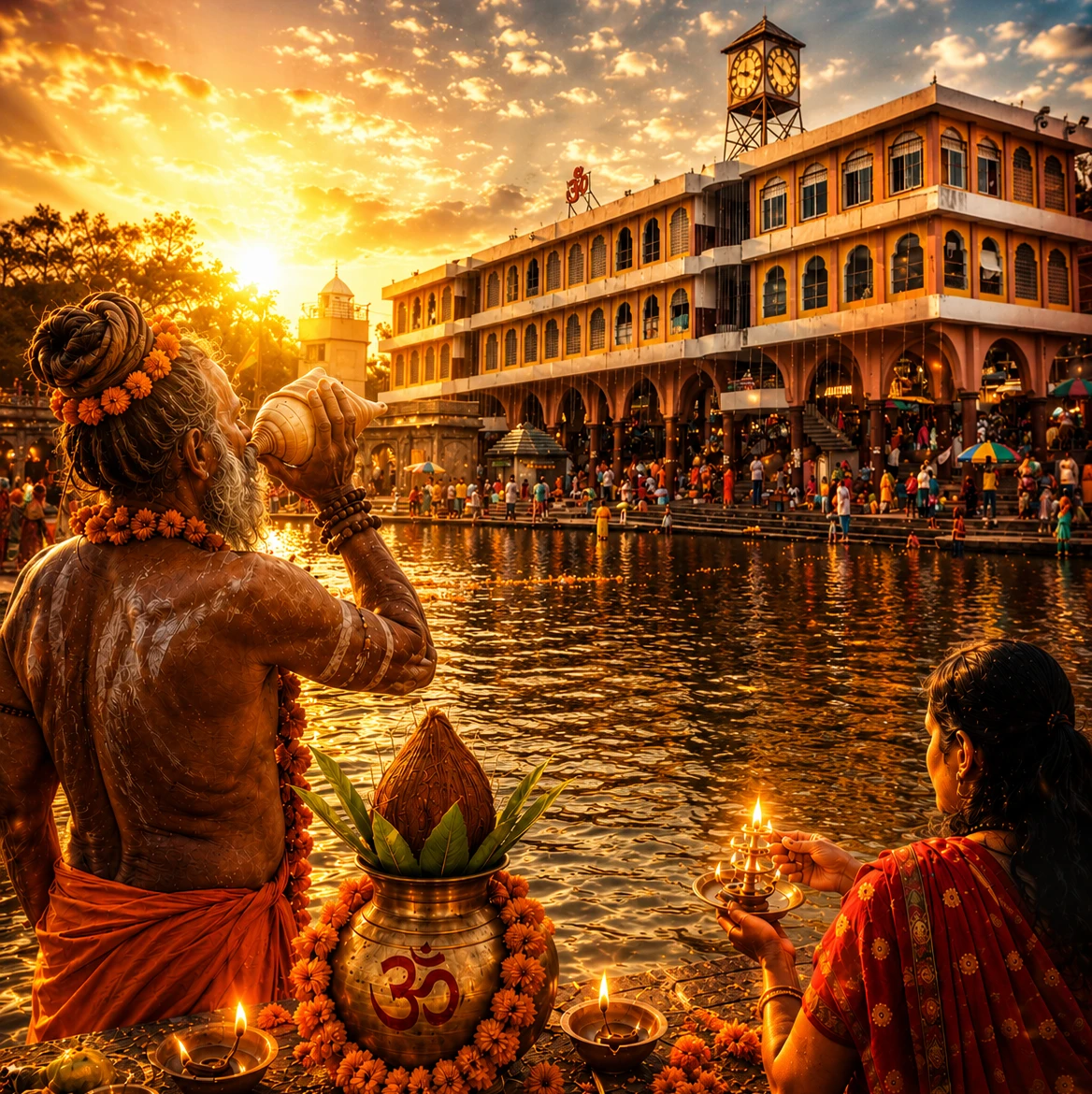
Every Kumbh is associated with a sacred river. Prayagraj is blessed by the confluence of the Ganga, Yamuna, and the mystical Saraswati. Haridwar is embraced by the Ganga, Ujjain celebrates the Shipra River. Nashik, however, is blessed by the Godavari, often called the Dakshin Ganga or the Ganges of the South.
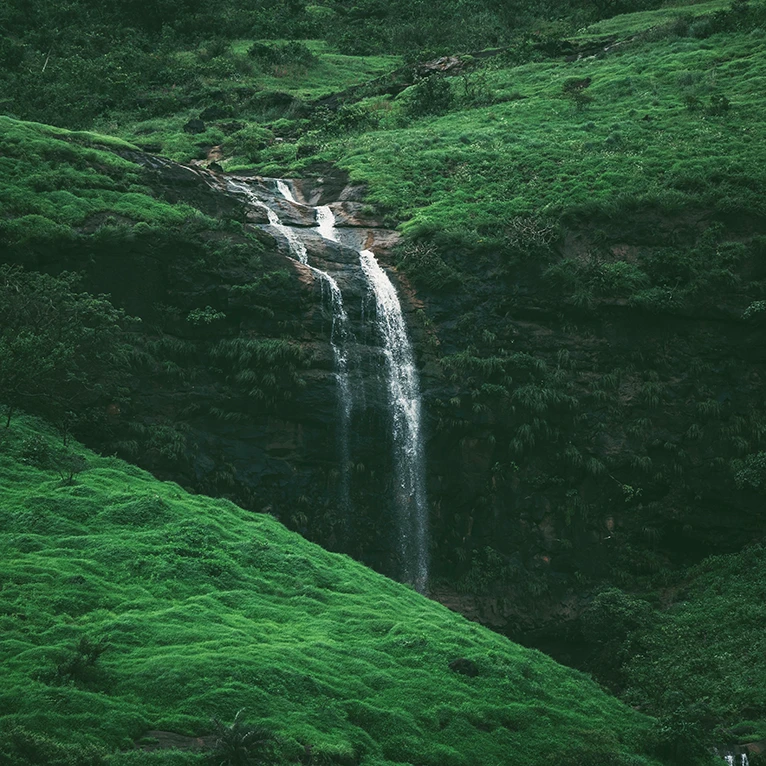
What makes Nashik even more special is that the Godavari originates near Trimbakeshwar, making the pilgrimage deeply connected with both the river's source and its sacred flow through the city. For devotees, this creates a spiritual connection unlike any other Kumbh destination.
Deeply Connected with the Ramayana
Nashik is not only a Kumbh city—it is one of the most important places associated with the Ramayana. According to Hindu tradition, Lord Rama, Goddess Sita, and Lord Lakshmana spent a significant part of their exile in Panchavati, located in present-day Nashik. Sacred places such as Ramkund, Sita Gufa, Kapaleshwar Temple, Tapovan, and several other sites continue to preserve these timeless stories.
As a result, every pilgrimage to the Nashik Kumbh naturally becomes a journey through one of India's greatest places in the world combine Kumbh traditions with Ramayana heritage so seamlessly.
The Spiritual Presence of Trimbakeshwar Jyotirlinga
For many pilgrims, visiting Trimbakeshwar Jyotirlinga is as important as participating in the Kumbh itself. Unlike many temples, Trimbakeshwar is deeply associated with both Lord Shiva and the origin of the Godavari River, making it one of the most revered pilgrimage destinations in India.
The opportunity to seek blessings at a Jyotirlinga while participating in the Kumbh makes Nashik a uniquely complete spiritual experience. It is one of the few pilgrimages where devotees can experience two of India's greatest sacred traditions in a single journey.
A Perfect Blend of Spirituality and Heritage
Nashik offers much more than sacred rituals. The city is home to ancient temples, historic ghats, centuries-old monasteries, caves, forts, vineyards, museums, and cultural landmarks that reflect over two thousand years of history. Visitors can begin their day with a holy dip in the Godavari, offer prayers at Trimbakeshwar, explore Panchavati, admire ancient architecture, and experience the warmth of Nashik's cultural traditions—all within the same pilgrimage. This remarkable diversity makes the city equally attractive to devotees, historians, photographers, researchers, and travellers.
A More Immersive Pilgrimage Experience
Every Kumbh has its own atmosphere, but Nashik is often appreciated for offering a pilgrimage that extends beyond the festival itself. Visitors are encouraged to spend time exploring sacred temples, heritage sites, spiritual discourses, local traditions, and nearby destinations that enrich the overall experience.
Rather than attending a single event, pilgrims become part of a much larger spiritual journey that unfolds across the city and its surroundings. Every day reveals another story waiting to be discovered.
The Spirit of Nashik Kumbh 2027
As Simhastha Kumbh 2027 approaches, Nashik is preparing to welcome millions of pilgrims from across India and around the world. While every Kumbh carries the same message of faith and spiritual awakening, Nashik offers something uniquely its own—a pilgrimage where the sacred Godavari, the divine presence of Trimbakeshwar, the timeless stories of the Ramayana, and centuries-old Kumbh traditions come together in perfect harmony.
That is why the Nashik Kumbh is not simply one of the four Kumbh Melas. It is a destination where faith flows with the river, history lives in every temple, mythology walks through every street, and spirituality becomes an unforgettable experience.