

Why Is the Kumbh Mela Celebrated Every 12 Years?
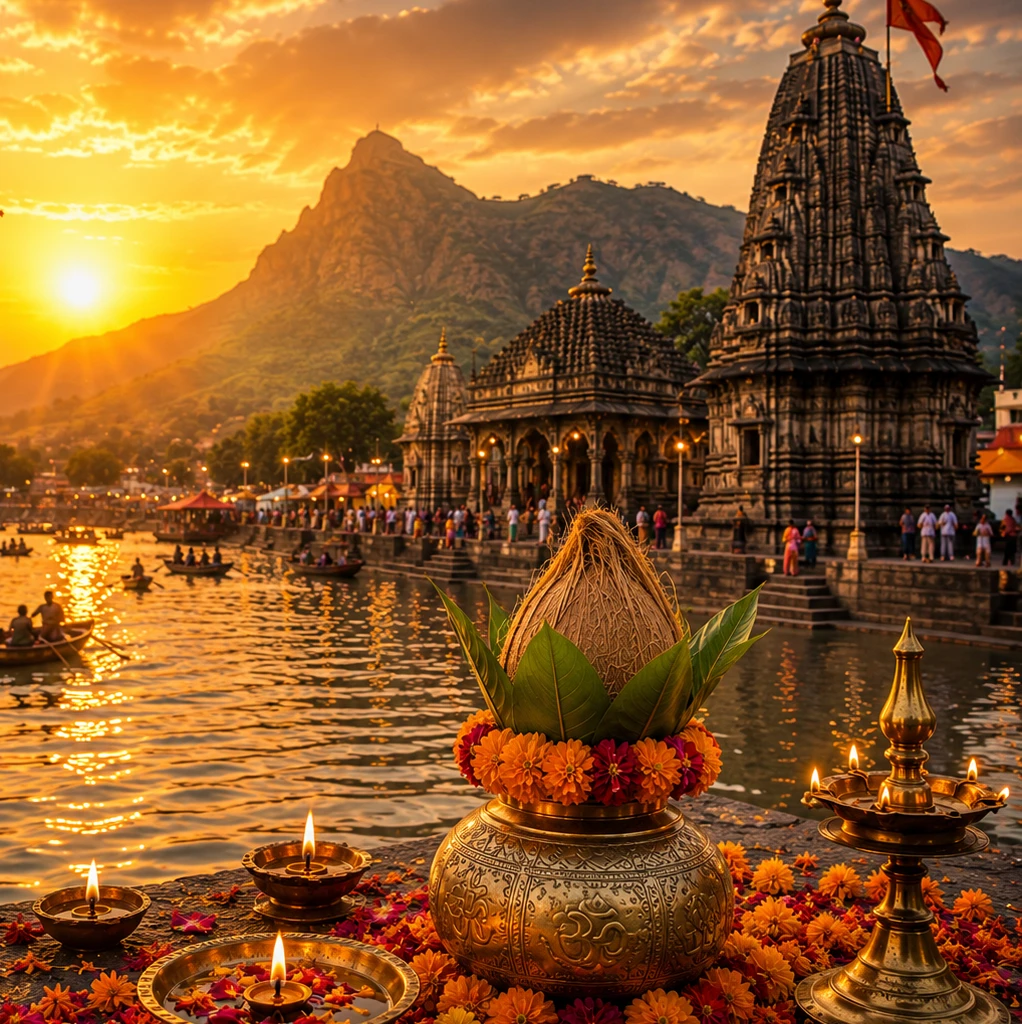
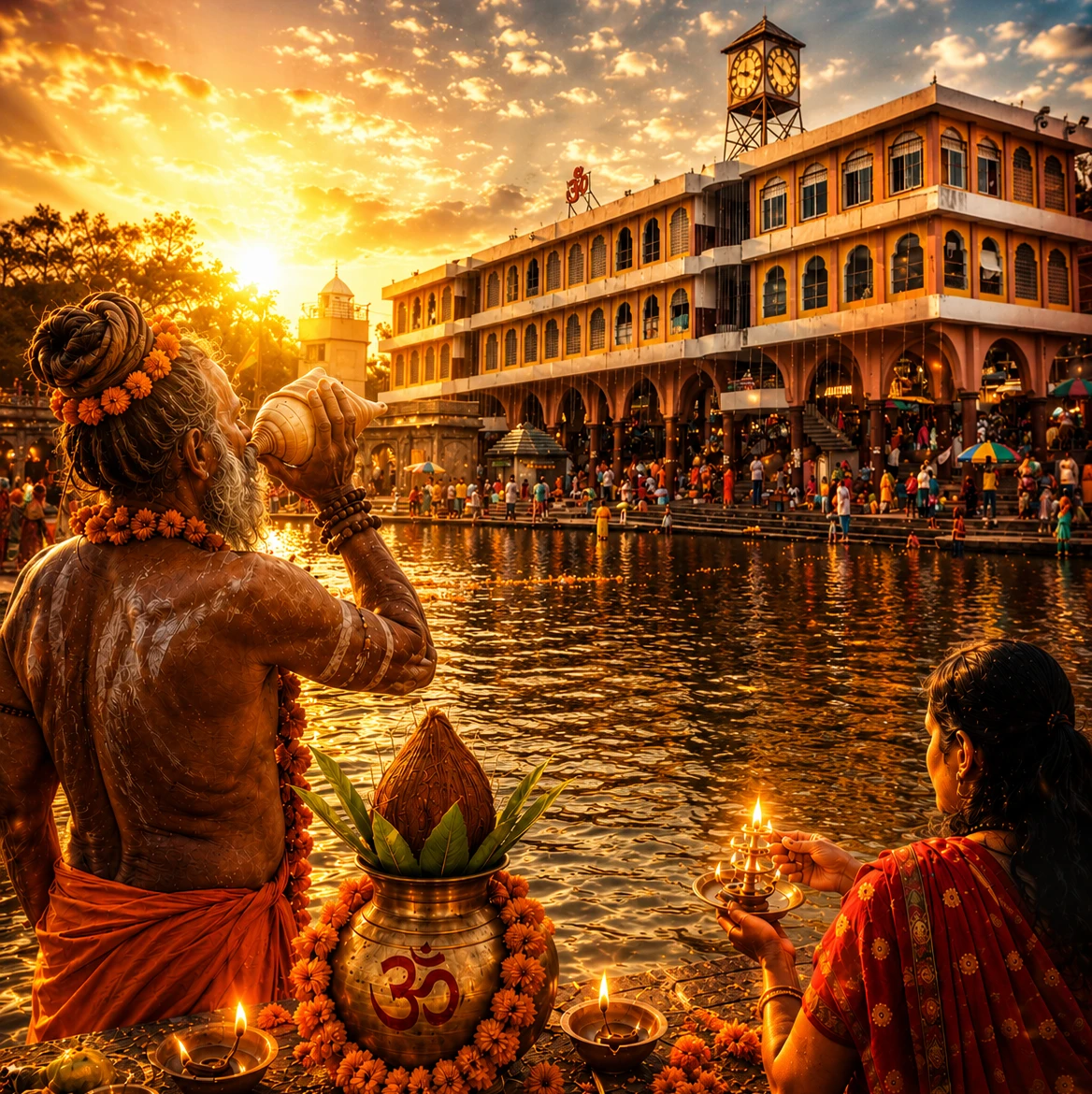
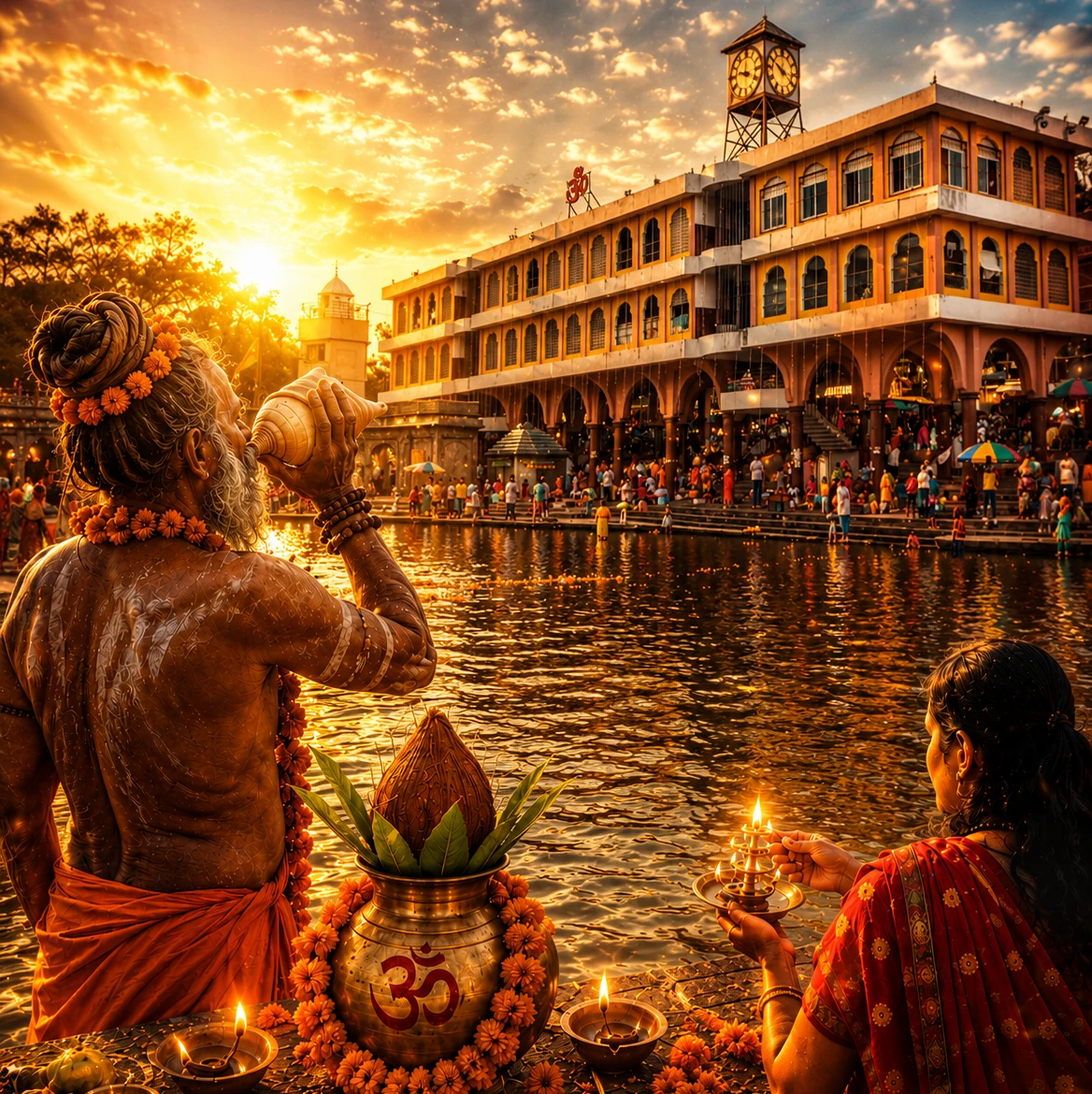
Every twelve years, millions of devotees leave behind their daily lives and embark on a journey guided not by convenience, but by faith. They travel across mountains, villages, cities, and states to gather on the banks of sacred rivers for an event that has remained unchanged for centuries—the Kumbh Mela.
For many first-time visitors, one question naturally arises:
Why is the Kumbh Mela celebrated only once every 12 years?
The answer is far more fascinating than a simple date on the calendar. It is a remarkable blend of ancient astronomy, Hindu philosophy, mythology, and timeless tradition, preserved through generations and followed with extraordinary precision even today.

Time Measured by the Heavens
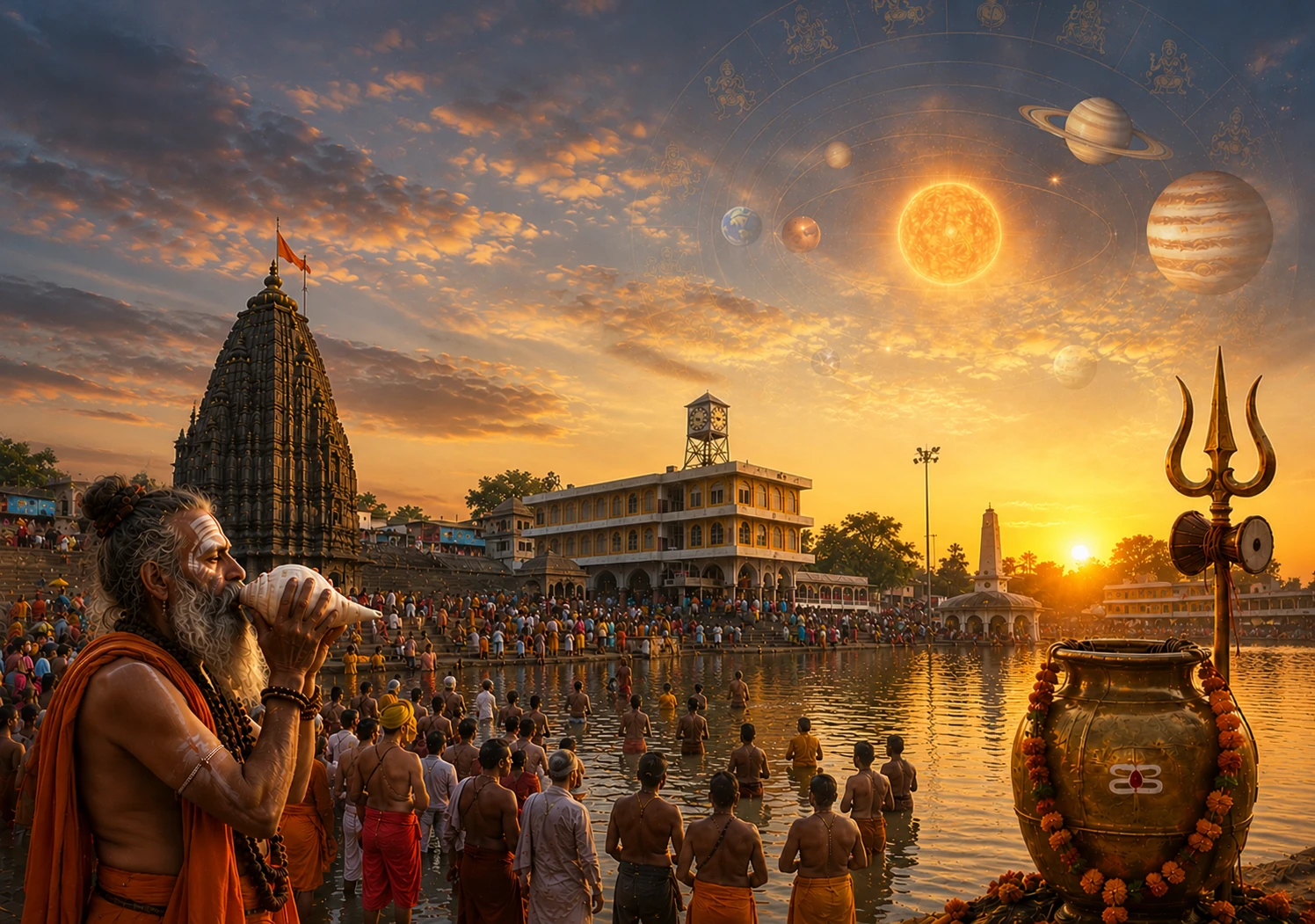
Unlike most festivals, the Kumbh Mela is not celebrated on a fixed date every year. Instead, it follows a sacred celestial calendar based on the movements of planets and stars. For thousands of years, Indian scholars observed the skies with remarkable accuracy, believing that the universe and human life are deeply interconnected.
They recognised that certain planetary alignments created moments of exceptional spiritual significance, making them ideal for worship, meditation, and pilgrimage. The Kumbh Mela is one of the finest examples of this ancient understanding of astronomy and spirituality working together.
The Importance of Jupiter
At the heart of the twelve-year cycle lies Jupiter, known in Hindu tradition as Brihaspati, the guru of the gods and the planet associated with wisdom, knowledge, and spirituality. Jupiter takes approximately twelve years to complete one full journey around the zodiac. As it moves through each zodiac sign, different combinations are formed with the positions of the Sun and the Moon.
These rare celestial alignments determine when and where the Kumbh Mela is celebrated. Rather than choosing an arbitrary year, the festival begins only when these sacred astronomical conditions are fulfilled.
Why Nashik Celebrates the Simhastha Kumbh
Each of the four Kumbh cities follows a unique astronomical combination. For Nashik, the festival is celebrated when Jupiter enters Leo (Simha Rashi) while specific alignments with the Sun and the Moon create an especially auspicious period.
Because of this association with the zodiac sign Leo, the Nashik Kumbh is traditionally known as Simhastha Kumbh. This celestial event occurs roughly once every twelve years, making each Simhastha a rare and eagerly awaited spiritual occasion.
Beyond Astronomy—A Tradition Rooted in Faith
Although astronomy determines the timing of the Kumbh, the festival itself is rooted in a much older spiritual story. According to Hindu mythology, the Kumbh Mela commemorates the legendary Samudra Manthan, or the Churning of the Ocean of Milk. During the celestial struggle for the Amrit, the nectar of immortality, four drops are believed to have fallen upon Prayagraj, Haridwar, Ujjain, and Nashik.
These four sacred places became eternal centres of pilgrimage, while the planetary alignments were believed to recreate the same divine energy that existed during that mythical event. In this way, mythology gives the festival its meaning, while astronomy determines its moment.
A Sacred Moment That Comes Only Once
Perhaps the greatest beauty of the Kumbh lies in its rarity. Unlike annual festivals, the twelve-year cycle creates a deep sense of anticipation. Entire generations wait patiently for the next opportunity to participate. Families pass stories from parents to children, planning pilgrimages that may happen only a few times in a lifetime.
For many devotees, attending the Kumbh is not simply another religious journey—it is the fulfilment of a lifelong aspiration. Its infrequency makes every gathering feel even more meaningful.
When Science Meets Spirituality
One of the most remarkable aspects of the Kumbh Mela is the harmony between scientific observation and spiritual belief. Ancient Indian astronomers carefully calculated planetary movements long before modern telescopes existed. Their observations became an integral part of religious traditions, ensuring that the festival remained aligned with celestial cycles across centuries.
Today, astronomers may explain the planetary movements through science, while devotees view them through the lens of faith. The two perspectives differ in interpretation, yet together they reveal the extraordinary depth of India's ancient knowledge systems.
More Than a Date on the Calendar
To understand the twelve-year cycle is to understand that the Kumbh Mela is not merely scheduled—it is awaited. It represents patience, devotion, continuity, and the belief that some moments in life cannot be hurried. They arrive only when time itself becomes sacred.
Every twelve years, the rivers remain the same, the temples continue to stand, and the traditions endure. Yet each Kumbh is experienced by a new generation, adding another chapter to a story that has never truly ended.
Looking Ahead to Simhastha Kumbh 2027
As Nashik prepares for Simhastha Kumbh 2027, the city once again awaits the rare celestial alignment that has guided pilgrims for centuries. Millions will gather along the sacred banks of the Godavari, not simply because twelve years have passed, but because the heavens, according to ancient tradition, have once again marked the moment as sacred.
That is why the Kumbh Mela is celebrated every twelve years. Not because of tradition alone. But because, for countless devotees, faith follows the rhythm of the universe itself.