

Why Millions of People Are Drawn to Nashik Kumbh
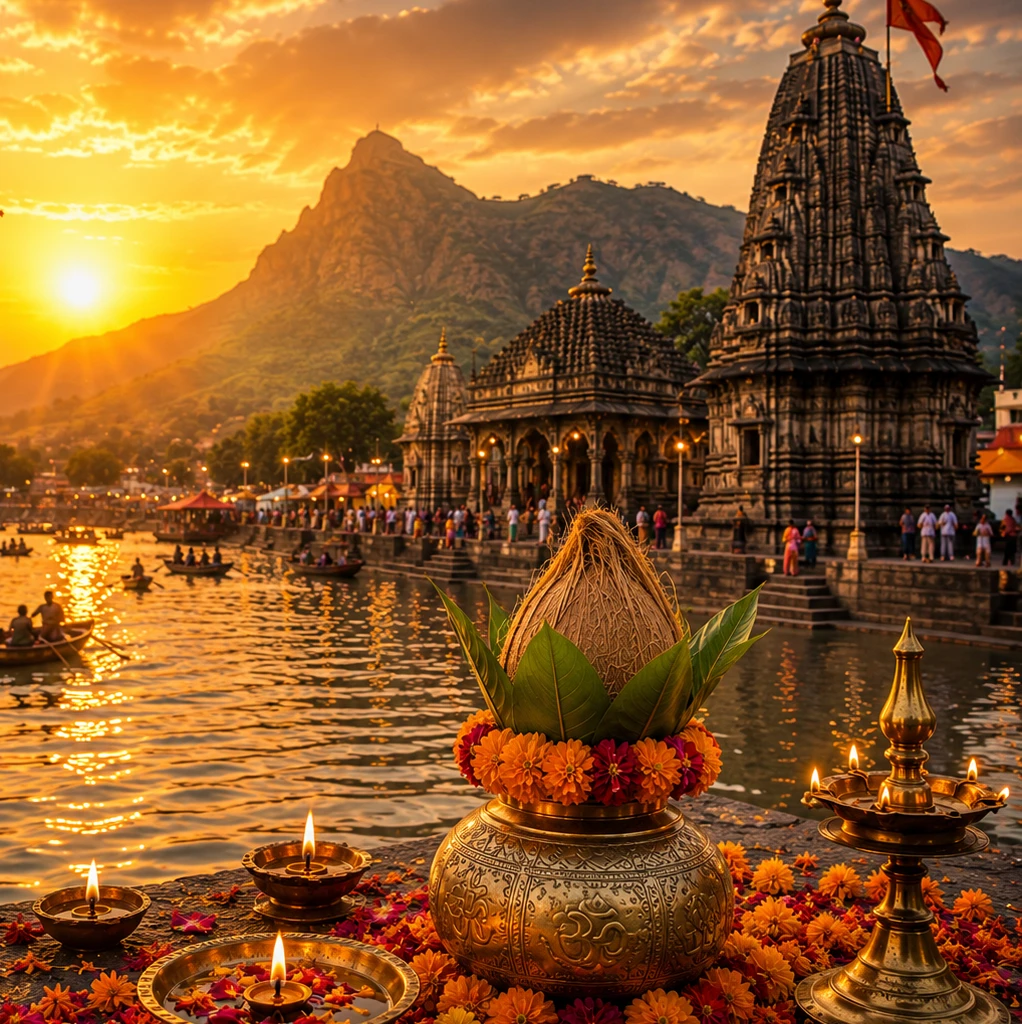
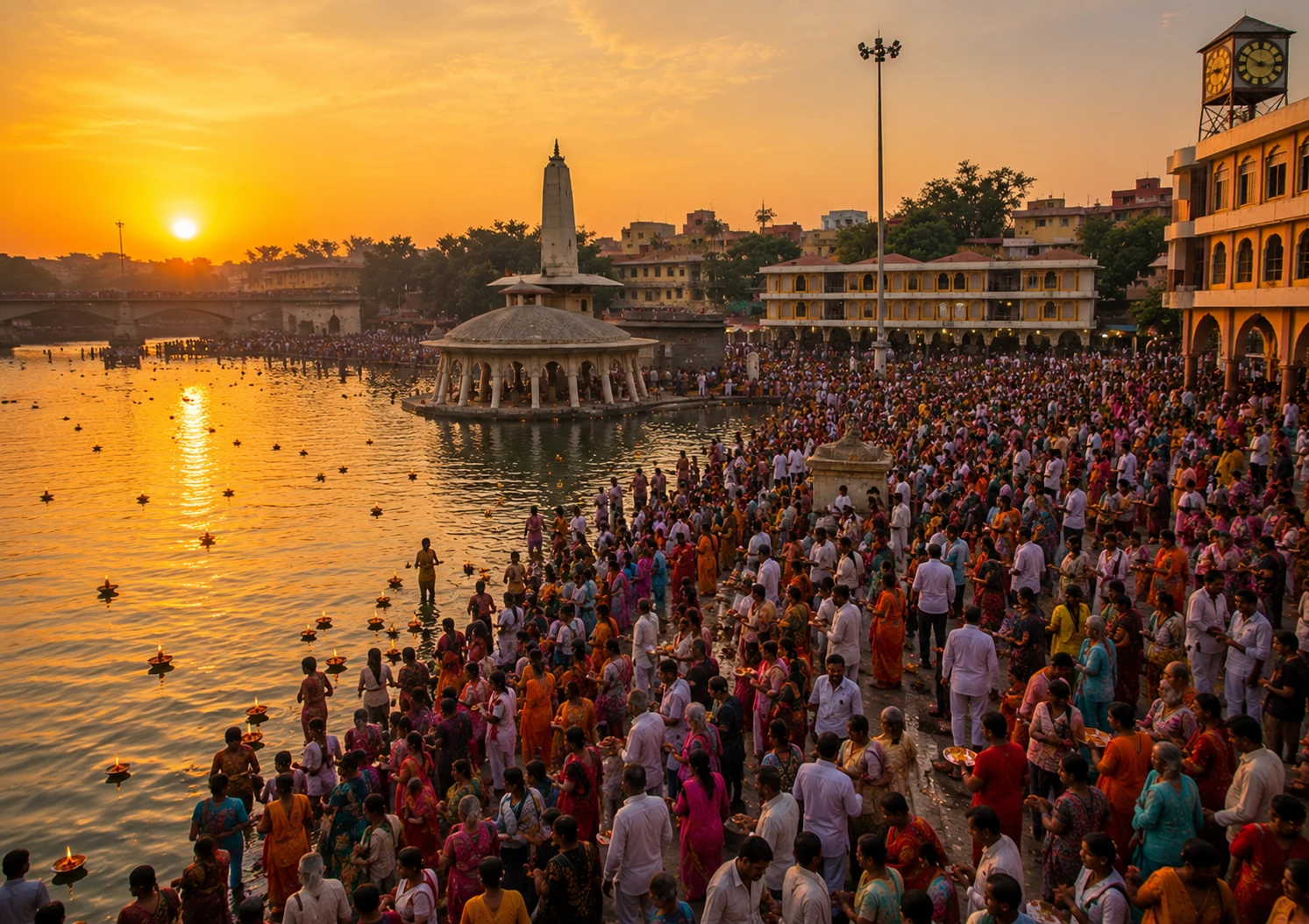
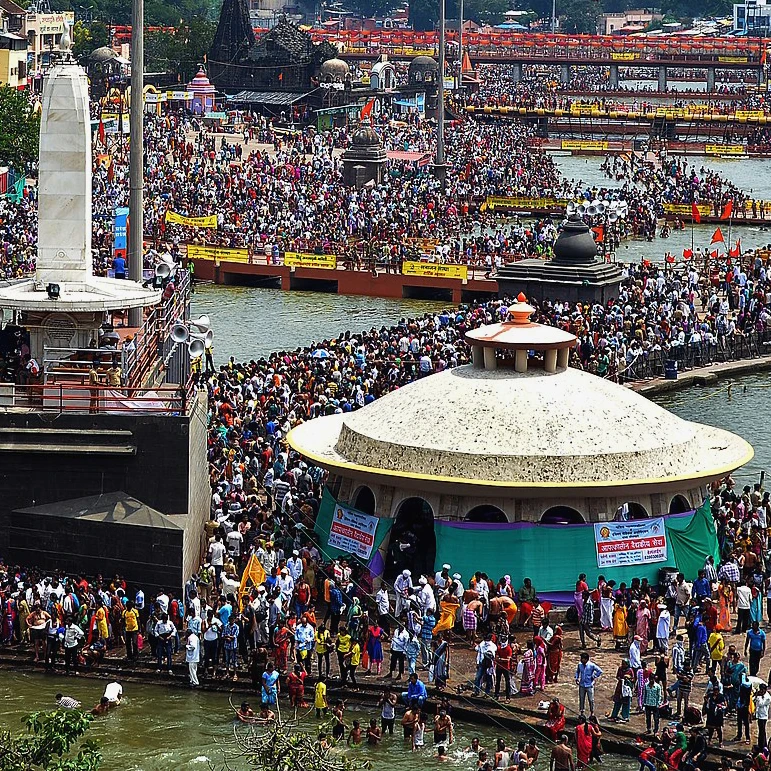
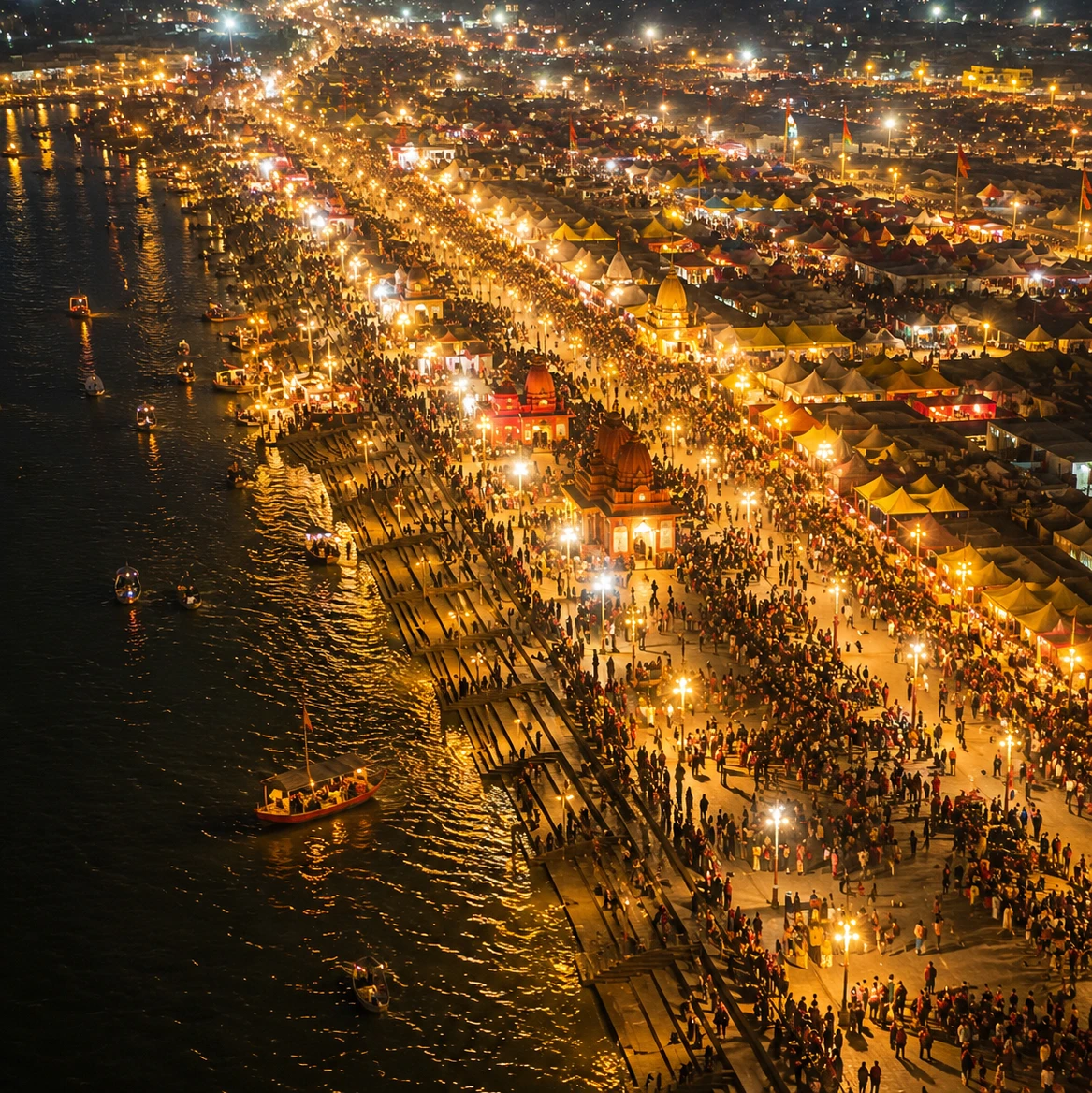
Every twelve years, something extraordinary happens in Nashik. The city awakens before sunrise as millions of footsteps move towards the sacred banks of the Godavari. Saints emerge from ancient Akharas, temple bells echo through the morning air, and pilgrims from every corner of India—and increasingly from around the world—gather with folded hands, united by faith.
For someone witnessing this spectacle for the first time, one question naturally comes to mind:
What draws millions of people to Nashik Kumbh?
Is it the sacred river? The ancient traditions? The spiritual atmosphere? Or is it something far deeper that cannot be explained through words alone? The answer lies in a remarkable combination of faith, history, culture, and an experience that touches every visitor in a different way.
A Tradition That Has Survived the Test of Time
Very few events in the world have continued uninterrupted for centuries while preserving their original spirit. The Kumbh Mela is one of them. Rooted in the ancient legend of Samudra Manthan, this sacred gathering has been celebrated for generations, connecting the present with a tradition that began thousands of years ago.
For many devotees, attending the Kumbh is not simply participating in a festival—it is becoming part of a timeless spiritual legacy that their ancestors also experienced.
Faith That Brings Millions Together
People arrive at Nashik Kumbh with different stories. Some come to offer prayers. Some fulfil vows made years earlier. Some seek spiritual peace after difficult times. Others simply wish to witness one of humanity's greatest living traditions.
Despite their different journeys, everyone shares the same river, the same prayers, and the same hope. In a world often divided by differences, the Kumbh reminds us how faith has the power to unite millions without barriers of language, caste, nationality, or social status.
The Sacred Godavari and Trimbakeshwar
Nashik's spiritual importance extends far beyond the Kumbh itself. Flowing through the city is the revered Godavari River, often called the Dakshin Ganga or the Ganges of the South. Nearby stands Trimbakeshwar Jyotirlinga, one of the twelve sacred Jyotirlingas dedicated to Lord Shiva and the traditional source of the Godavari.
For countless pilgrims, visiting these sacred places is as meaningful as participating in the Kumbh itself. Together, they create a pilgrimage experience found nowhere else in India.
A Living Experience of Indian Spirituality
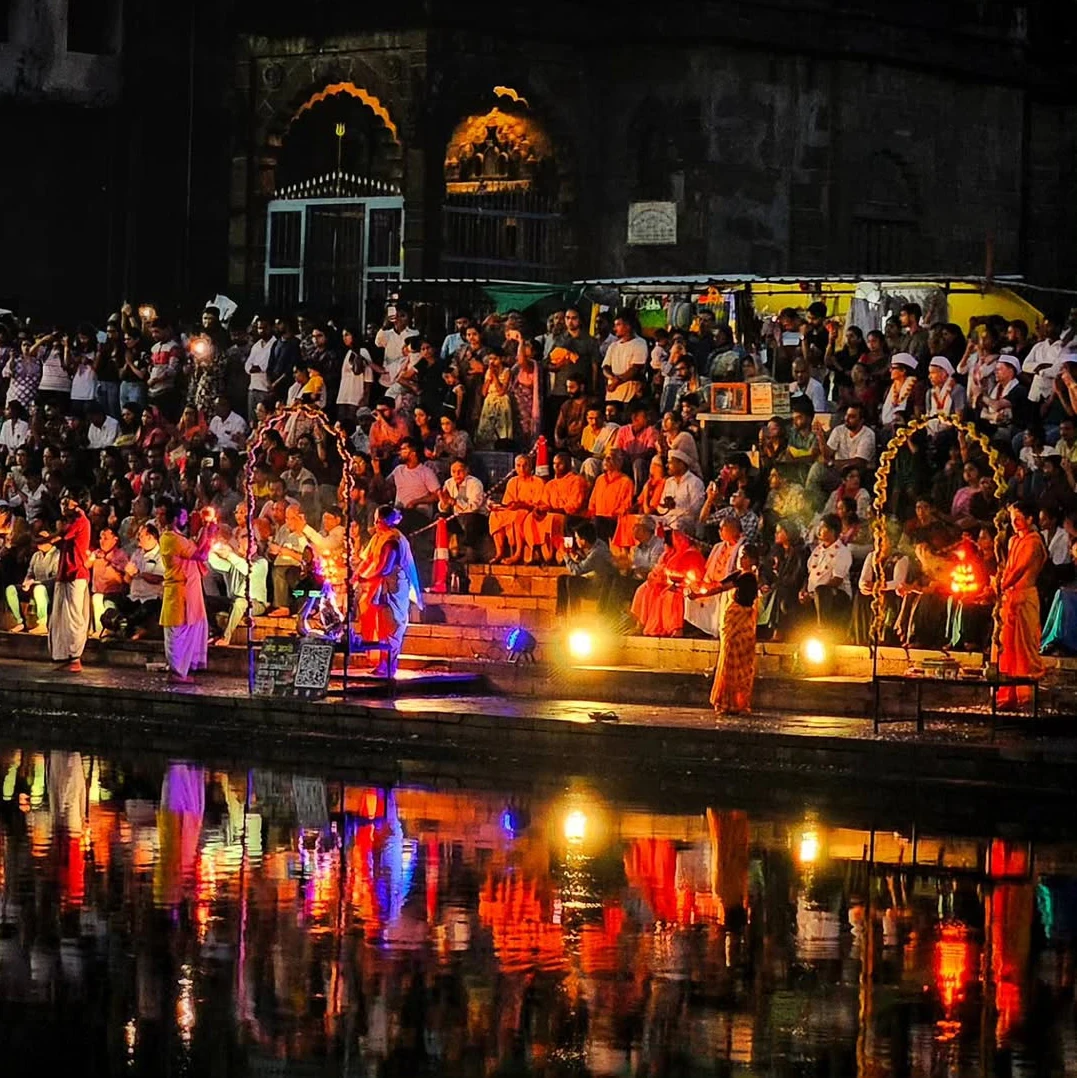
The Kumbh is not confined to temples or rituals. It unfolds throughout the city. Ancient hymns echo from temple courtyards. Spiritual discourses inspire thousands of listeners. Monks and scholars discuss philosophy beneath temporary camps. Volunteers serve meals with humility, while devotees spend hours in prayer and meditation.
Every street becomes a reminder that spirituality is not simply practiced—it is lived. Visitors often leave with a deeper understanding of India's cultural and philosophical traditions than they ever expected.
The Grandeur of the Shahi Snan
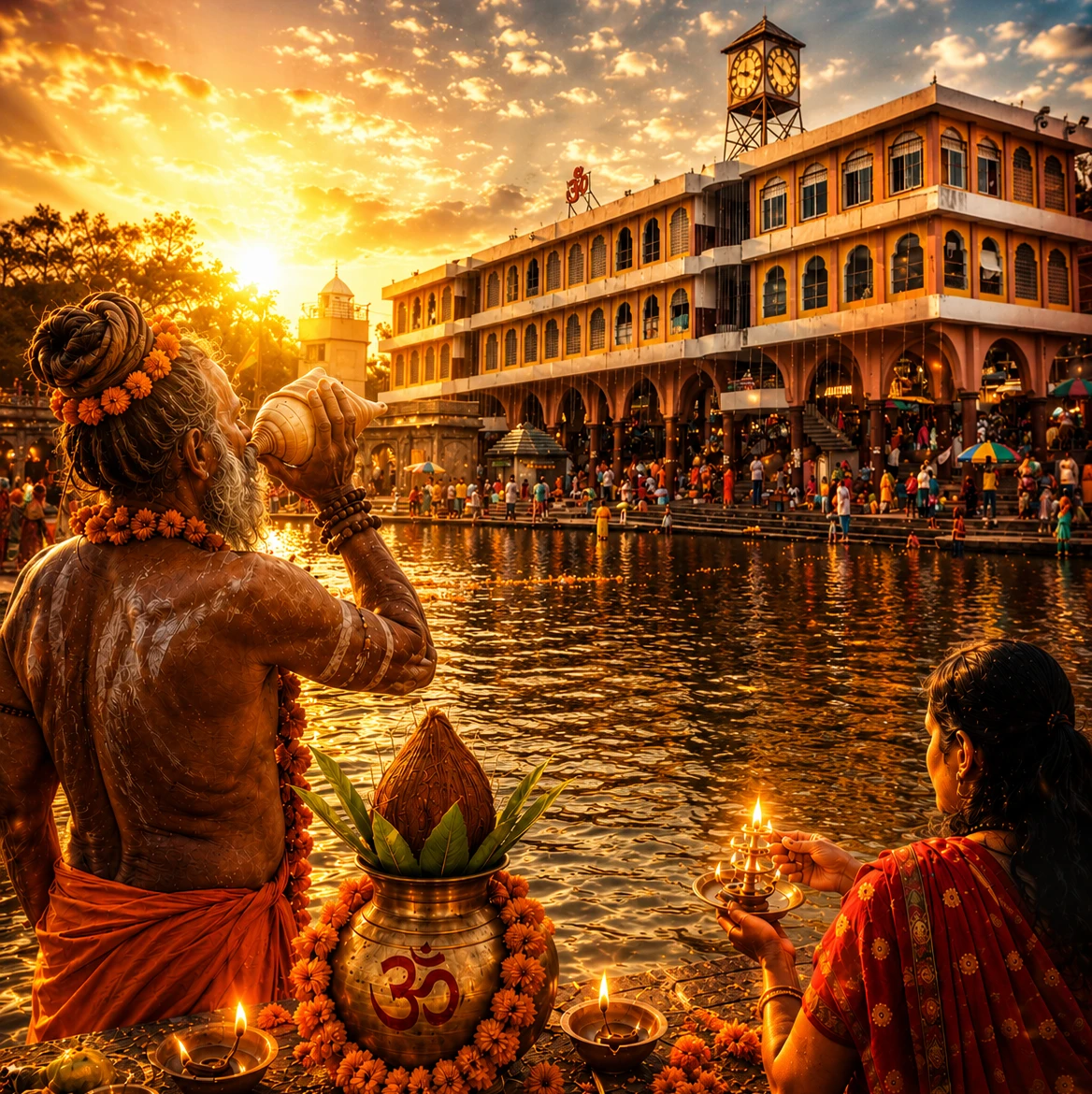
One of the greatest attractions of the Nashik Kumbh is the magnificent Shahi Snan, the Royal Bath. As dawn breaks, the grand procession of Akharas begins. Saffron flags flutter in the wind, conch shells resonate across the ghats, and the revered Naga Sadhus lead the ceremonial march towards the sacred river.
For photographers, historians, pilgrims, and travellers alike, witnessing this extraordinary procession becomes one of the defining memories of the entire festival. It is a moment where centuries of tradition come alive before your eyes.
More Than a Pilgrimage
Although the Kumbh is rooted in spirituality, its appeal reaches far beyond religion. Historians come to study ancient traditions. Photographers arrive to capture extraordinary human stories. Researchers explore India's cultural heritage. Travellers seek experiences that cannot be found anywhere else in the world.
Artists, writers, filmmakers, and storytellers discover inspiration in every corner of the festival. Each visitor finds something different, yet everyone leaves with memories that remain long after the pilgrimage ends.
A Journey That Changes Perspective
Perhaps the greatest reason millions are drawn to Nashik Kumbh cannot be measured in numbers. It is the feeling of standing among millions of strangers who are united by a shared purpose. It is watching the sunrise over the Godavari while thousands offer silent prayers. It is listening to chants that have echoed through generations. It is witnessing humility, service, compassion, and devotion on a scale rarely seen elsewhere. These are moments that quietly change the way people see faith, culture, and humanity.
Nashik Kumbh 2027 Awaits
As Simhastha Kumbh 2027 approaches, Nashik is once again preparing to welcome the world. Pilgrims will arrive seeking blessings. Travellers will come searching for unforgettable experiences. Photographers will capture timeless moments. Historians will witness living traditions And millions of people, each with their own story, will become part of a celebration that has inspired generations for centuries.
Perhaps that is the greatest reason people continue to return to the Kumbh. Because some places are visited once. But experiences like Nashik Kumbh stay with you forever, calling you back—not just to a destination, but to a feeling that words can never fully describe.