

Who Are the Naga Sadhus? Exploring Their Life, Traditions & Spiritual Legacy
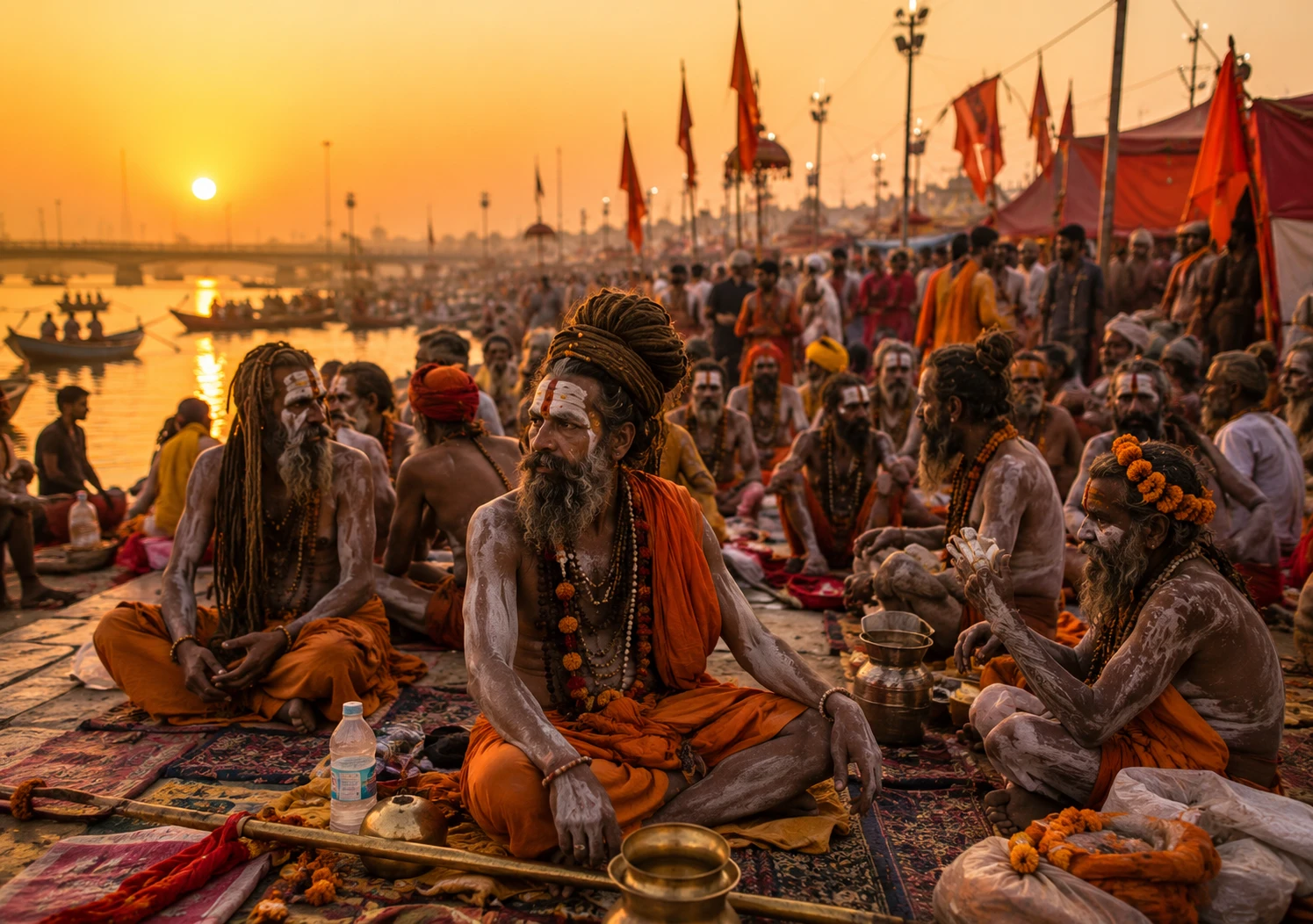
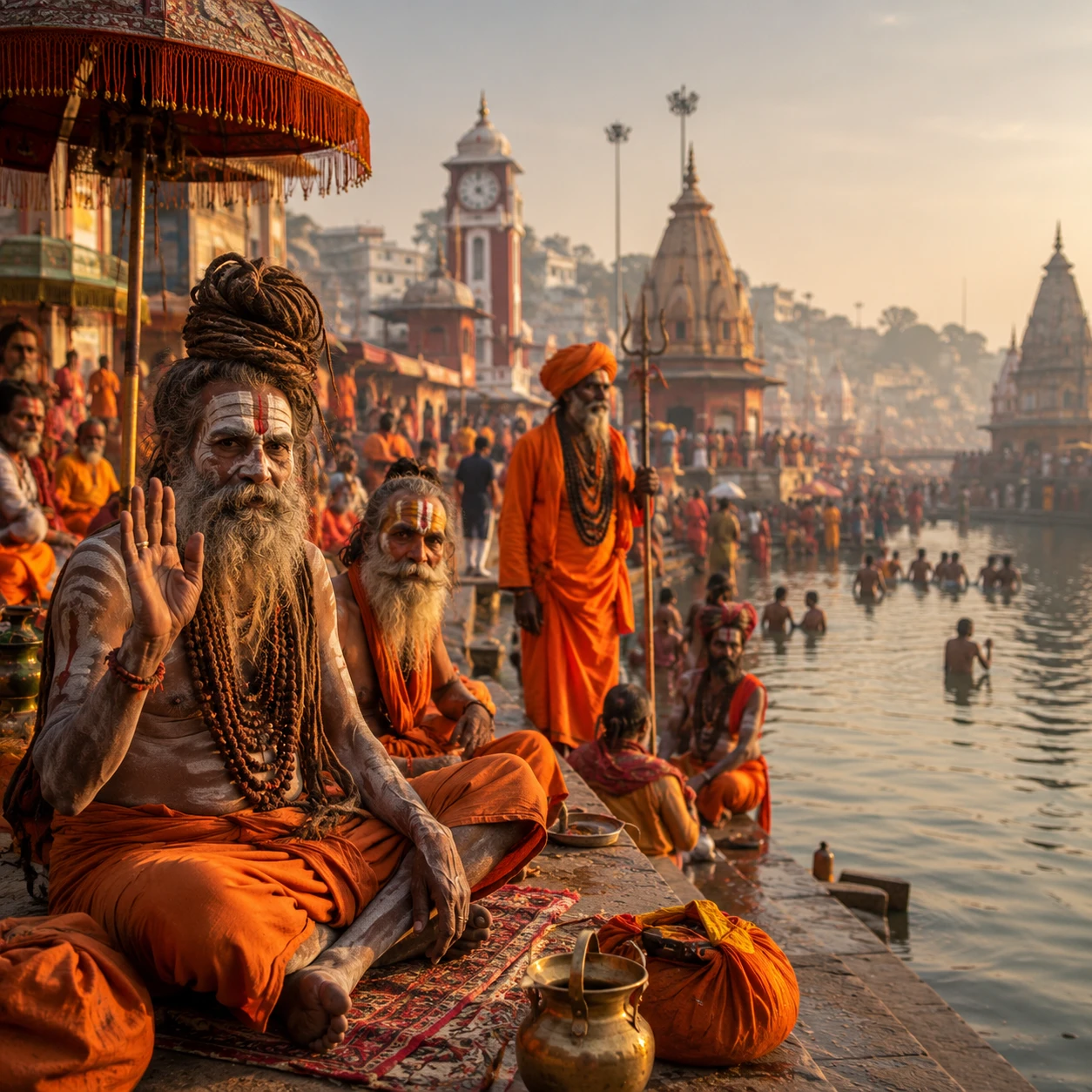
Among the many remarkable sights of the Kumbh Mela, none captures the imagination quite like the Naga Sadhus. With ash-covered bodies, long matted hair, rudraksha malas around their necks, and an unwavering gaze that reflects years of spiritual discipline, they are often the first images associated with the Kumbh Mela. For many visitors, they appear mysterious, while for devotees, they are deeply revered ascetics who have renounced worldly life in pursuit of spiritual liberation.
Yet, behind their striking appearance lies a story that is far richer than popular imagination. The Naga Sadhus are not performers or symbols created for festivals. They belong to one of India's oldest monastic traditions, dedicating their lives to meditation, discipline, and the preservation of Sanatan Dharma. Their presence at the Kumbh Mela represents centuries of spiritual heritage that continues to inspire millions.
A Journey of Complete Renunciation
Becoming a Naga Sadhu is not a decision made overnight. It is a lifelong commitment that requires complete detachment from worldly desires, material possessions, and personal identity. Those who choose this path undergo years of rigorous training under the guidance of their spiritual guru. During this period, they embrace a life of simplicity, discipline, meditation, and self-control.
Many leave behind their families, careers, and social identities, devoting themselves entirely to spiritual practice. For a Naga Sadhu, the greatest achievement is not worldly success but inner freedom.
Why Do Naga Sadhus Cover Themselves with Ash?
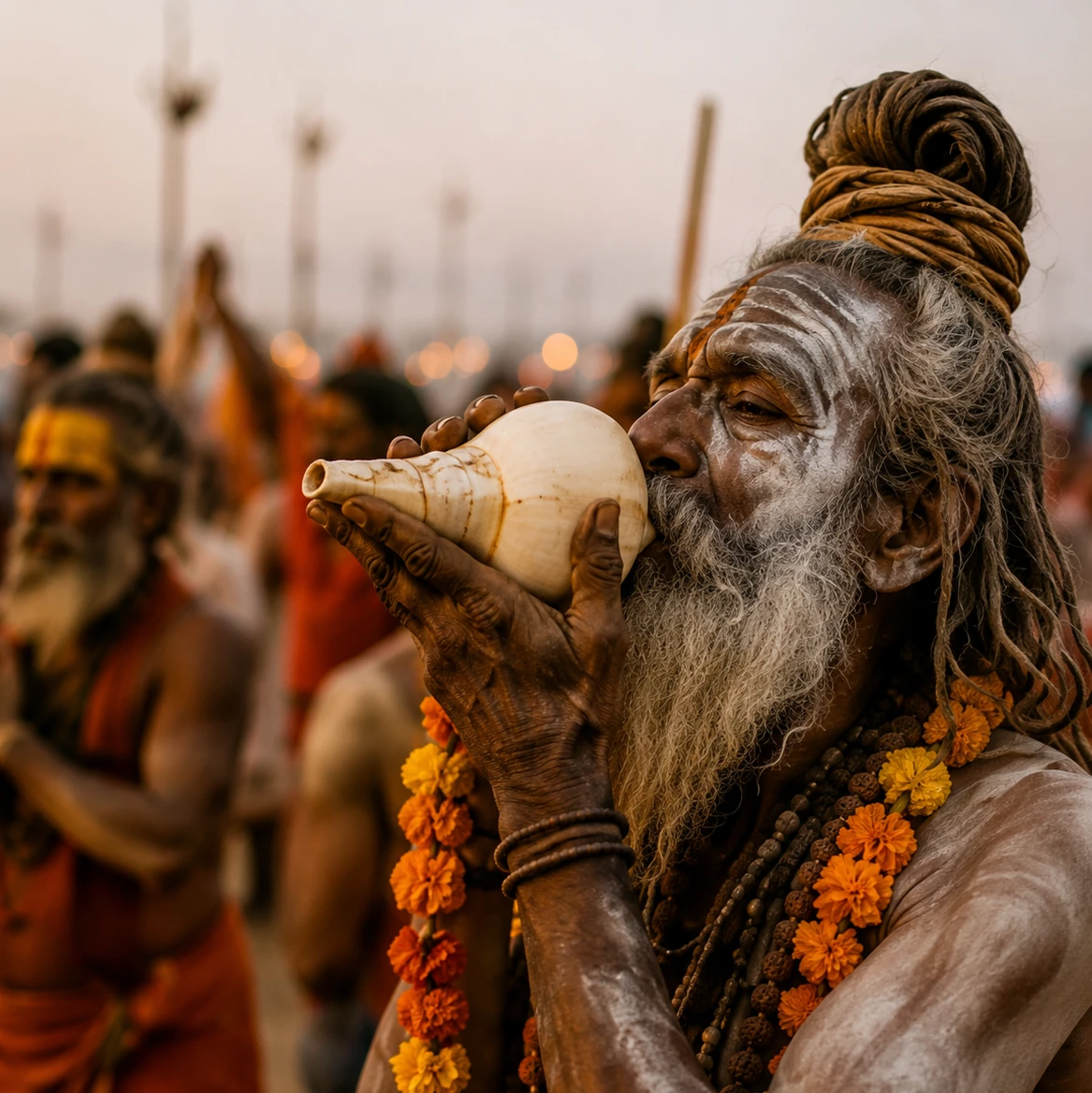
One of the most distinctive characteristics of the Naga Sadhus is the sacred ash, or Bhasma, that covers their bodies. This ash carries deep spiritual symbolism. It serves as a reminder that everything material is temporary and that the human body ultimately returns to the earth.
By applying Bhasma, Naga Sadhus express detachment from physical appearance and worldly attachments, focusing instead on the eternal nature of the soul. Far from being a ritual of appearance, it is a daily reminder of life's impermanence.
The Meaning Behind Their Appearance
To those unfamiliar with their traditions, the appearance of the Naga Sadhus may seem unusual. Their long, matted hair symbolizes years of ascetic discipline and devotion. Rudraksha beads represent their connection to Lord Shiva, while the trident, damru, and other sacred symbols reflect the spiritual lineage they follow.
Many Naga Sadhus choose to wear little or no clothing, symbolizing complete freedom from material possessions and social identity. It is a powerful expression of their belief that true liberation comes only when one transcends worldly attachments. Every aspect of their appearance reflects a deeper spiritual philosophy rather than outward symbolism.
Guardians of an Ancient Tradition
The history of the Naga Sadhus is closely linked with the Akharas, the ancient monastic institutions that preserve India's spiritual traditions. Historically, these ascetics were not only seekers of enlightenment but also protectors of sacred temples, pilgrimage routes, and religious institutions during times of conflict. Their rigorous physical training complemented their spiritual discipline, earning them respect as both warriors and monks.
Today, while their role has evolved, they continue to preserve centuries-old traditions, guiding disciples and participating in important religious ceremonies throughout the Kumbh Mela.
The Grand Arrival at the Kumbh Mela
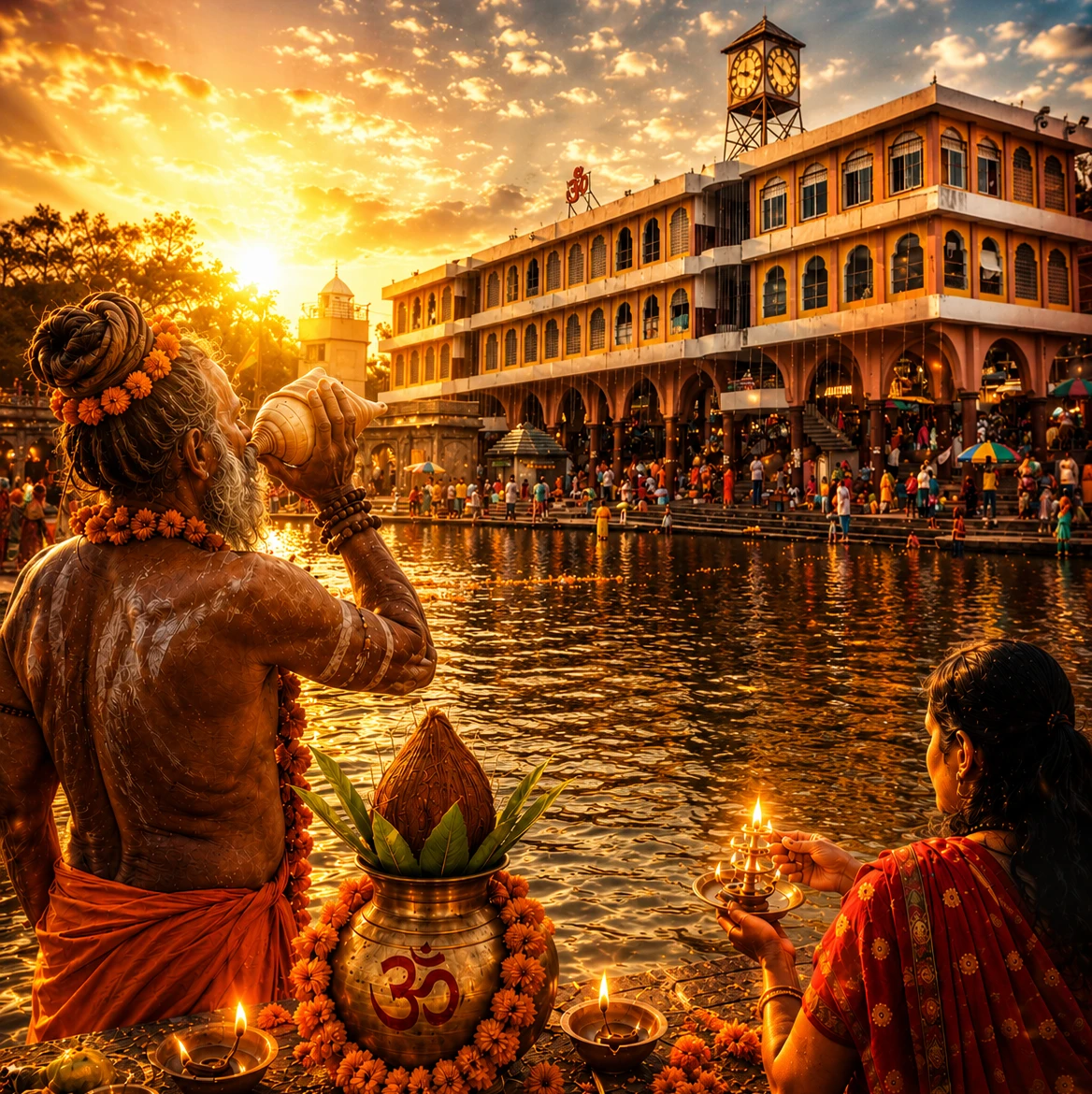
One of the most anticipated moments of every Kumbh Mela is the arrival of the Naga Sadhus during the Shahi Snan, or Royal Bath. As dawn approaches, the atmosphere becomes charged with devotion. The sound of conch shells, drums, and Vedic chants fills the air as processions led by the Akharas make their way toward the sacred river.
Leading these magnificent processions are the Naga Sadhus, walking with remarkable confidence and spiritual dignity. Their arrival is greeted with reverence by thousands of devotees, marking one of the most sacred moments of the entire festival. For many visitors, witnessing this procession becomes the defining memory of their Kumbh pilgrimage.
A Life Beyond the Kumbh
Although they become widely visible during the Kumbh Mela, the lives of Naga Sadhus extend far beyond the festival. Most spend their years in remote mountains, forests, caves, temples, and monasteries, dedicating themselves to meditation, yoga, scriptural study, and spiritual practice. They live with minimal possessions and follow disciplines that demand extraordinary patience, resilience, and self-control.
Many remain away from public life for years, emerging only during significant religious gatherings. Their quiet existence reflects a spiritual path centered on contemplation rather than recognition.
Understanding the Philosophy Behind Their Life
The lives of the Naga Sadhus challenge many modern ideas about success and fulfillment. While contemporary society often values material achievement, comfort, and recognition, the Naga Sadhus choose a path of simplicity, discipline, and renunciation. Their lives encourage reflection on deeper questions about purpose, attachment, and inner peace.
Whether one follows their way of life or not, their commitment to spiritual discipline continues to inspire respect across cultures and generations.
Witness Their Legacy at Nashik Kumbh 2027
As Simhastha Kumbh 2027 approaches, the Naga Sadhus will once again gather in Nashik and Trimbakeshwar, continuing a tradition that has endured for centuries. For pilgrims, photographers, historians, and curious travellers, witnessing their presence offers a rare opportunity to experience one of India's most remarkable spiritual traditions firsthand. More than their distinctive appearance, it is their unwavering dedication to faith, discipline, and renunciation that leaves a lasting impression.
The Naga Sadhus remind us that the Kumbh Mela is not only about rituals or celebrations—it is about preserving a spiritual legacy that has continued to guide seekers for generations. In a rapidly changing world, they stand as timeless symbols of devotion, sacrifice, and the enduring quest for enlightenment.